OBGYN

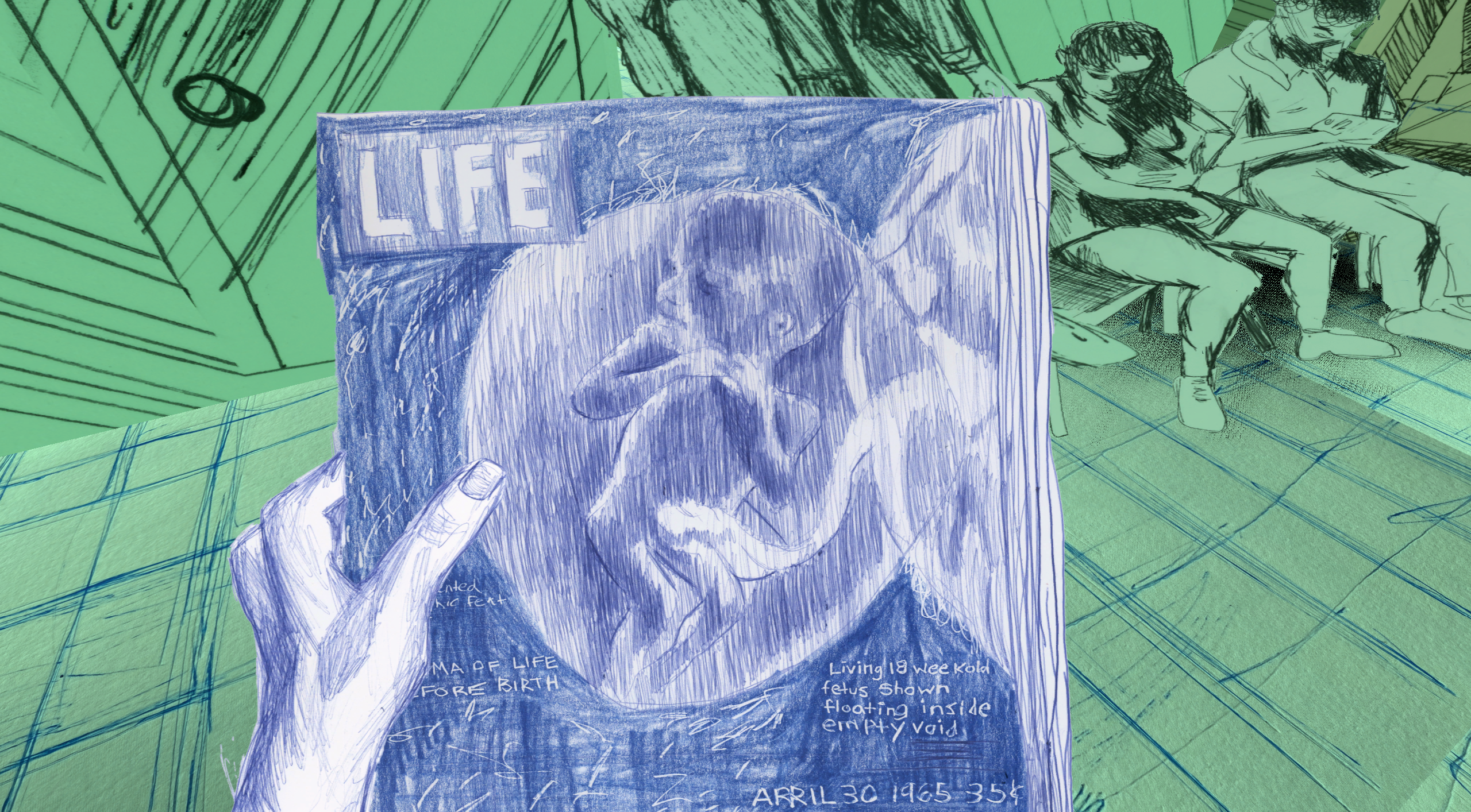
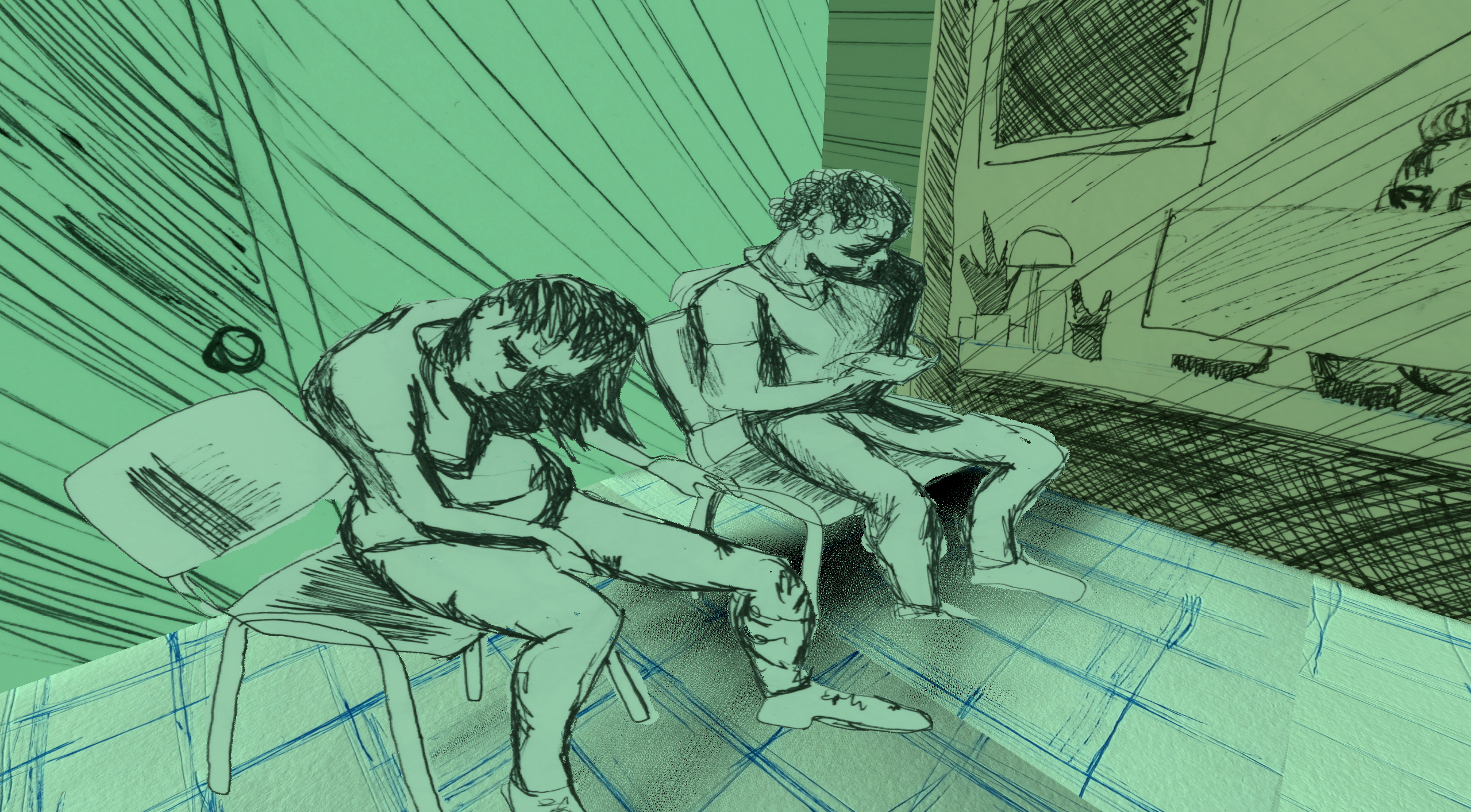
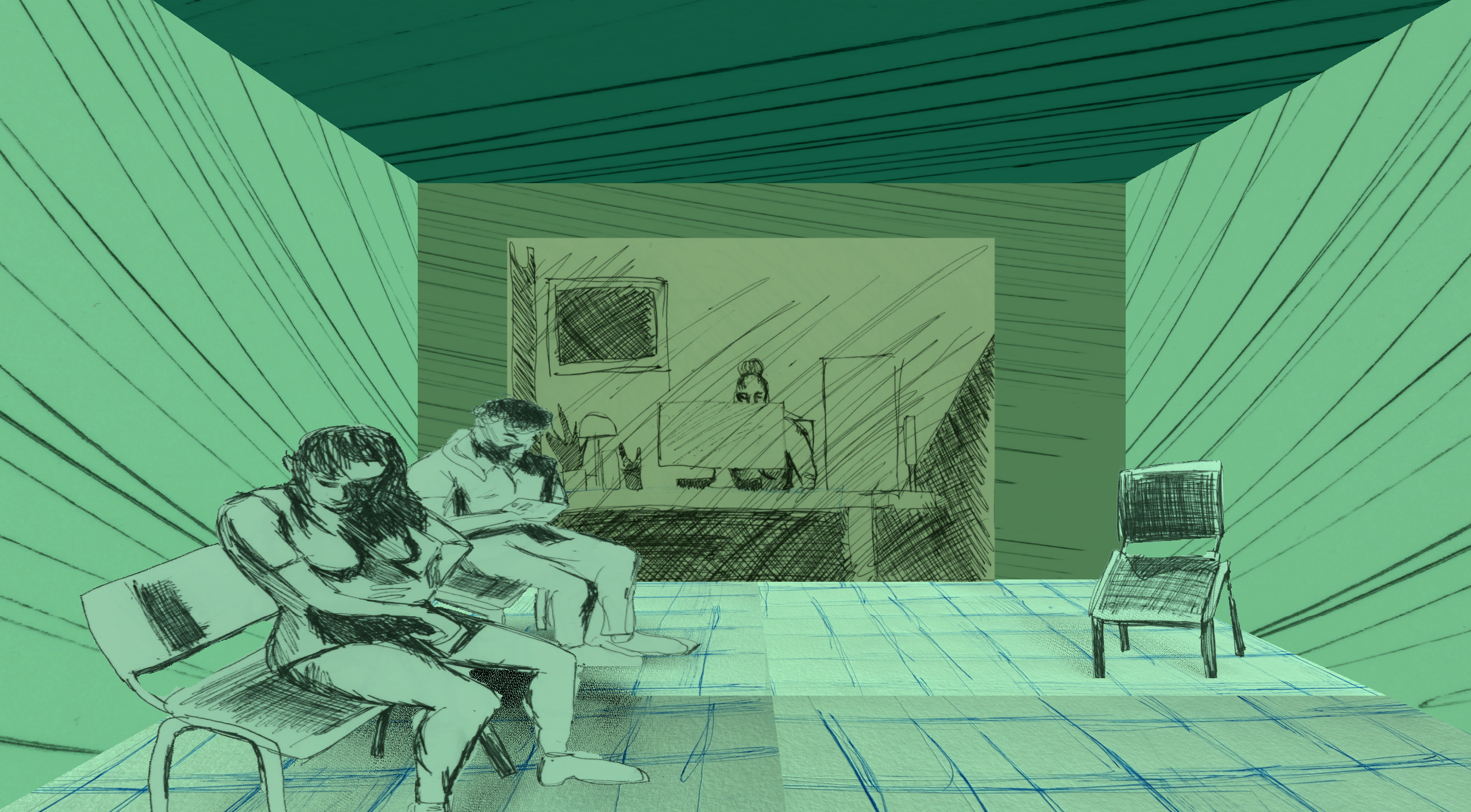
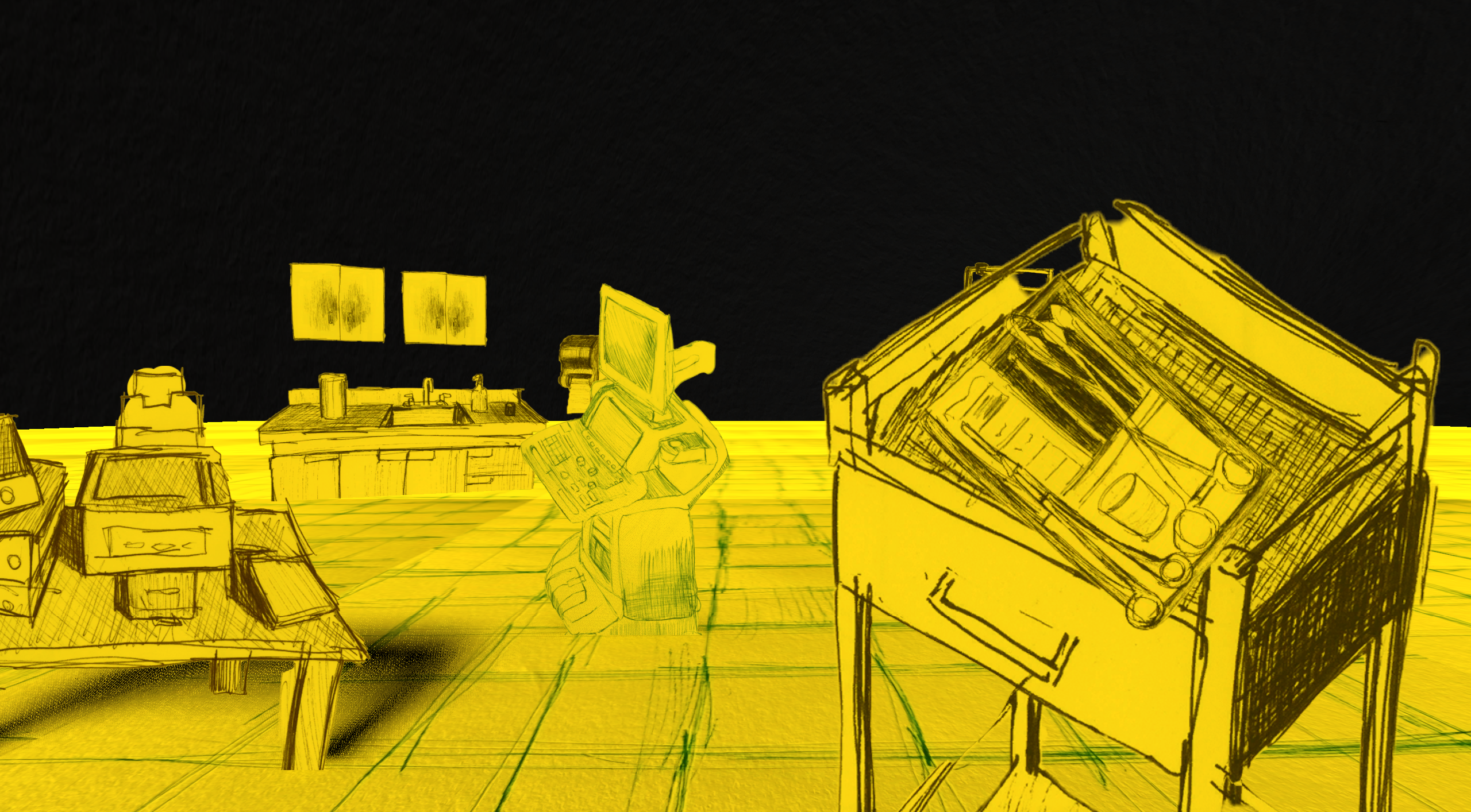
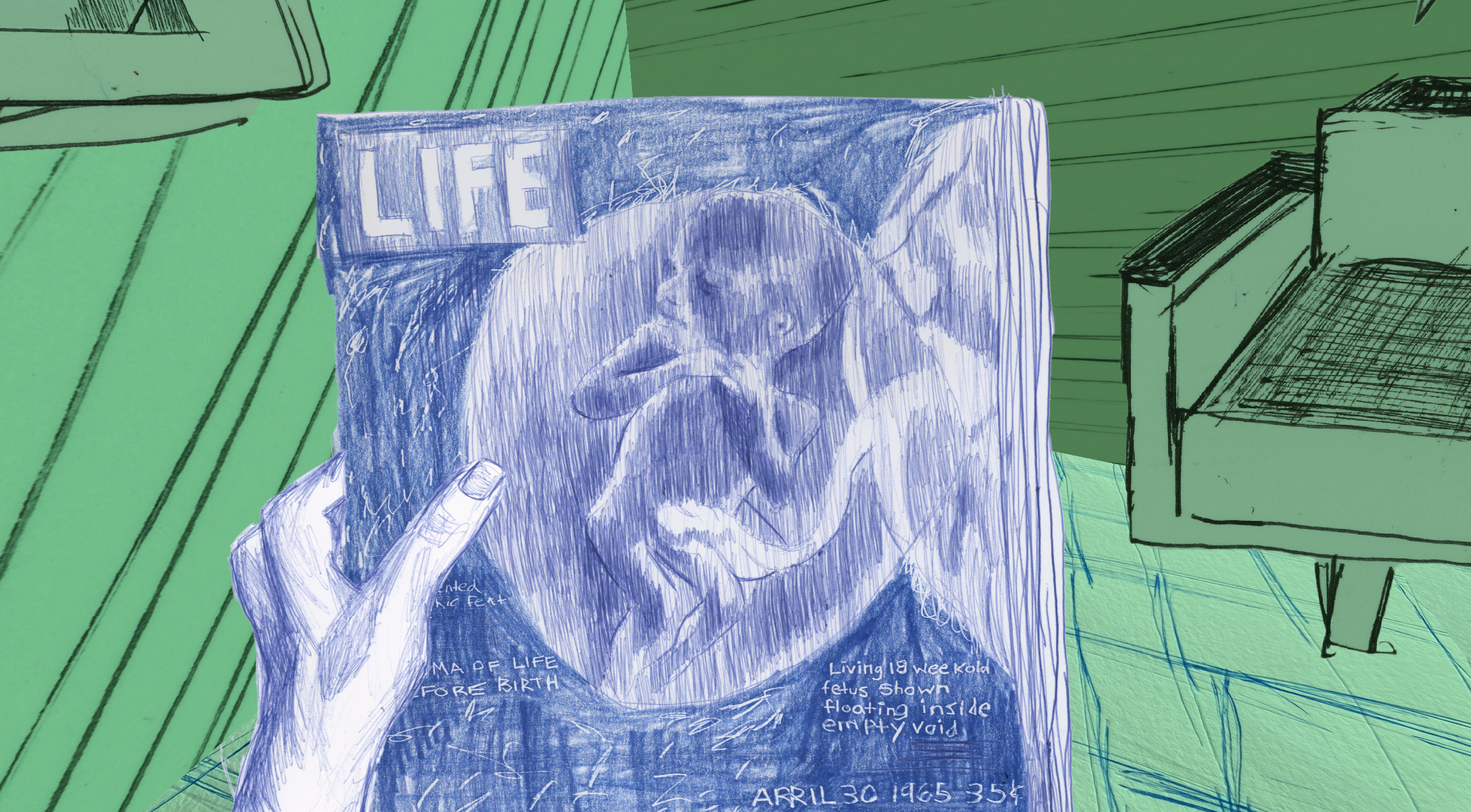
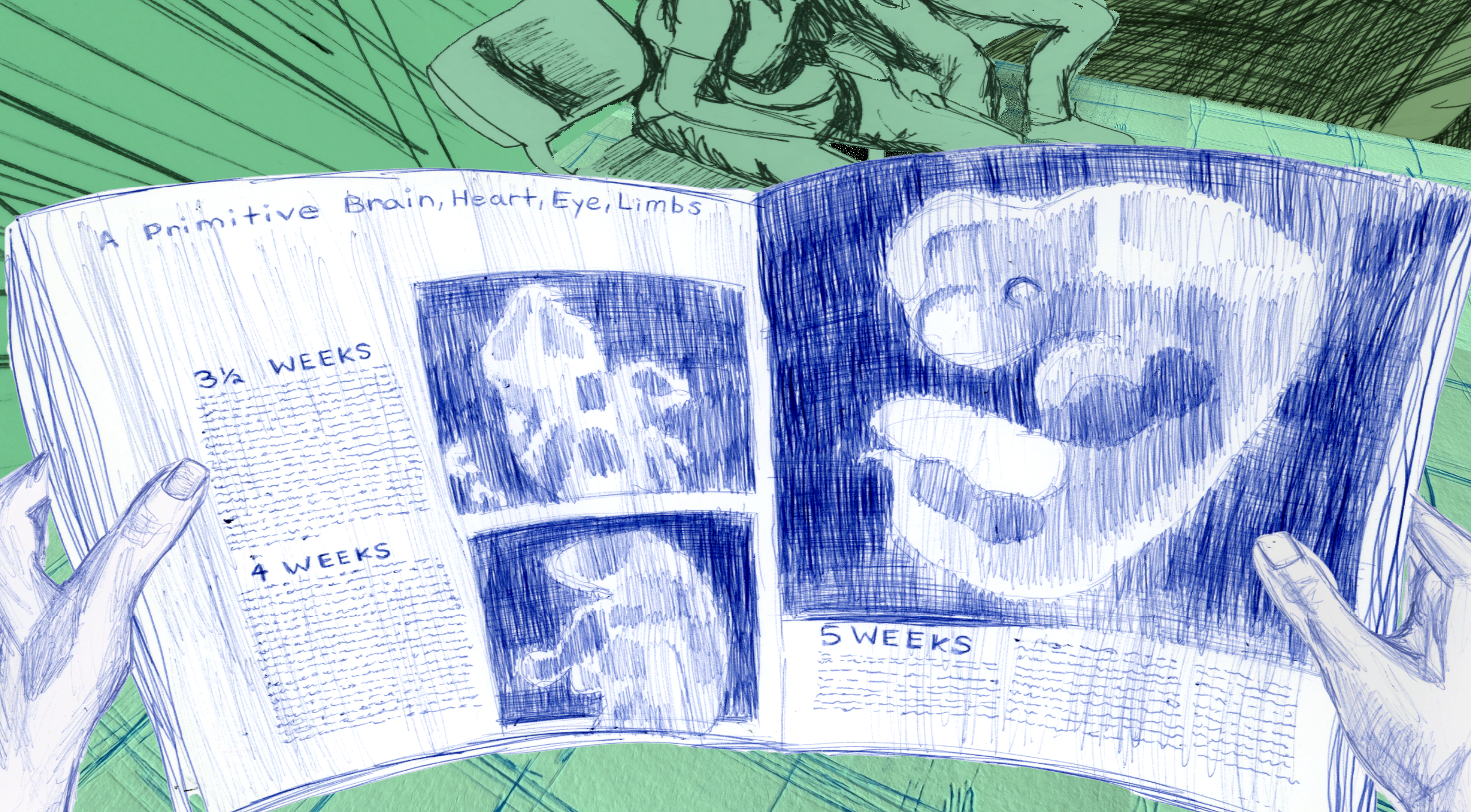
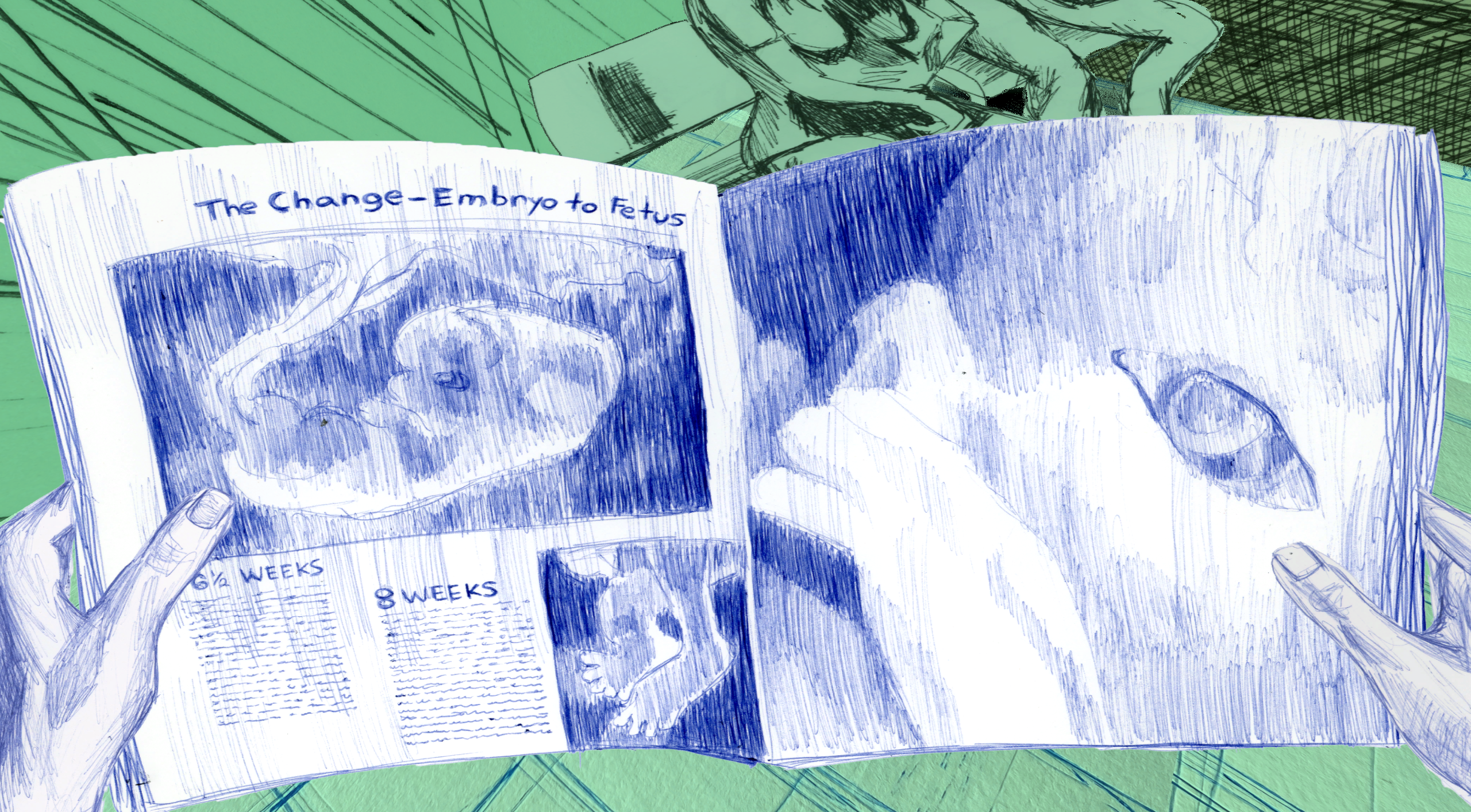
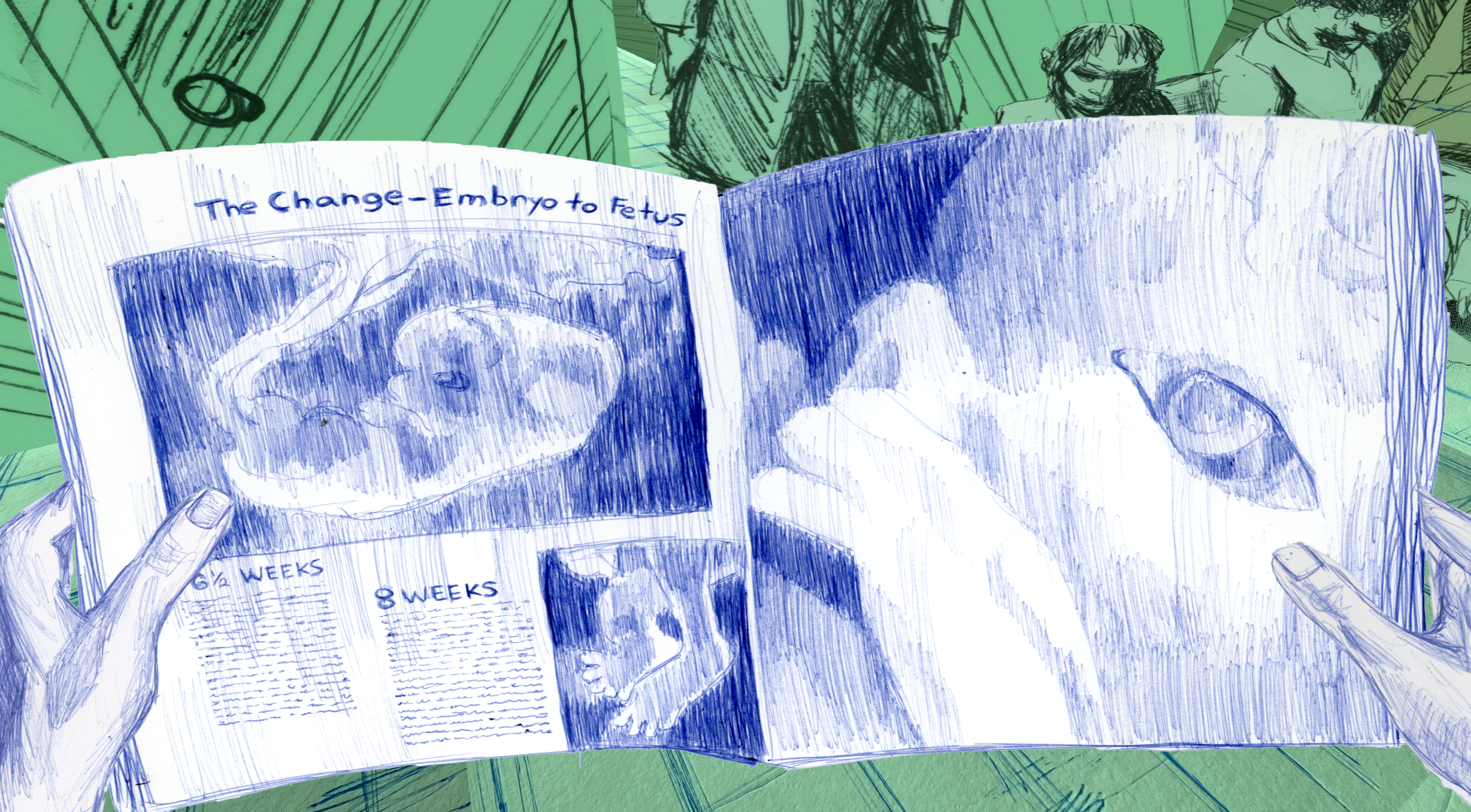
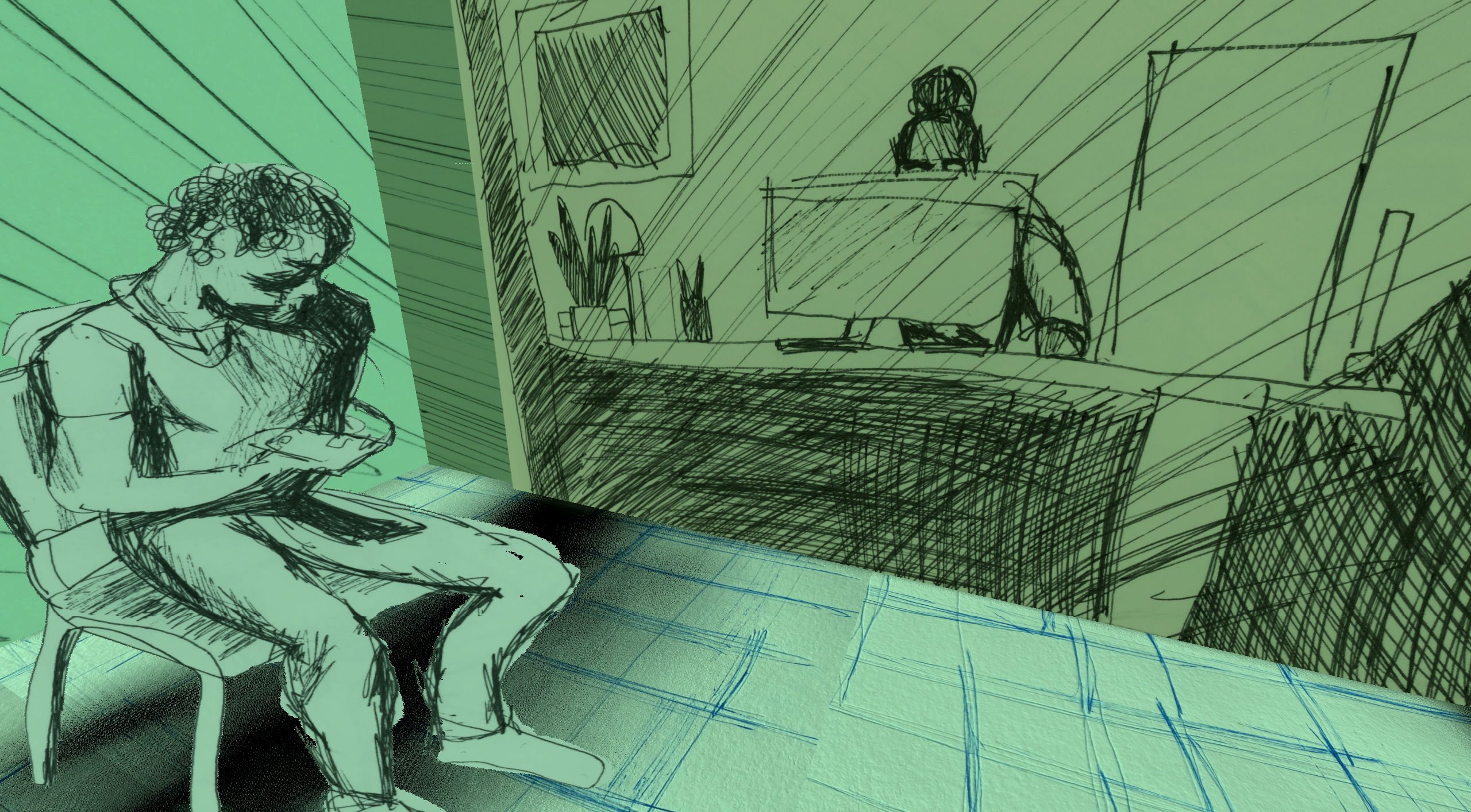
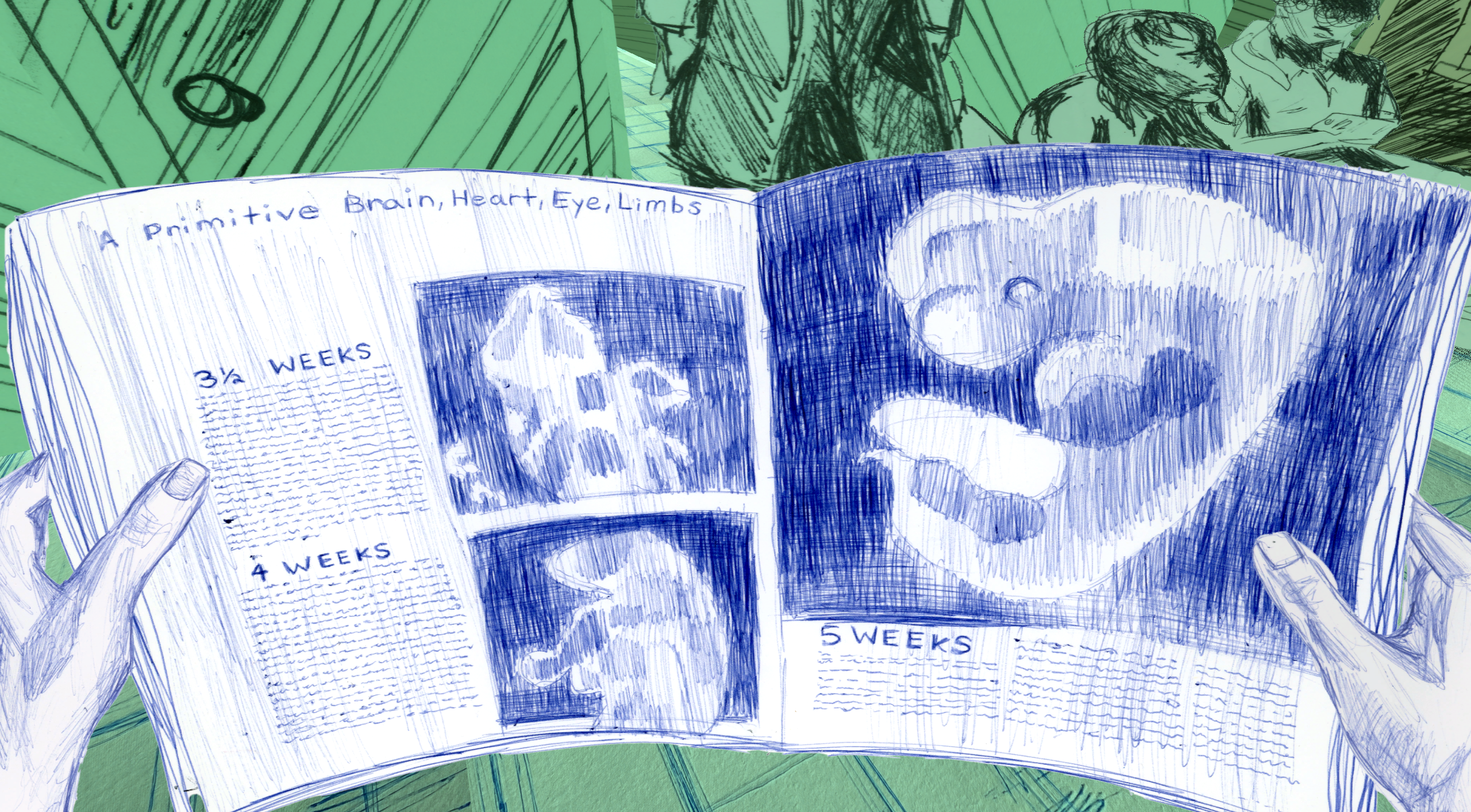
You linger in a clinic waiting room as the receptionist stares at you. Beside you, a pregnant  woman fidgets while a man sinks into his phone. Nervous, you pick up a magazine and find  Lennart Nilsson’s A Child Is Born: an embryo floating in a blank void, detached from the carrying  body.  

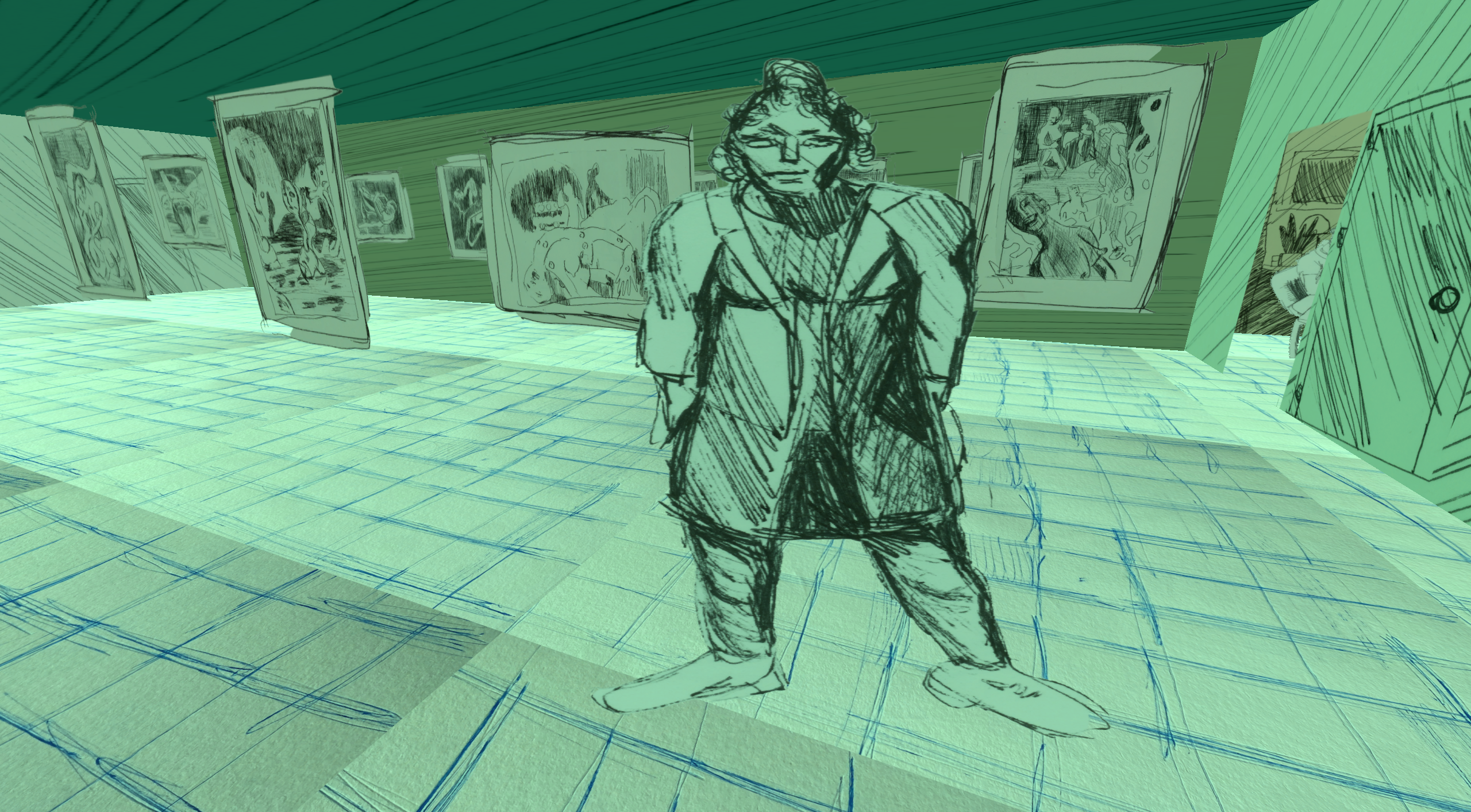
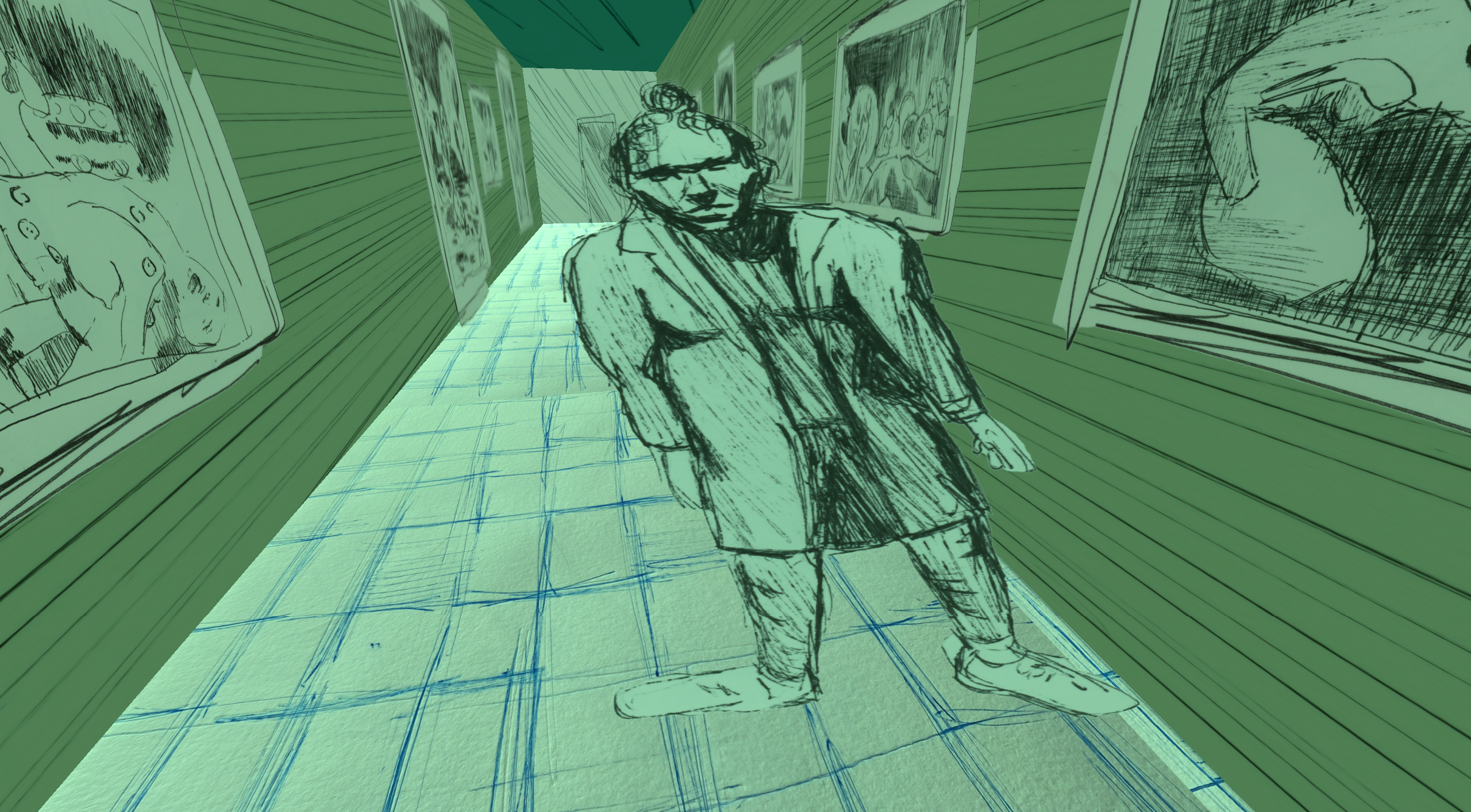
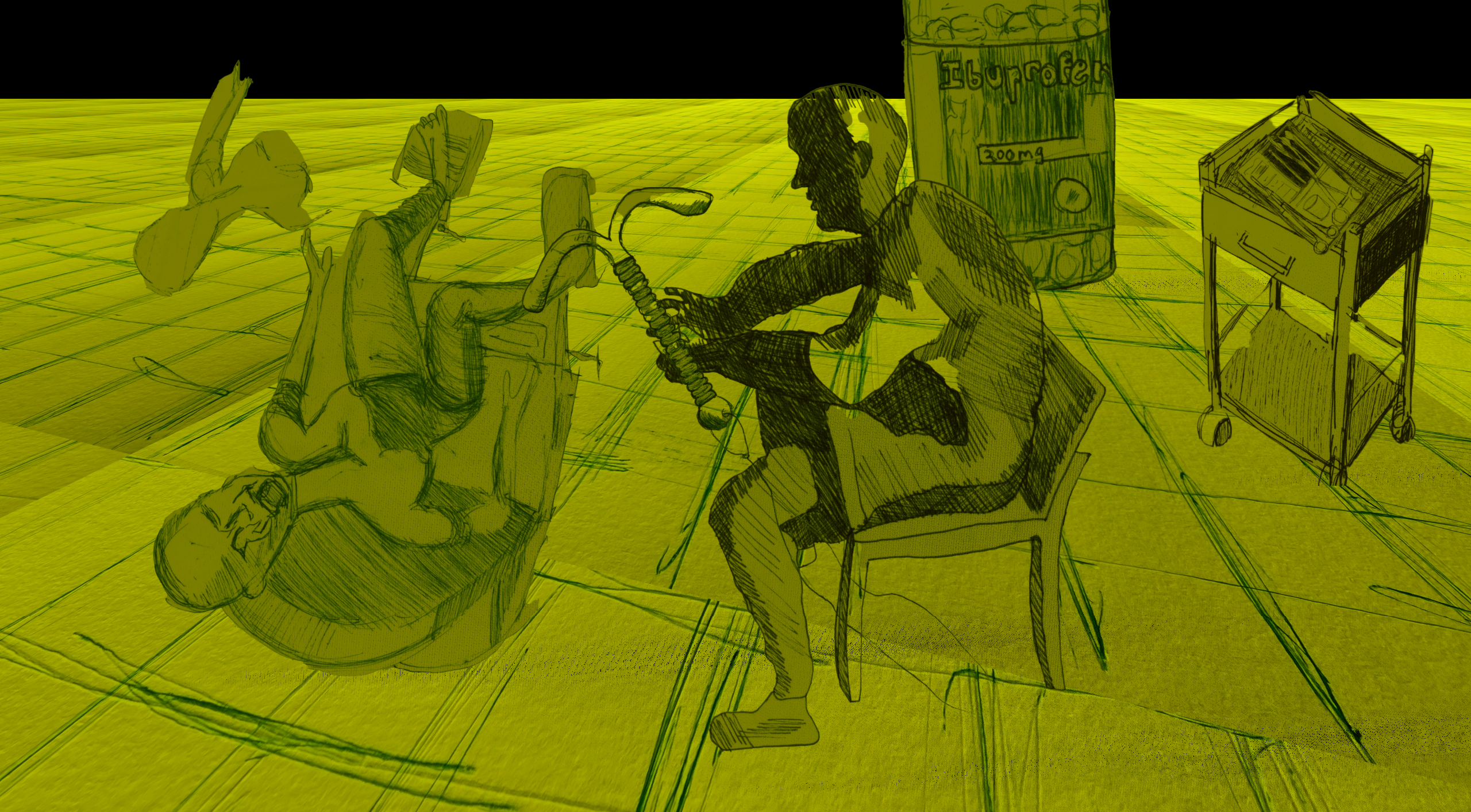
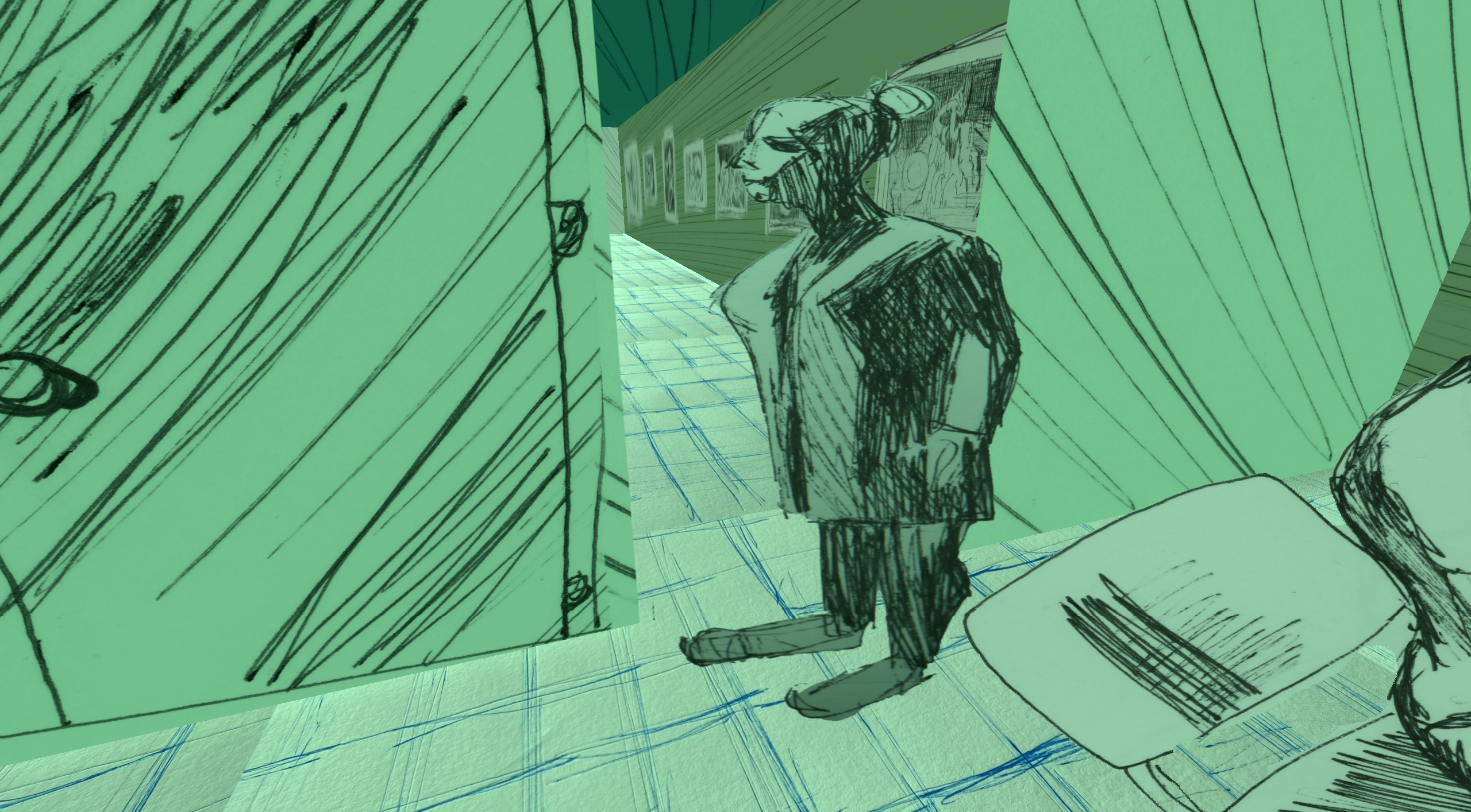
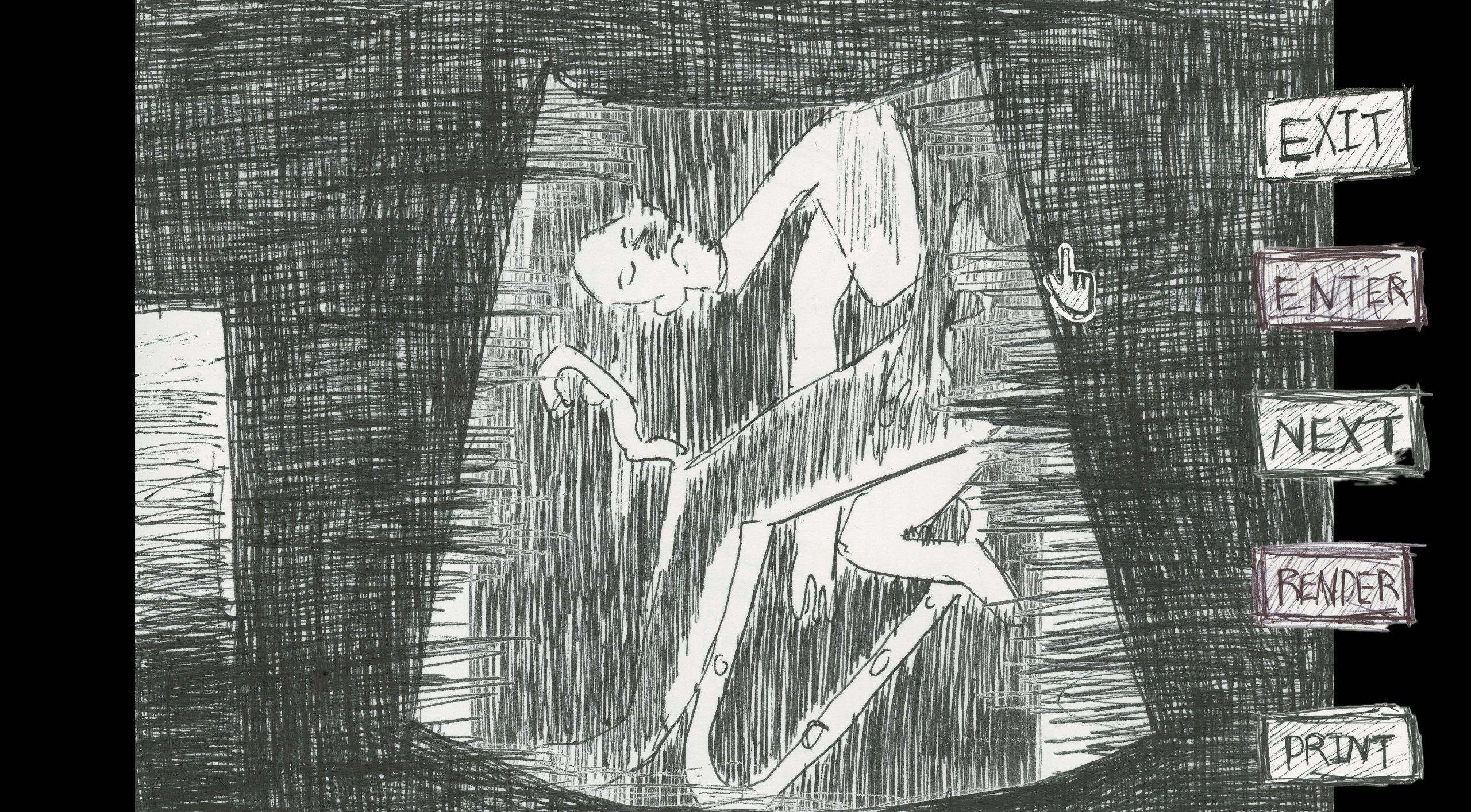
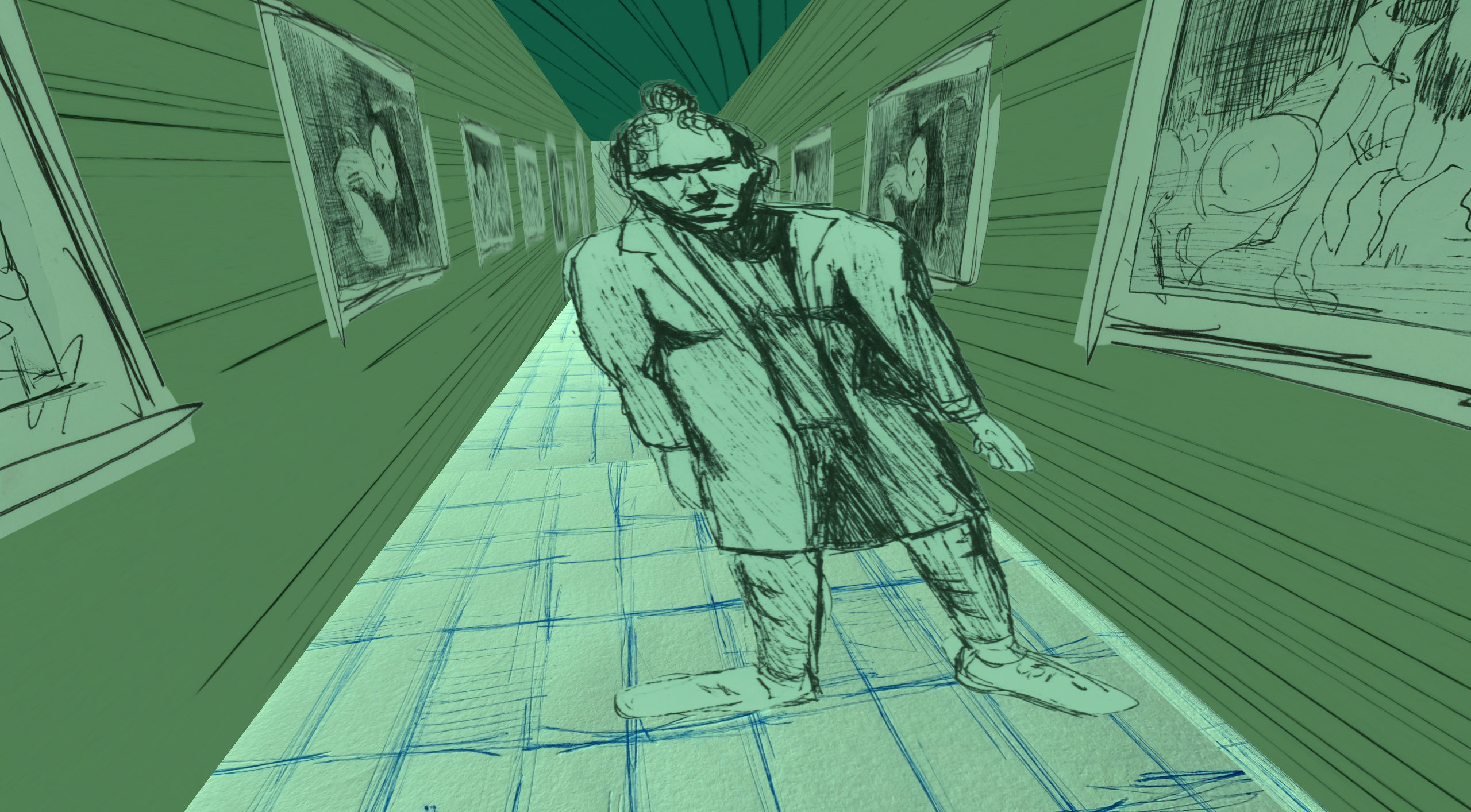
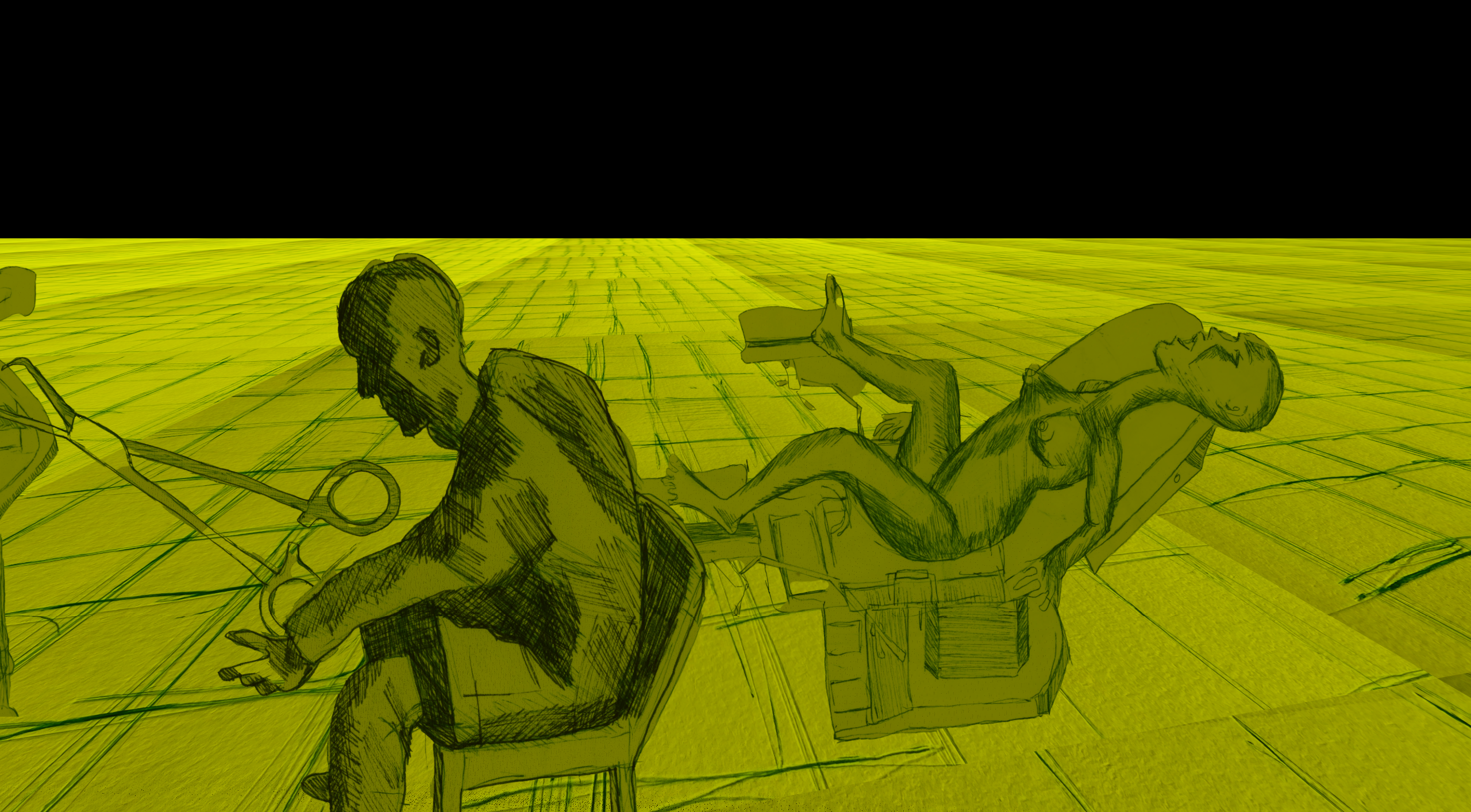
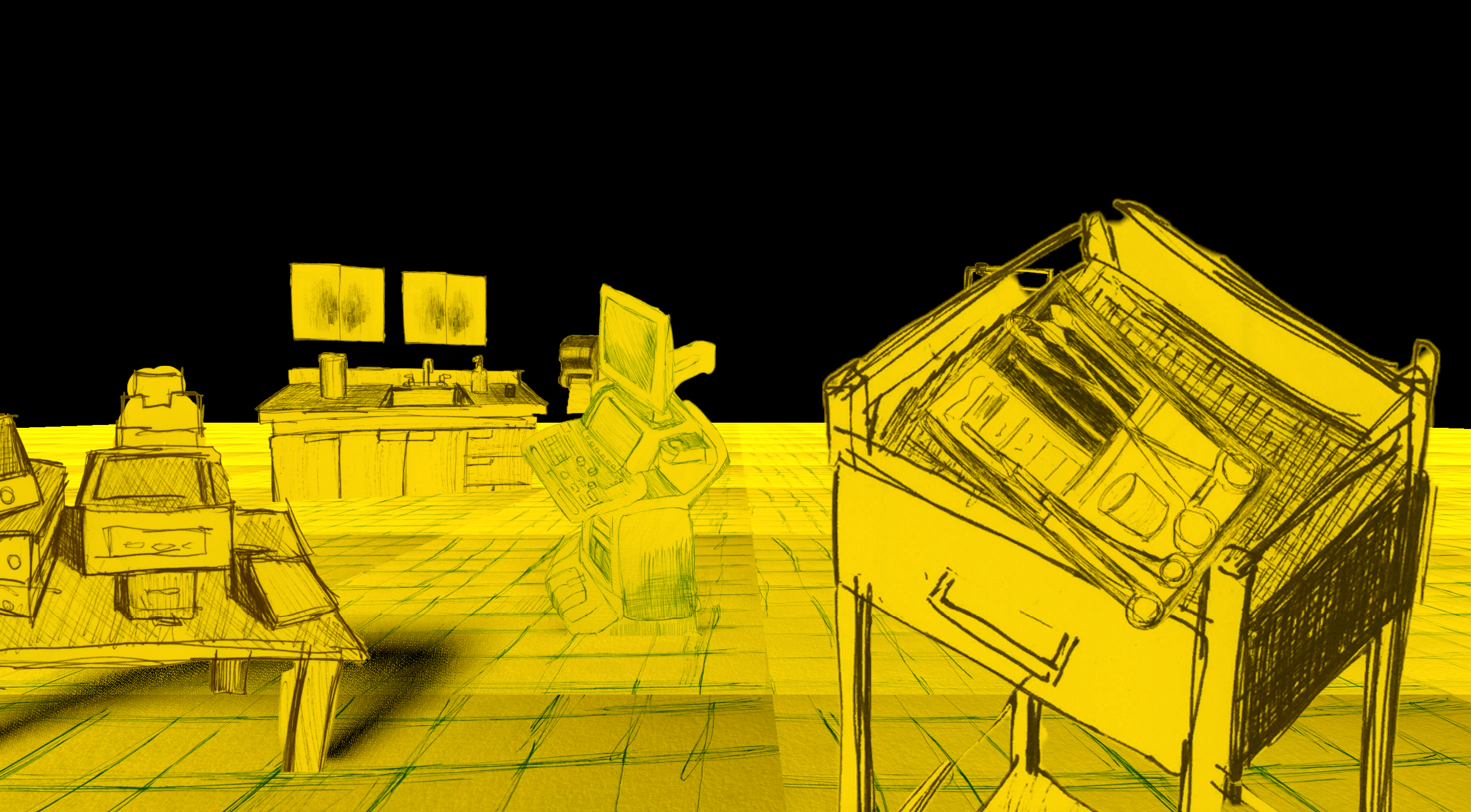
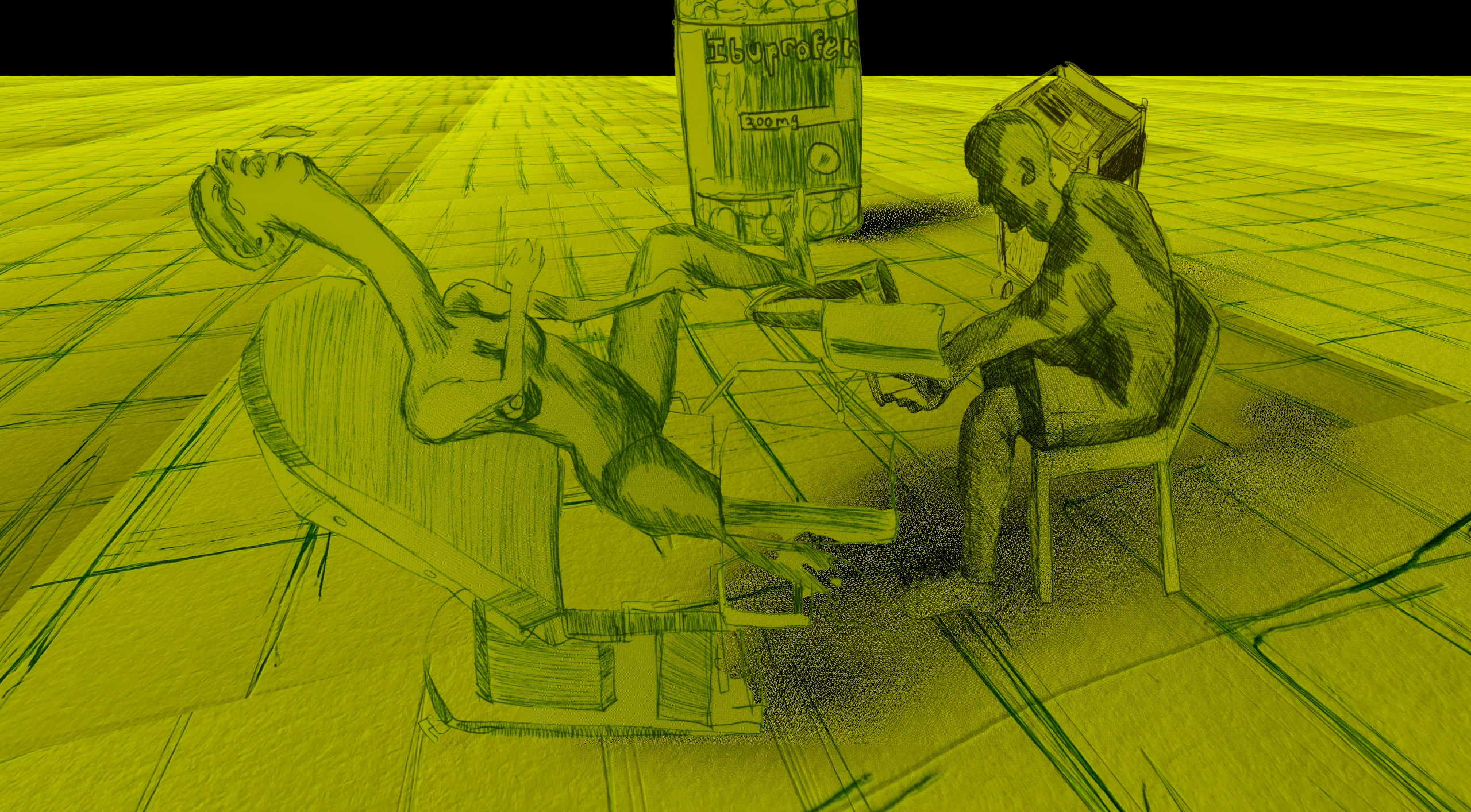
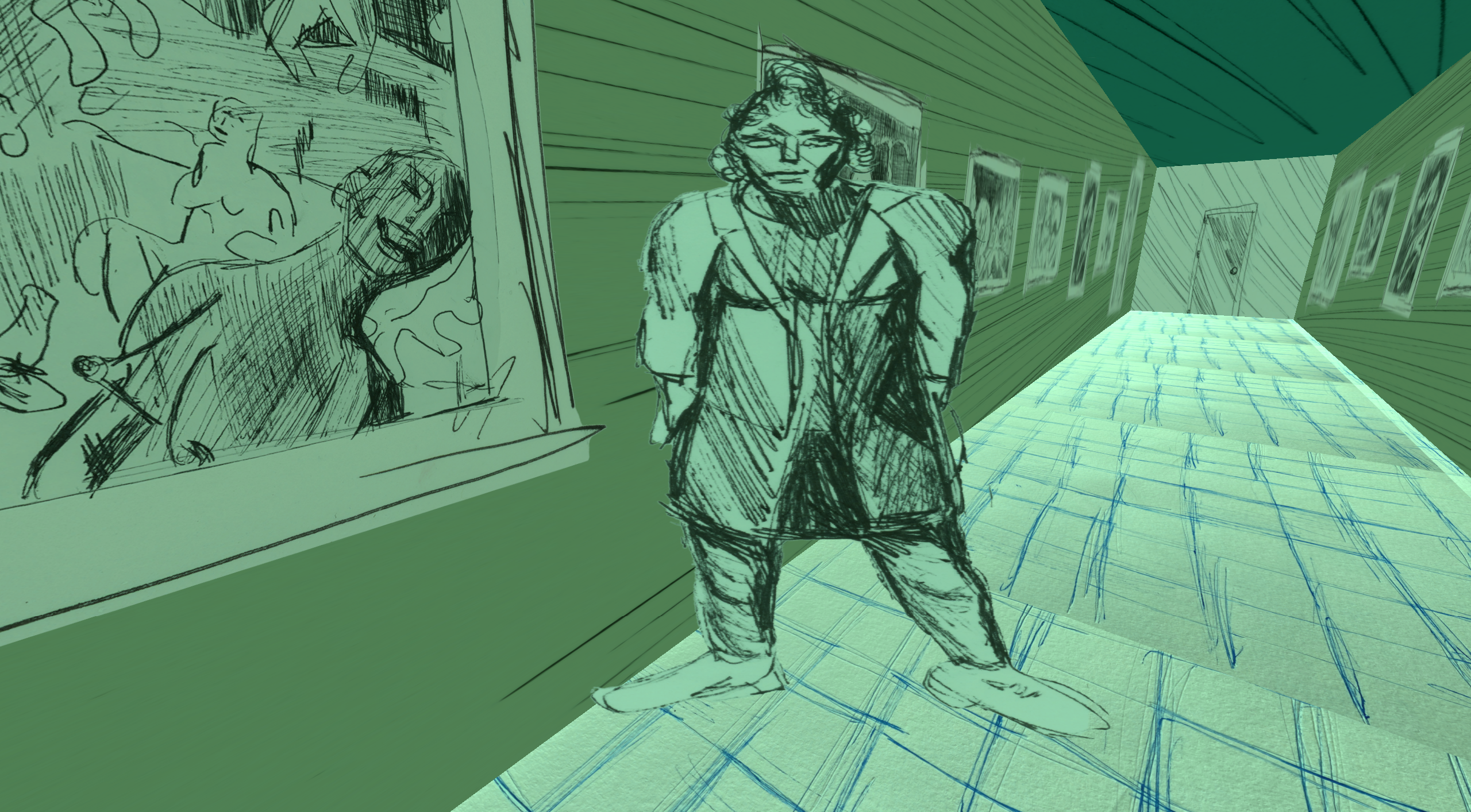
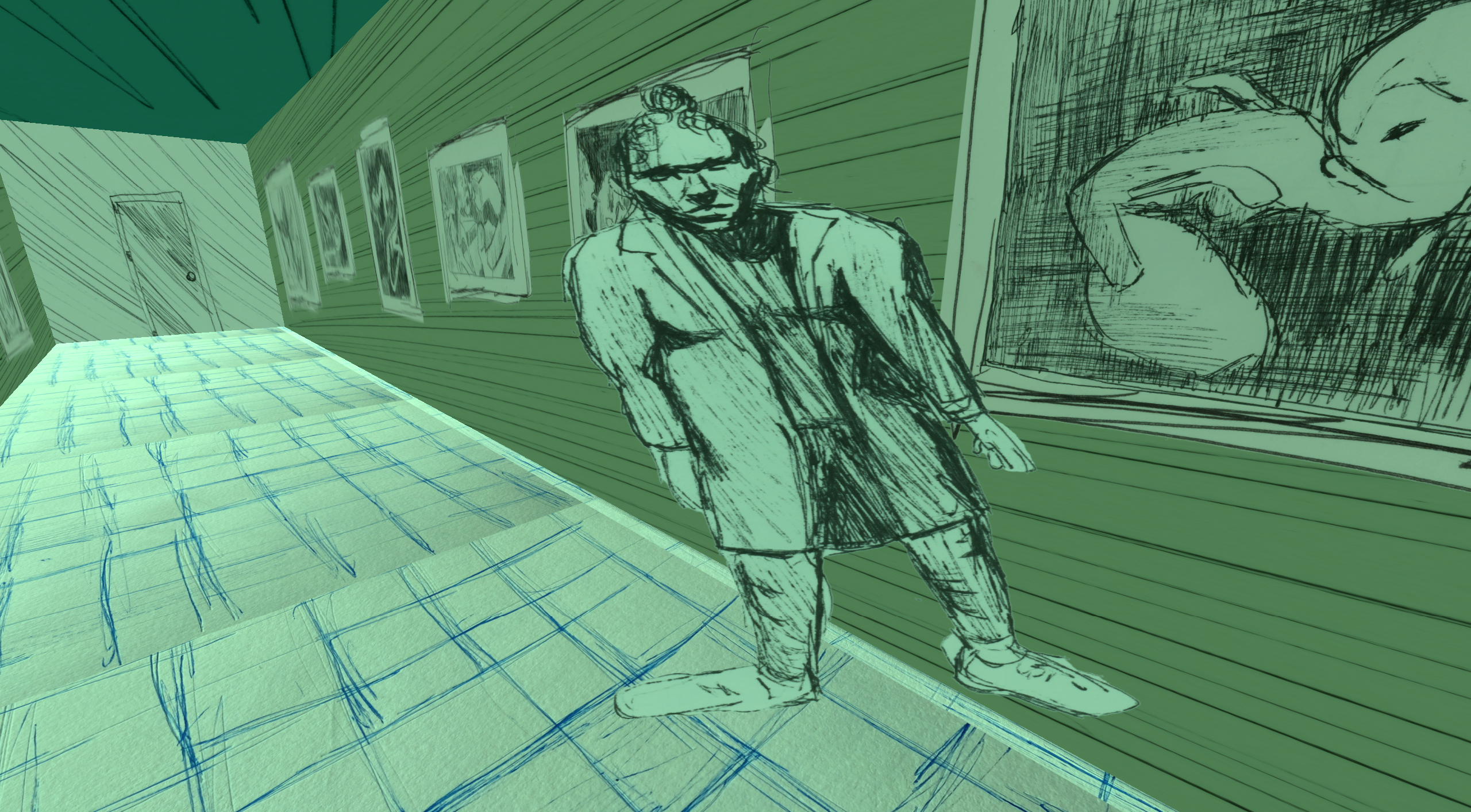
You walk to the door and are greeted by a nurse. She is uncanny, her body echoing your own small fidgets as though she has borrowed your nerves. When you turn your frame toward yourself, your body is a naked ballpoint pen animation, similar to the ink you used to fill out your paperwork again and again, choppy and trembling, sketched into motion. On the walls hang images of womb interiors rendered in pen. 
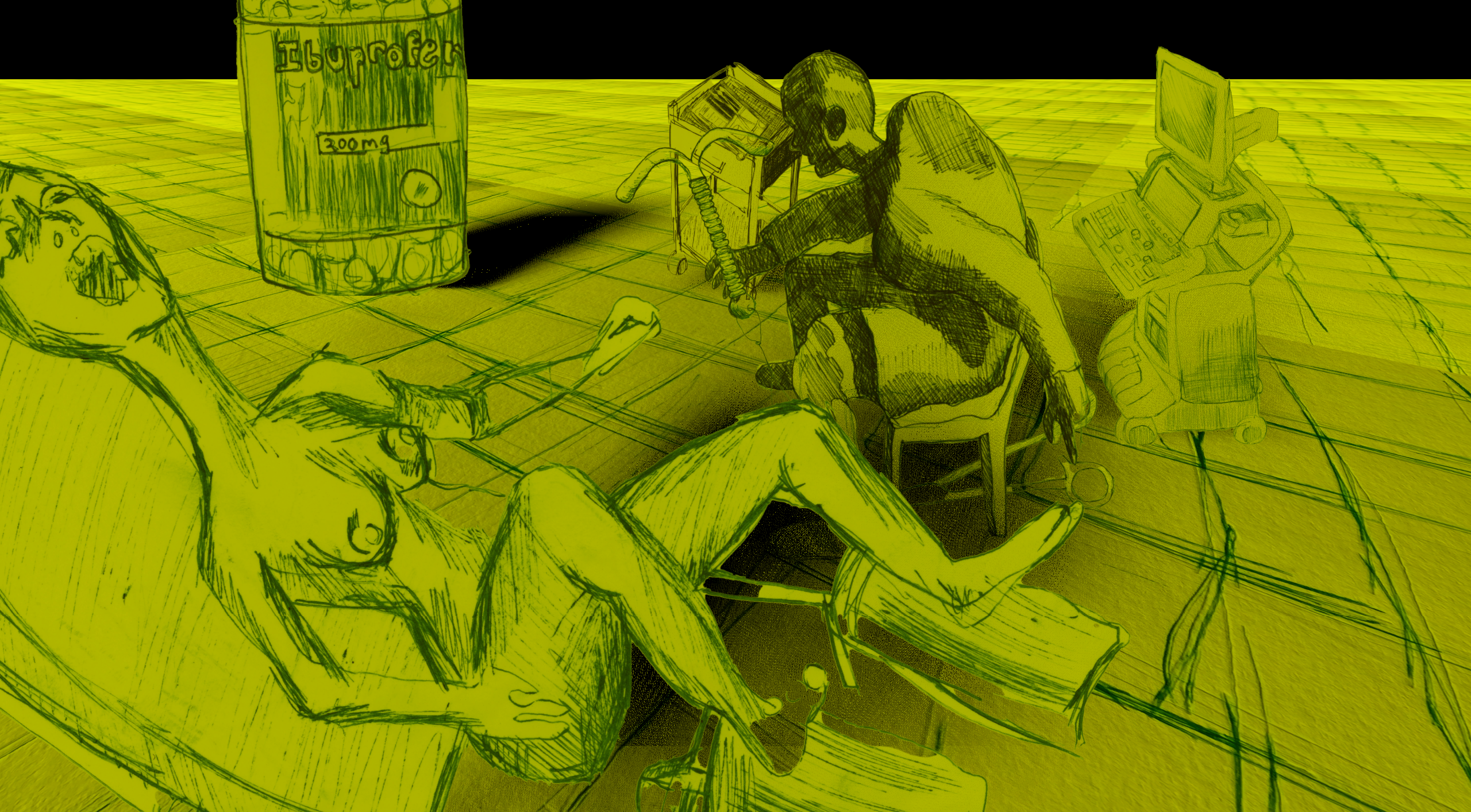
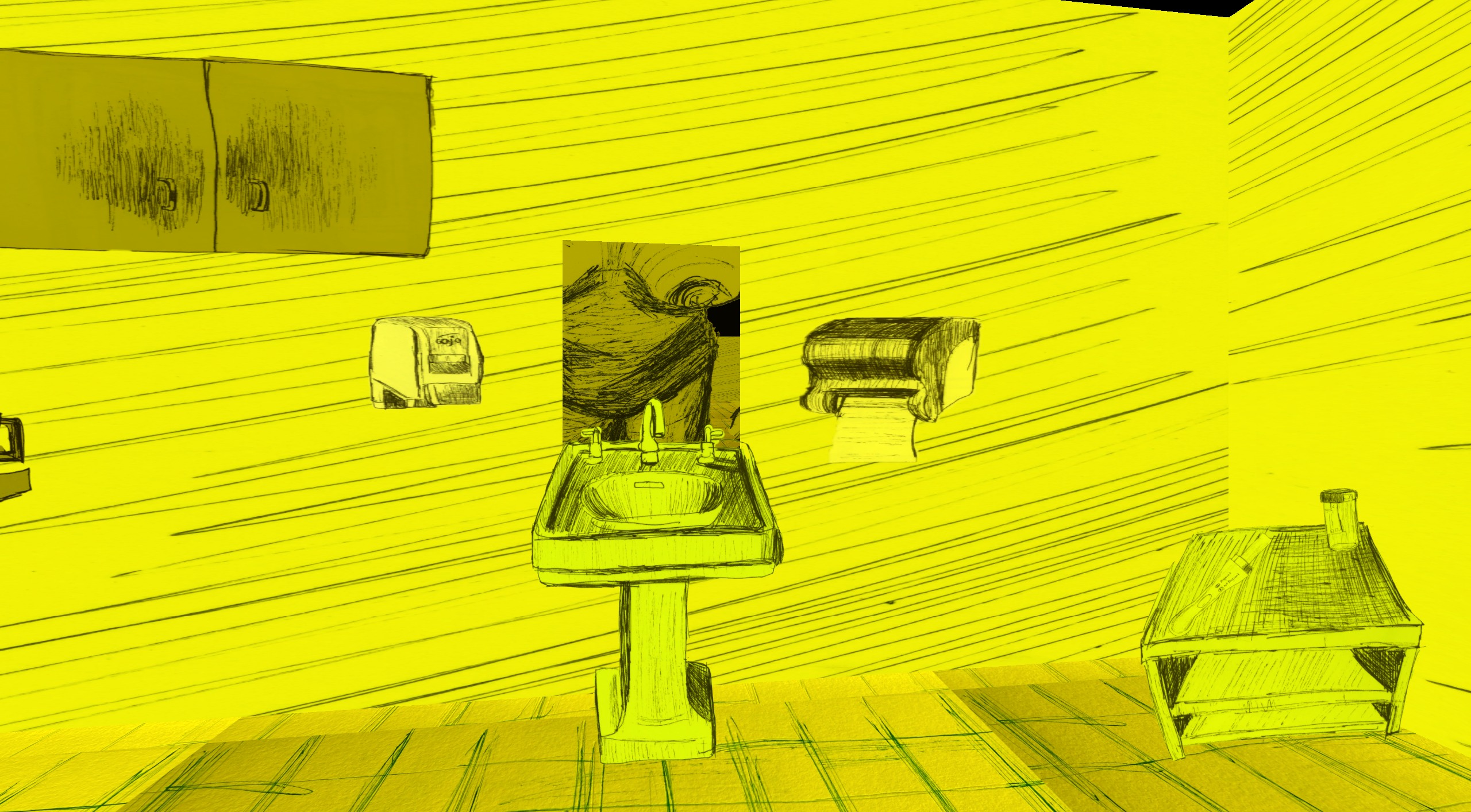
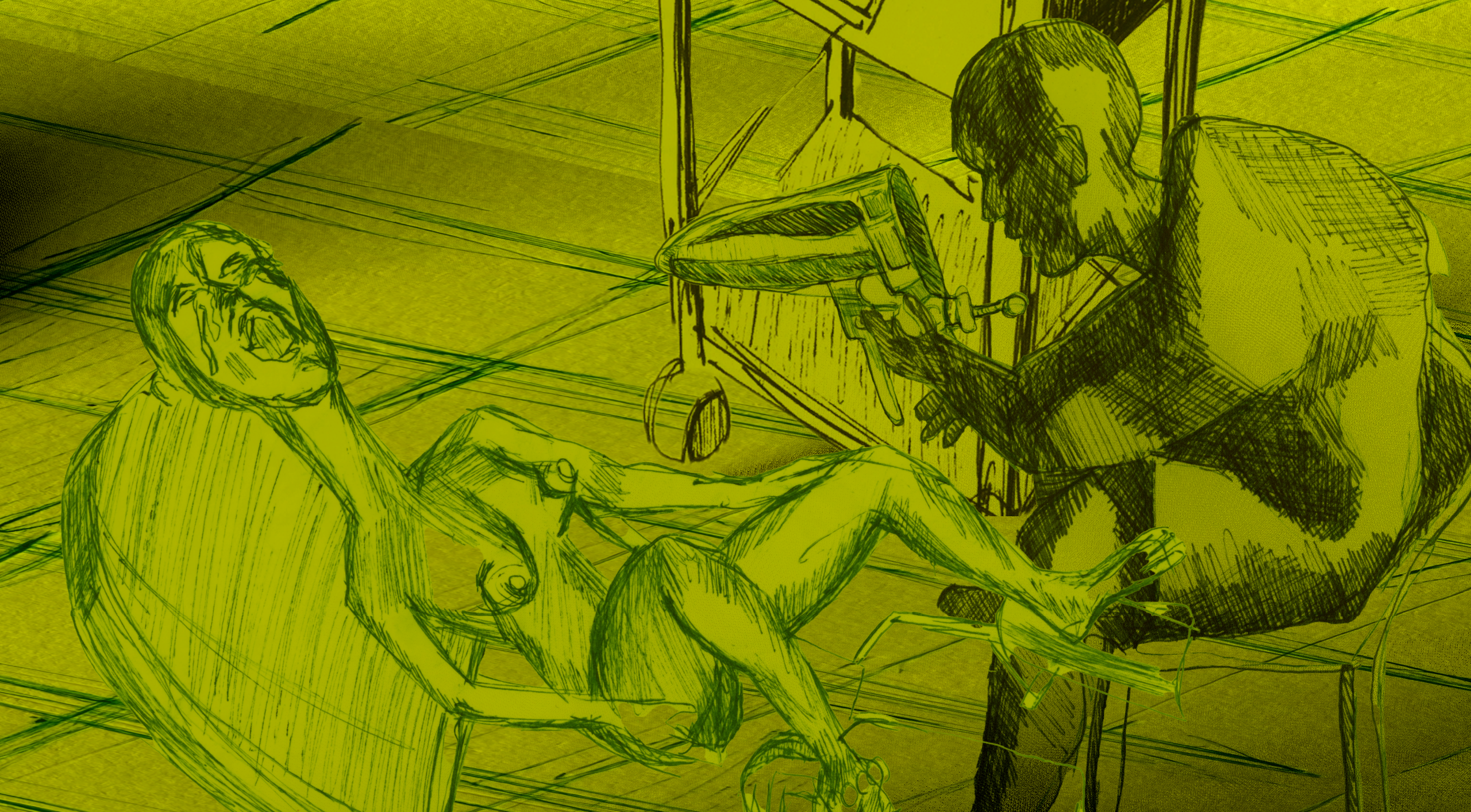
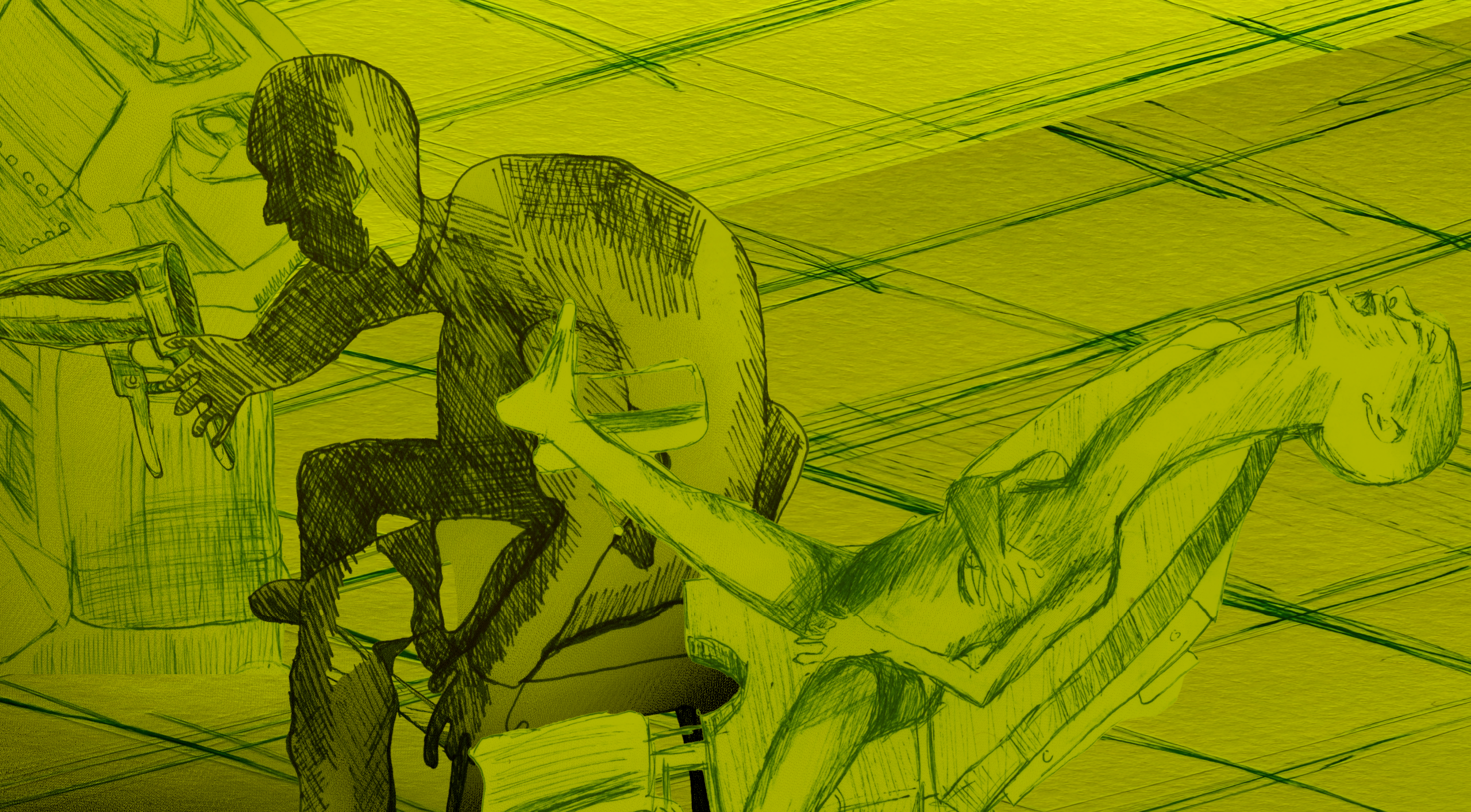
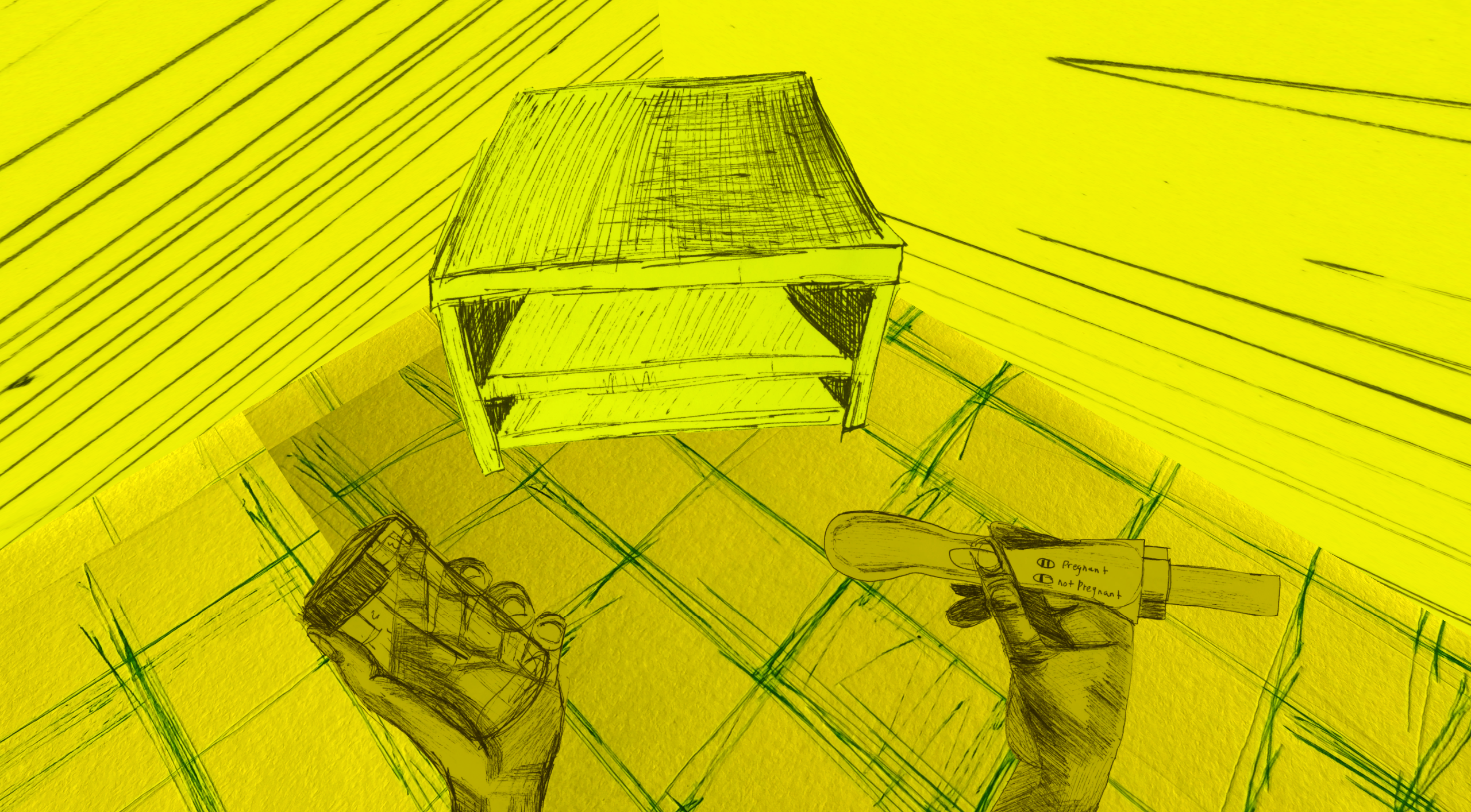
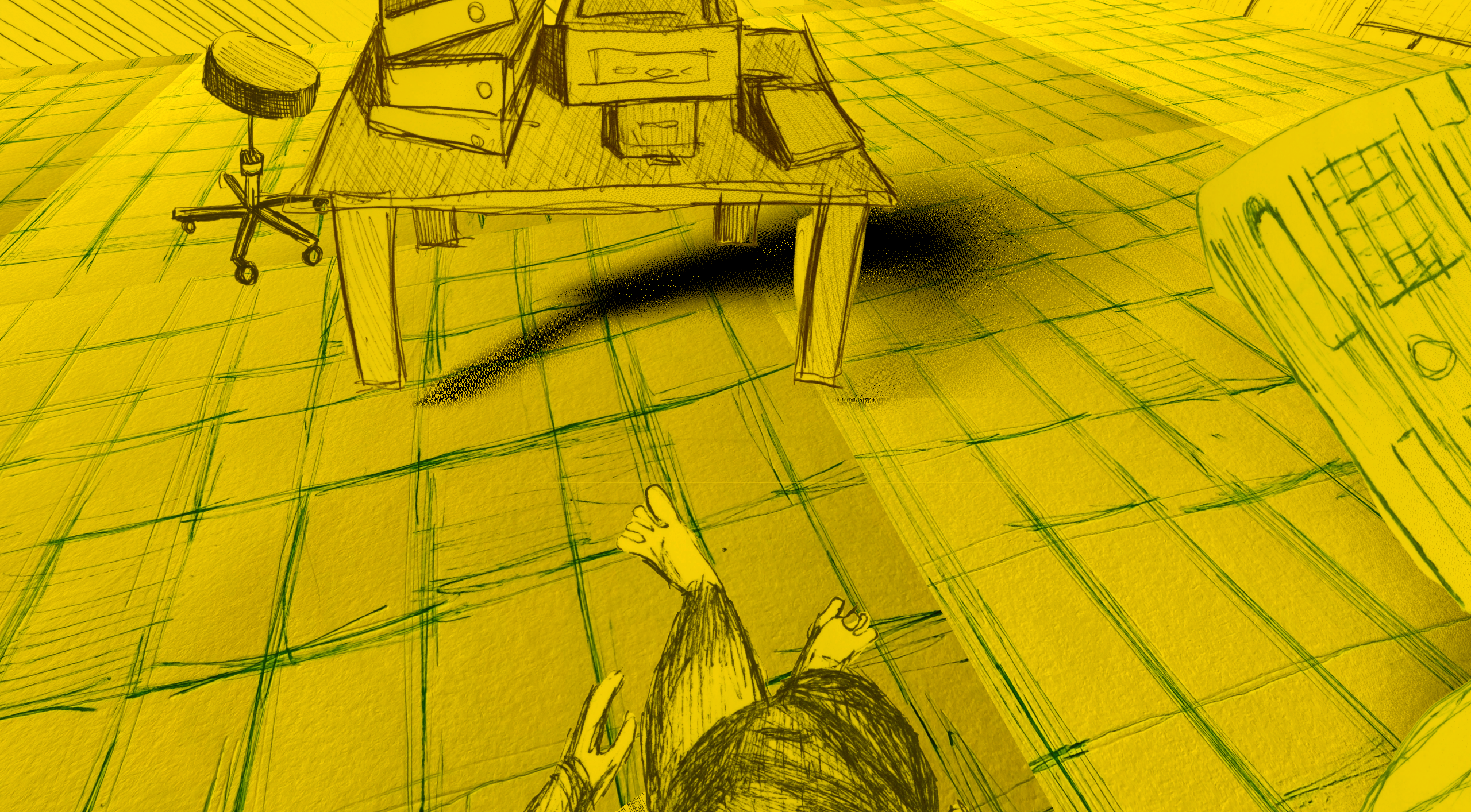
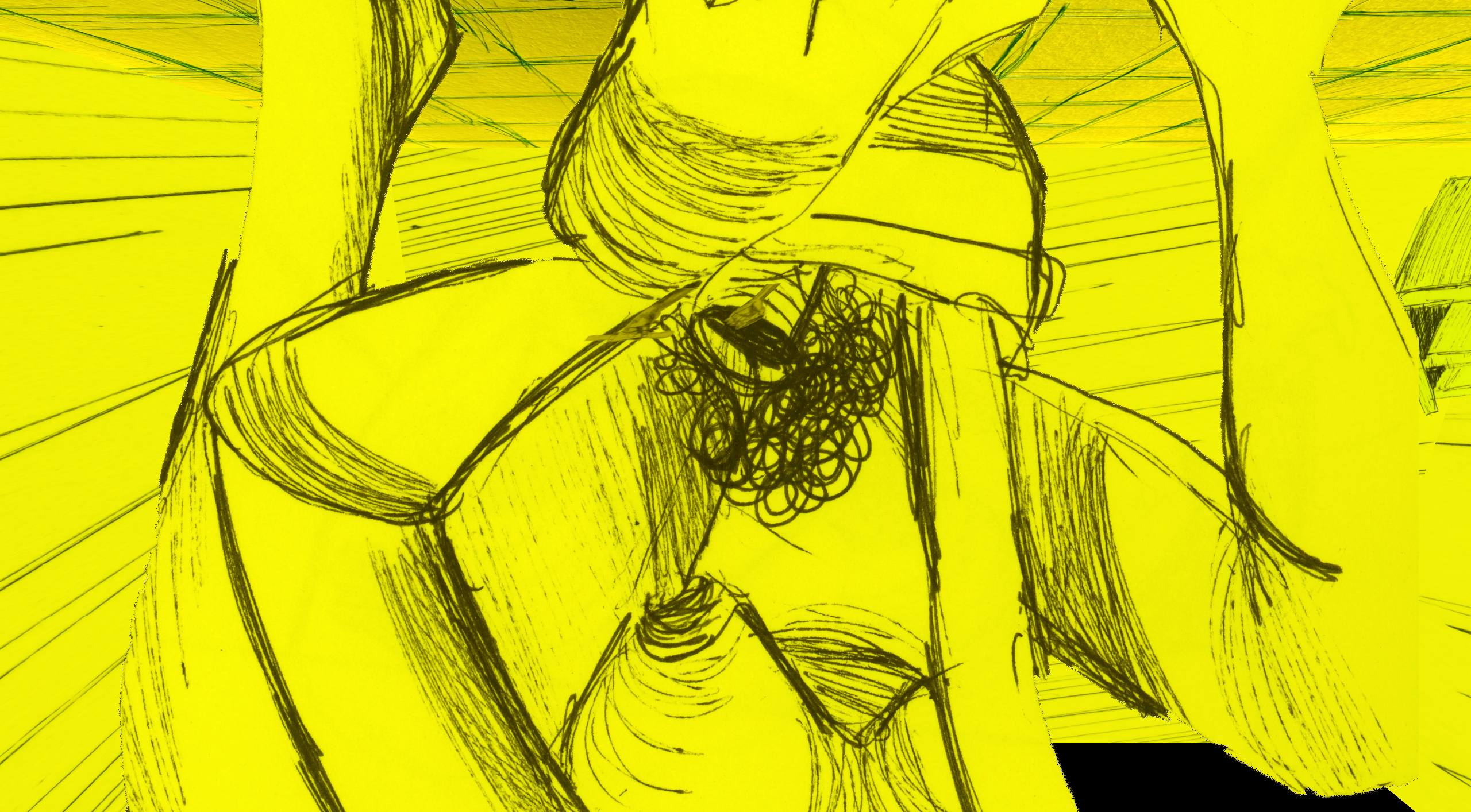
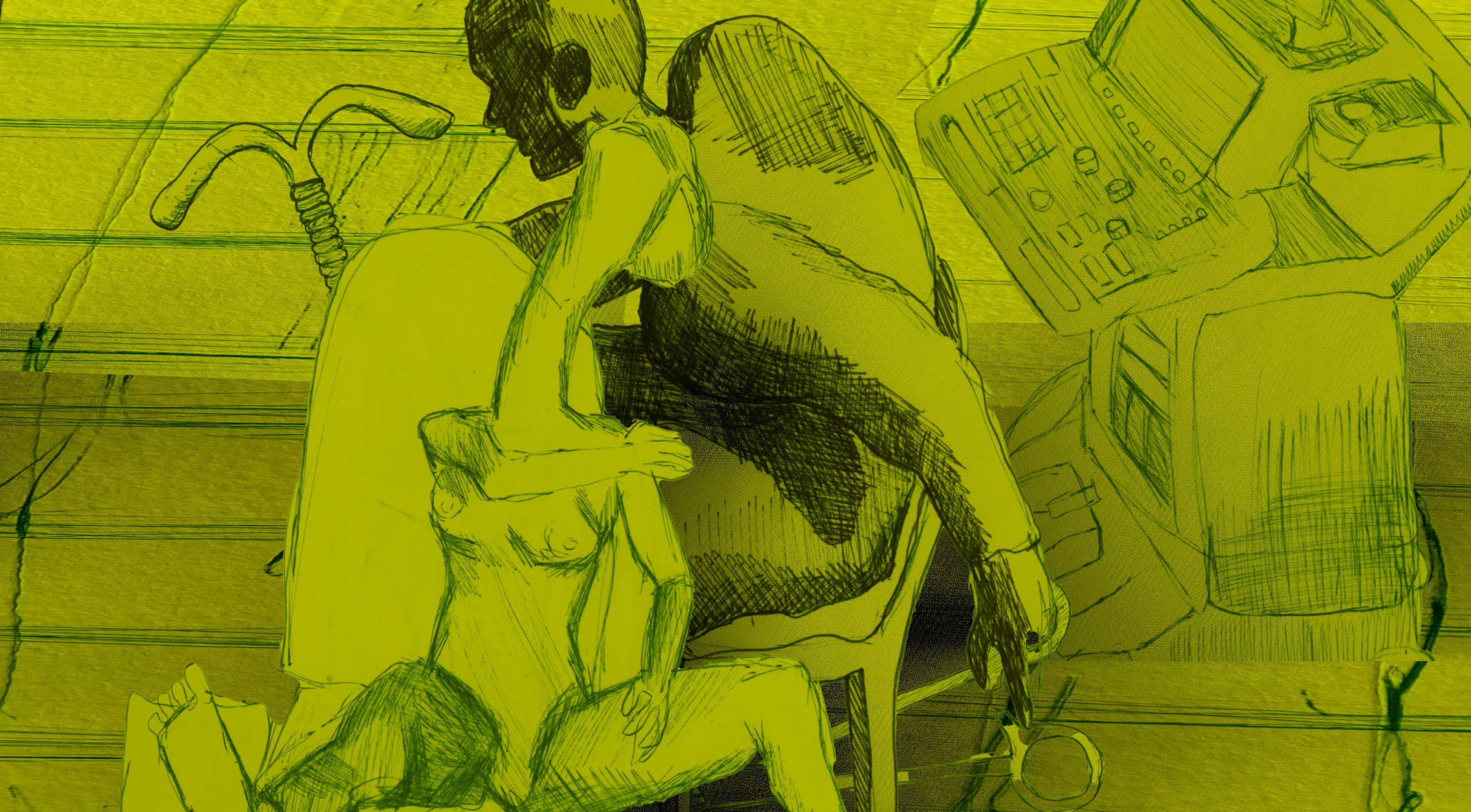
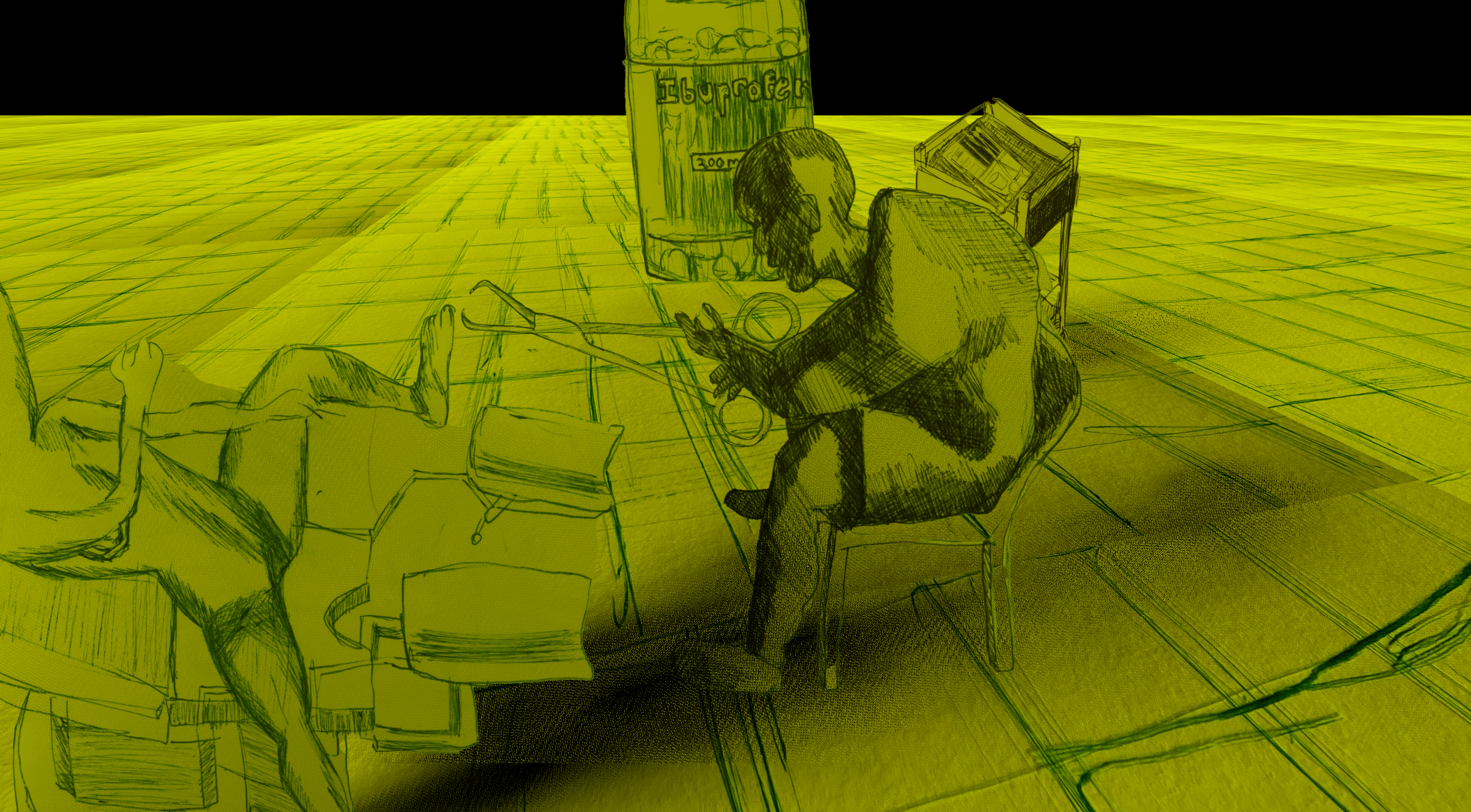
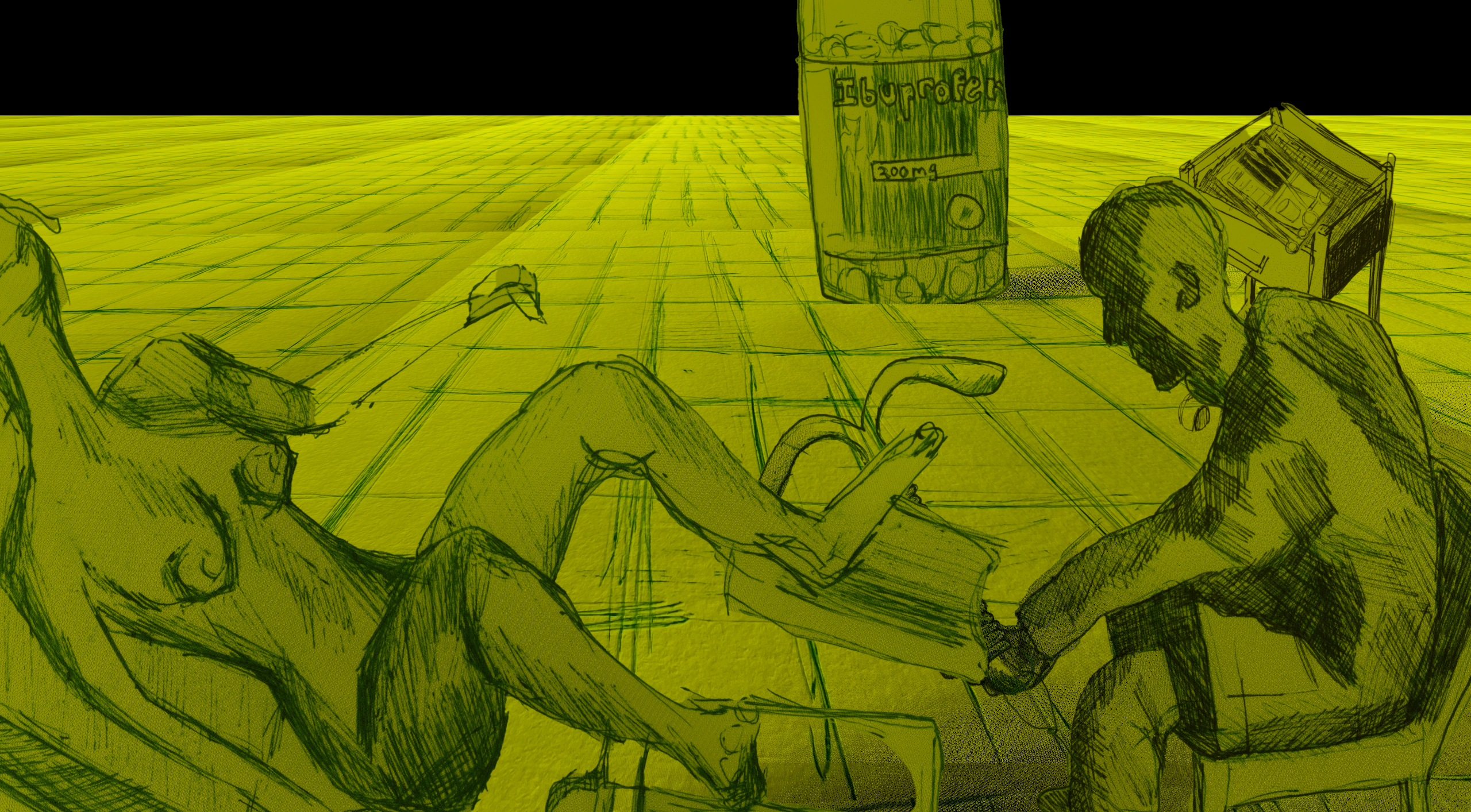
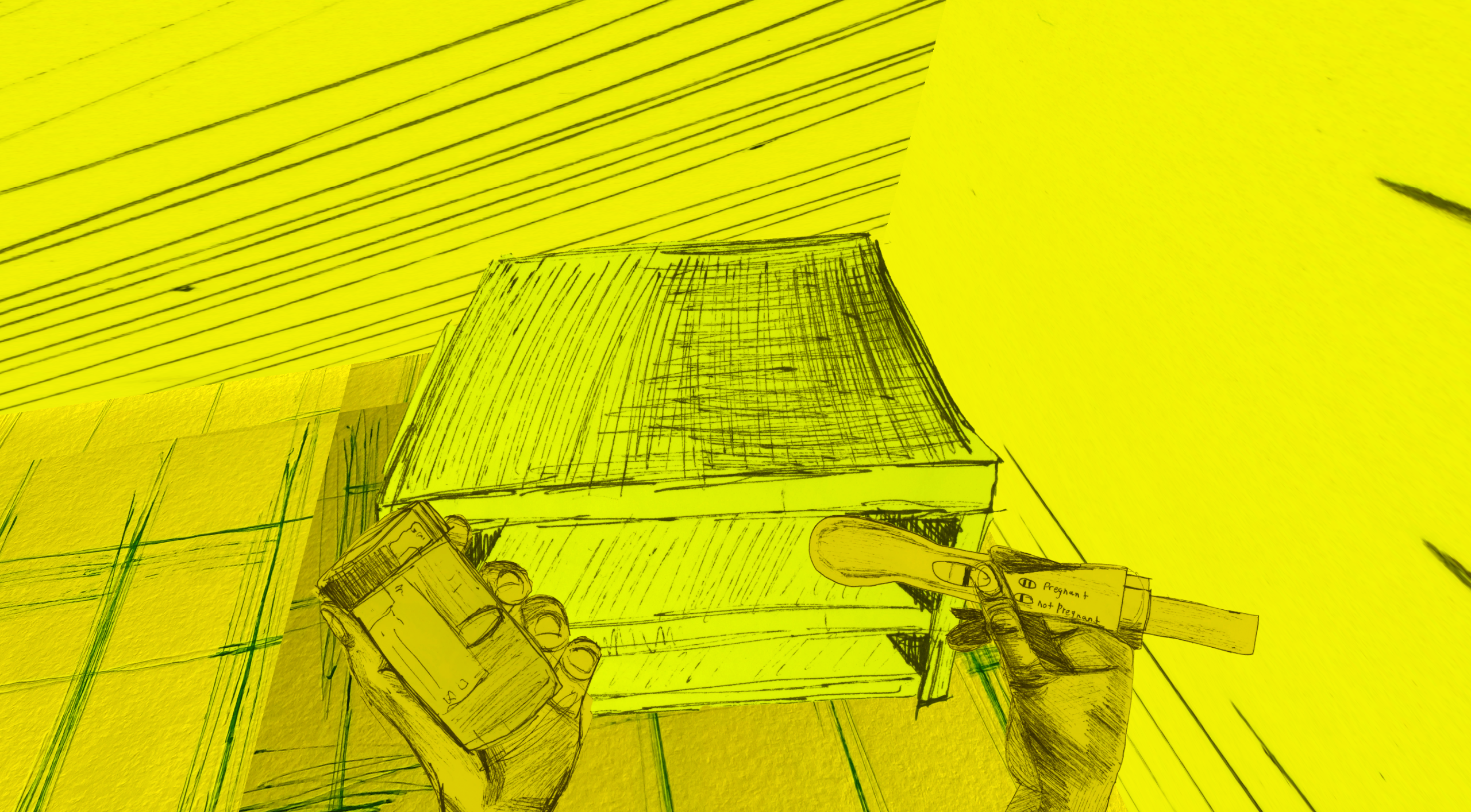
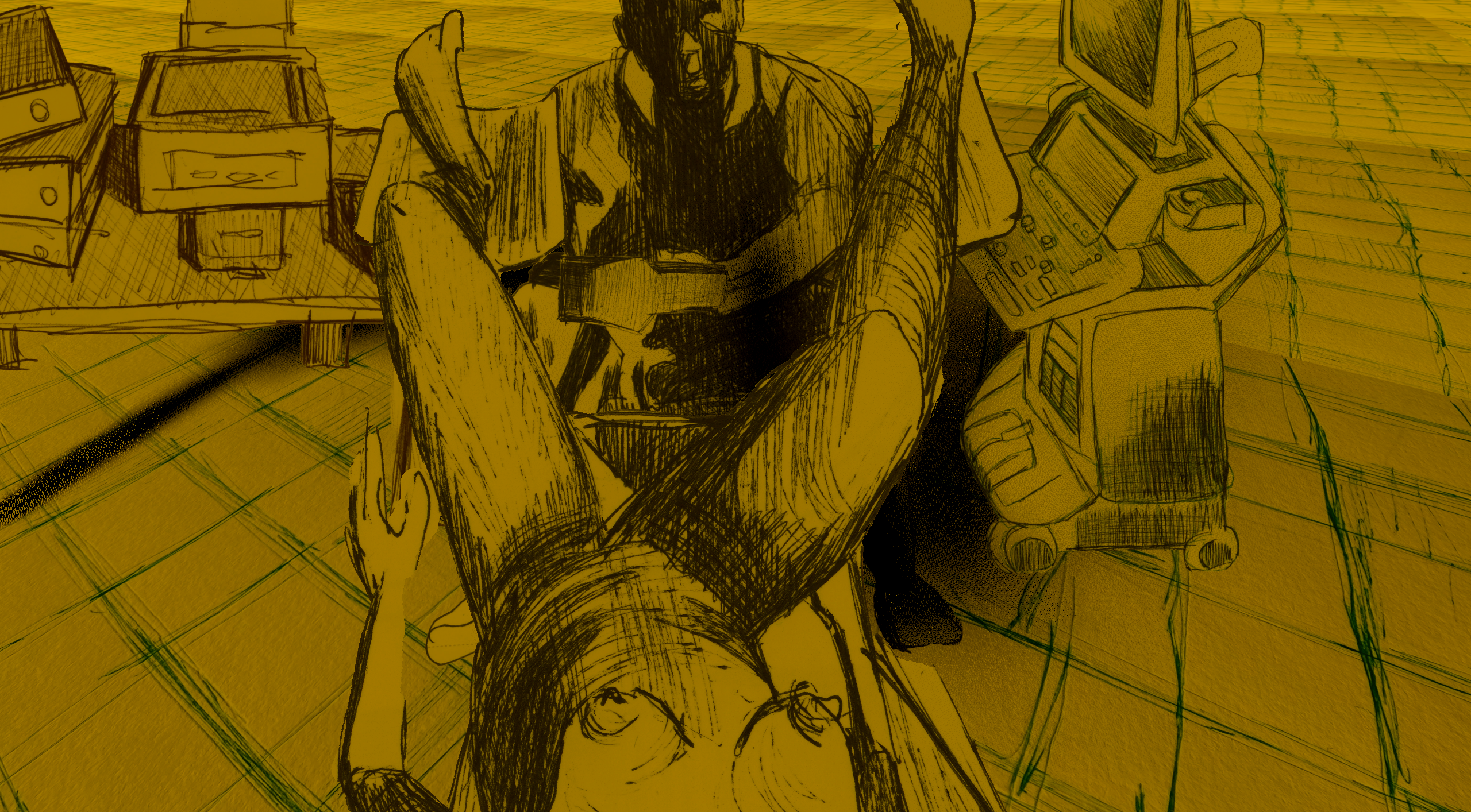
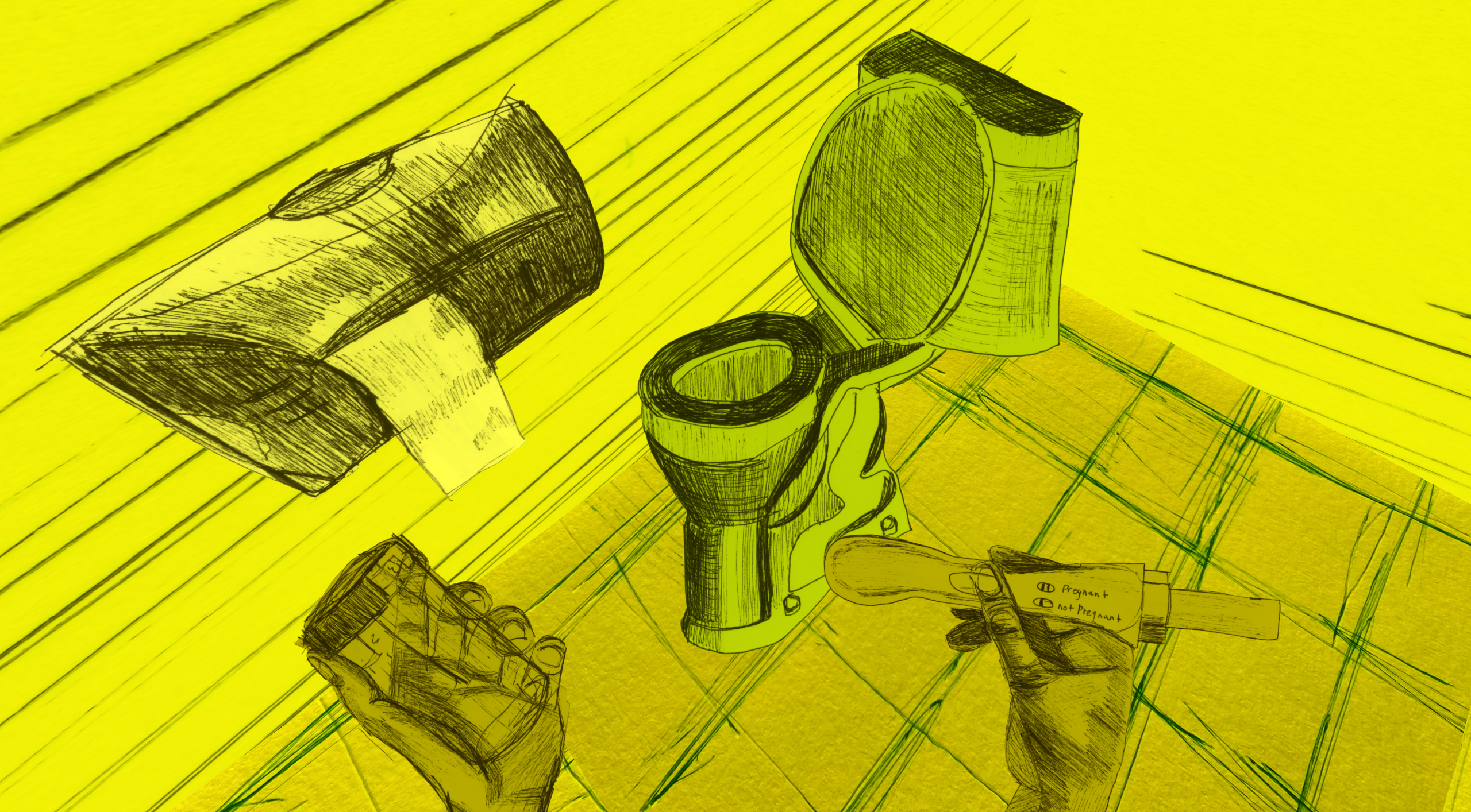
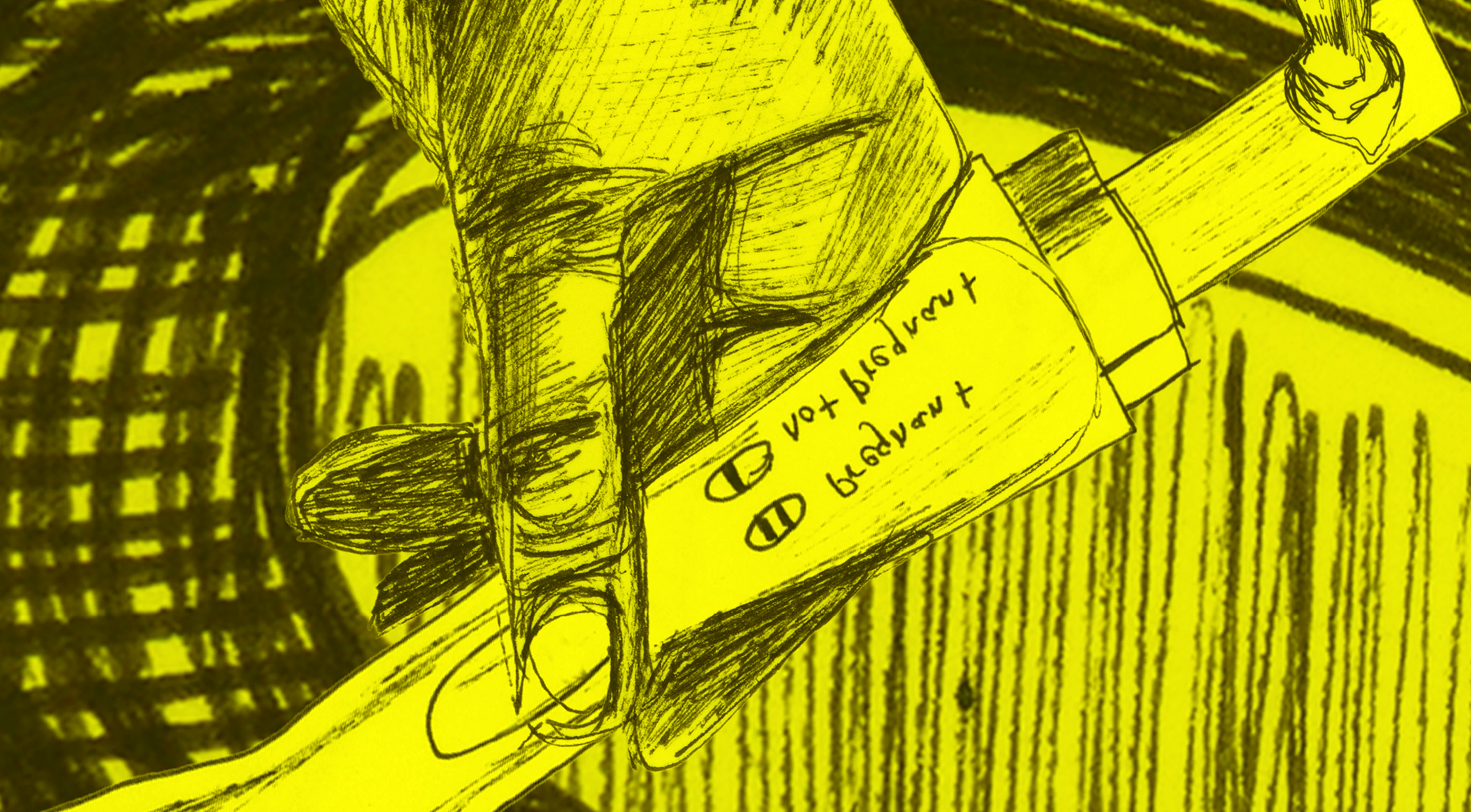
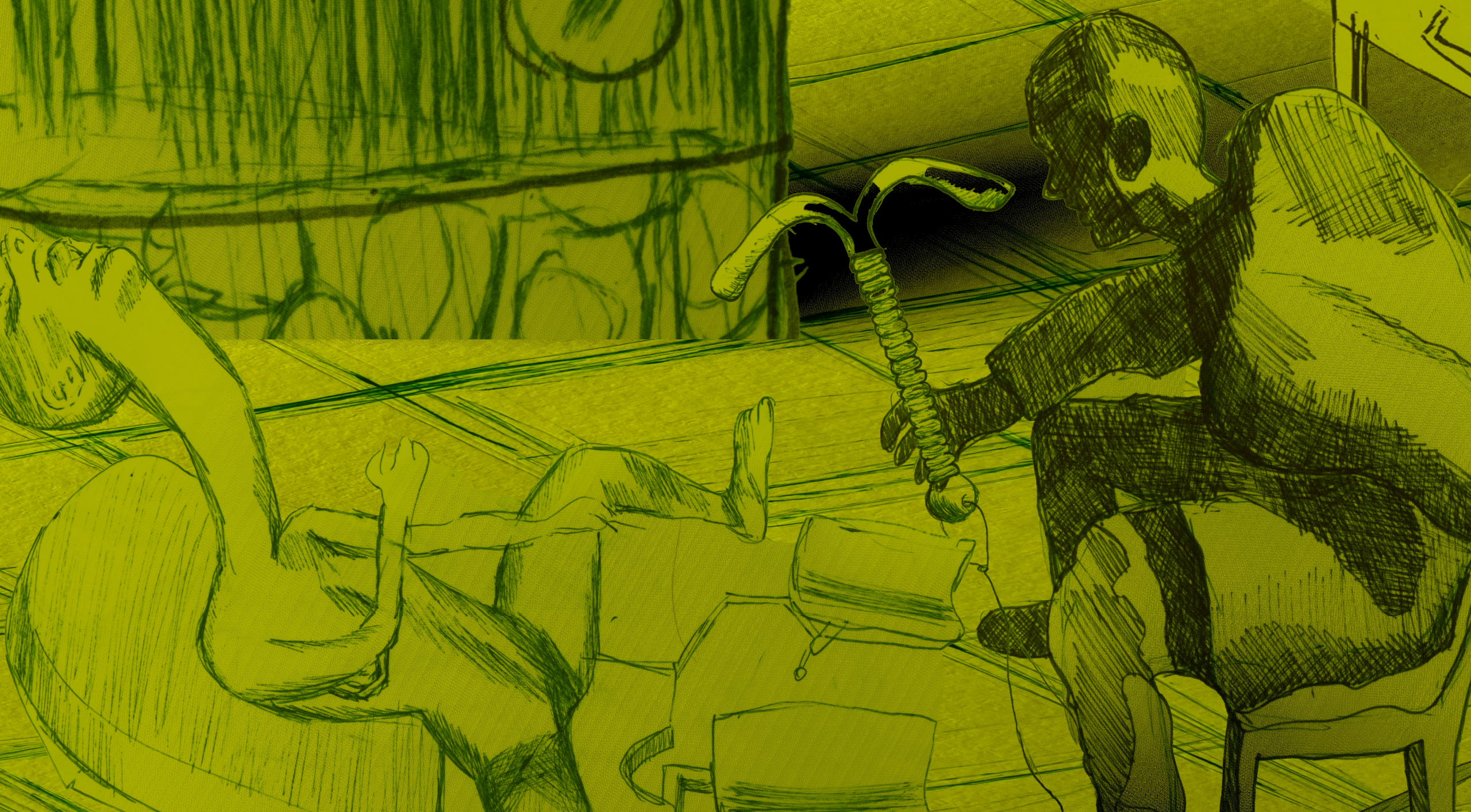
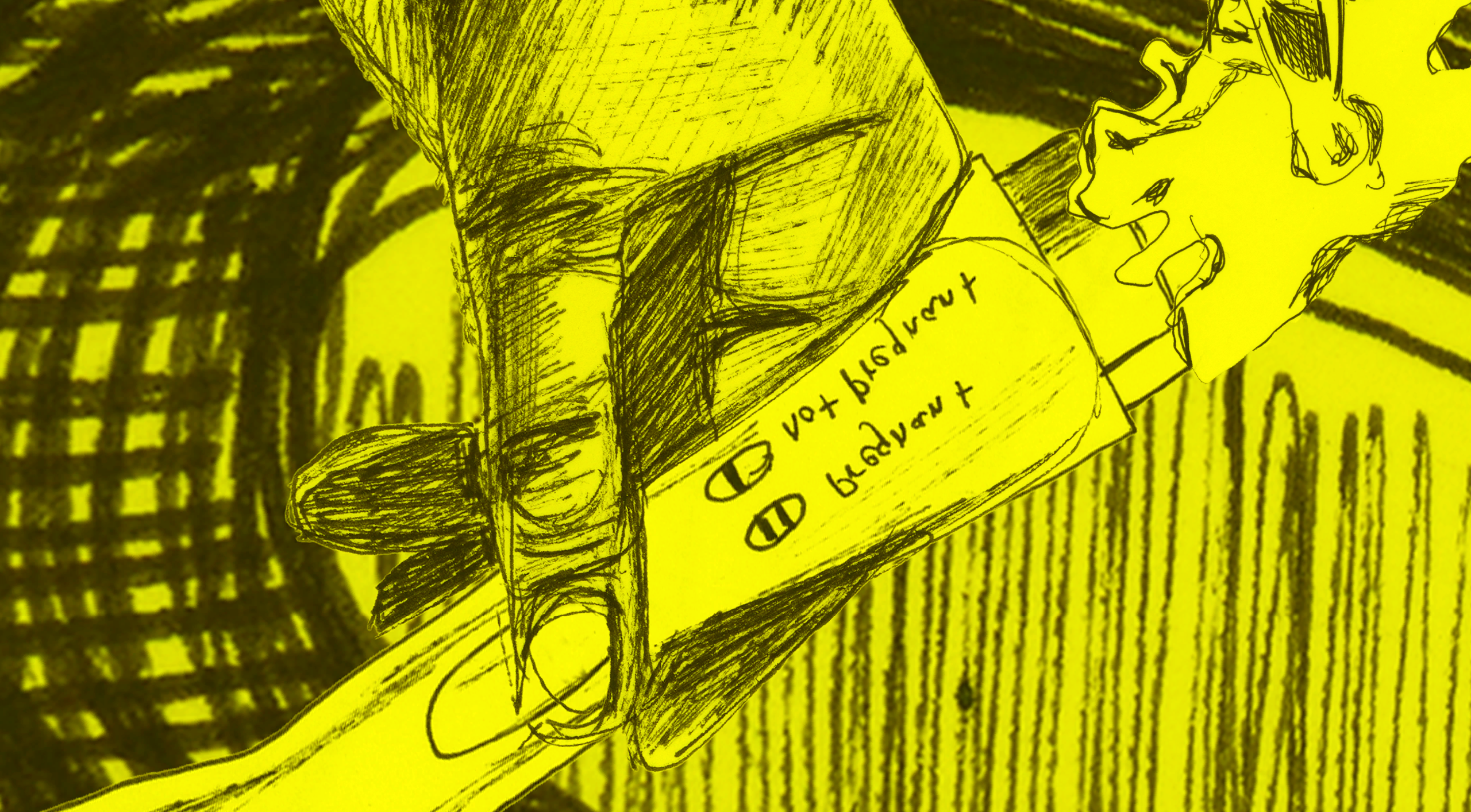
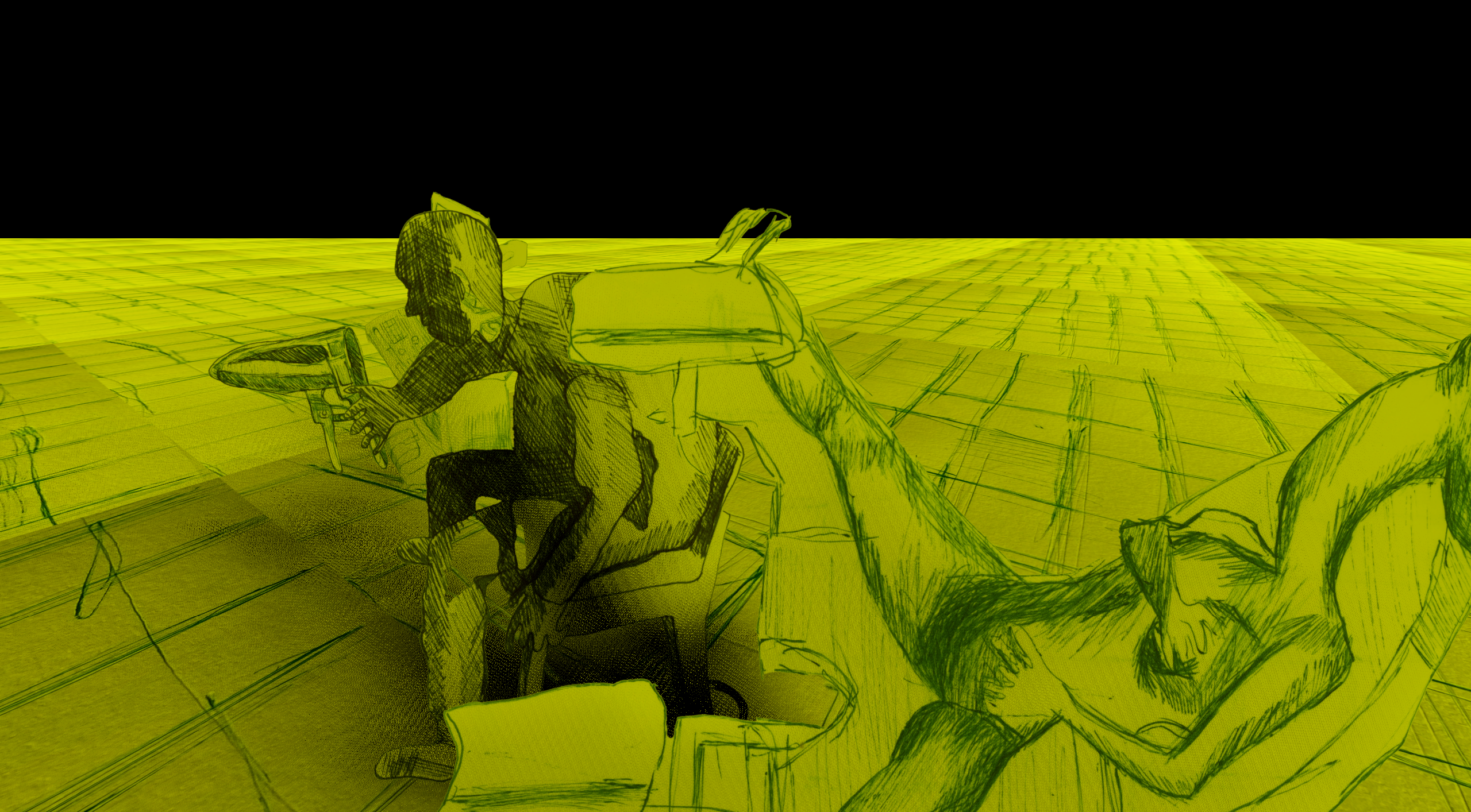
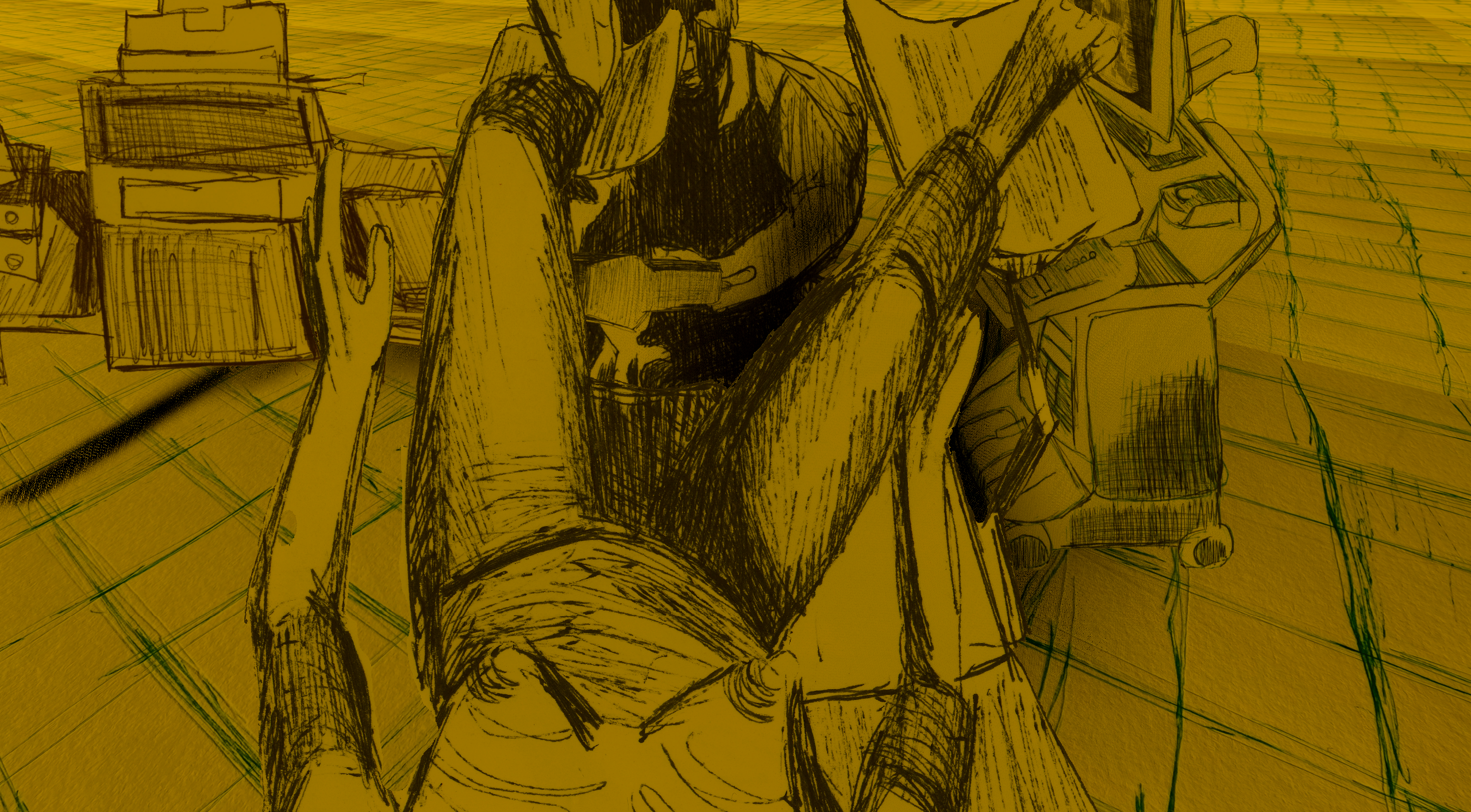
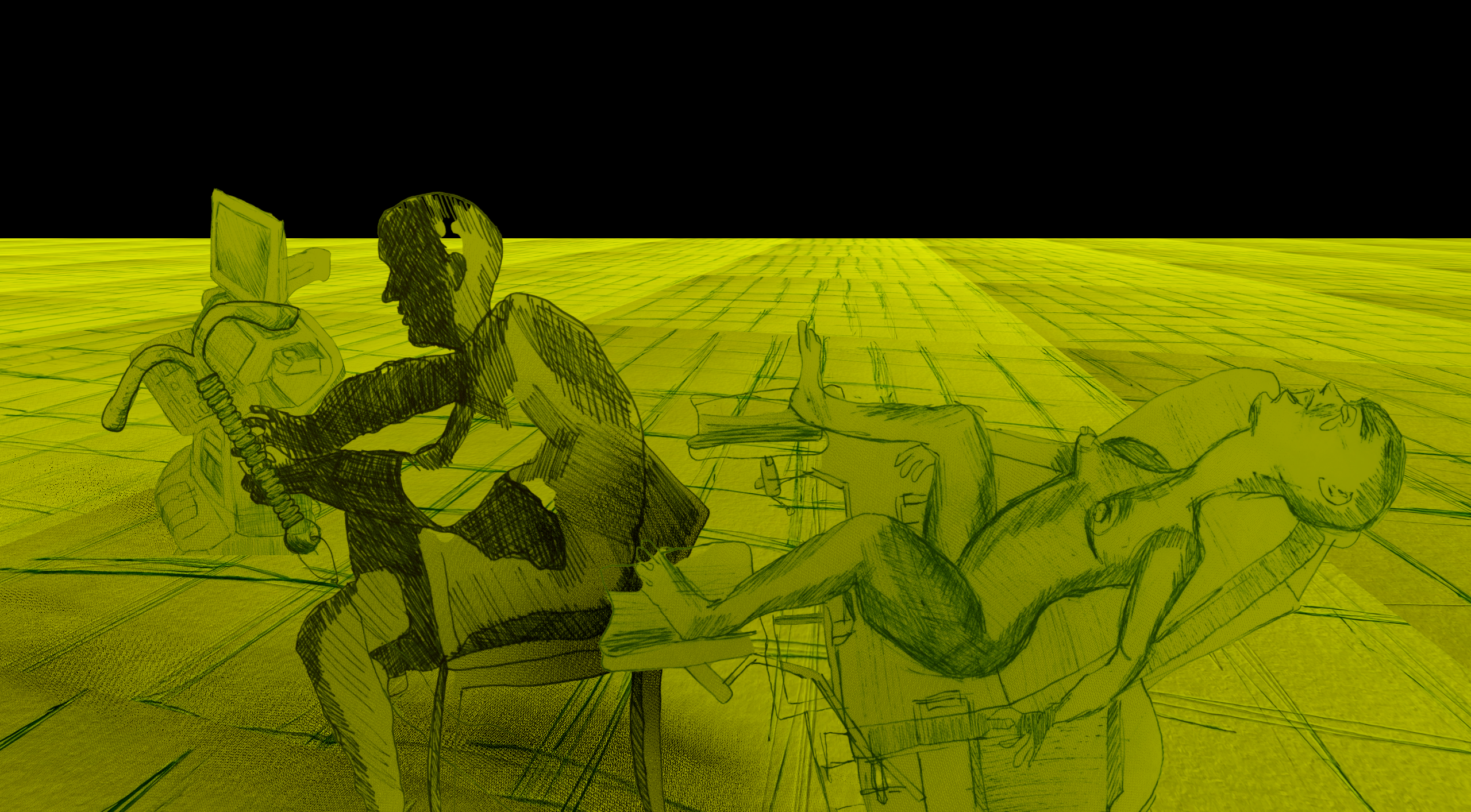
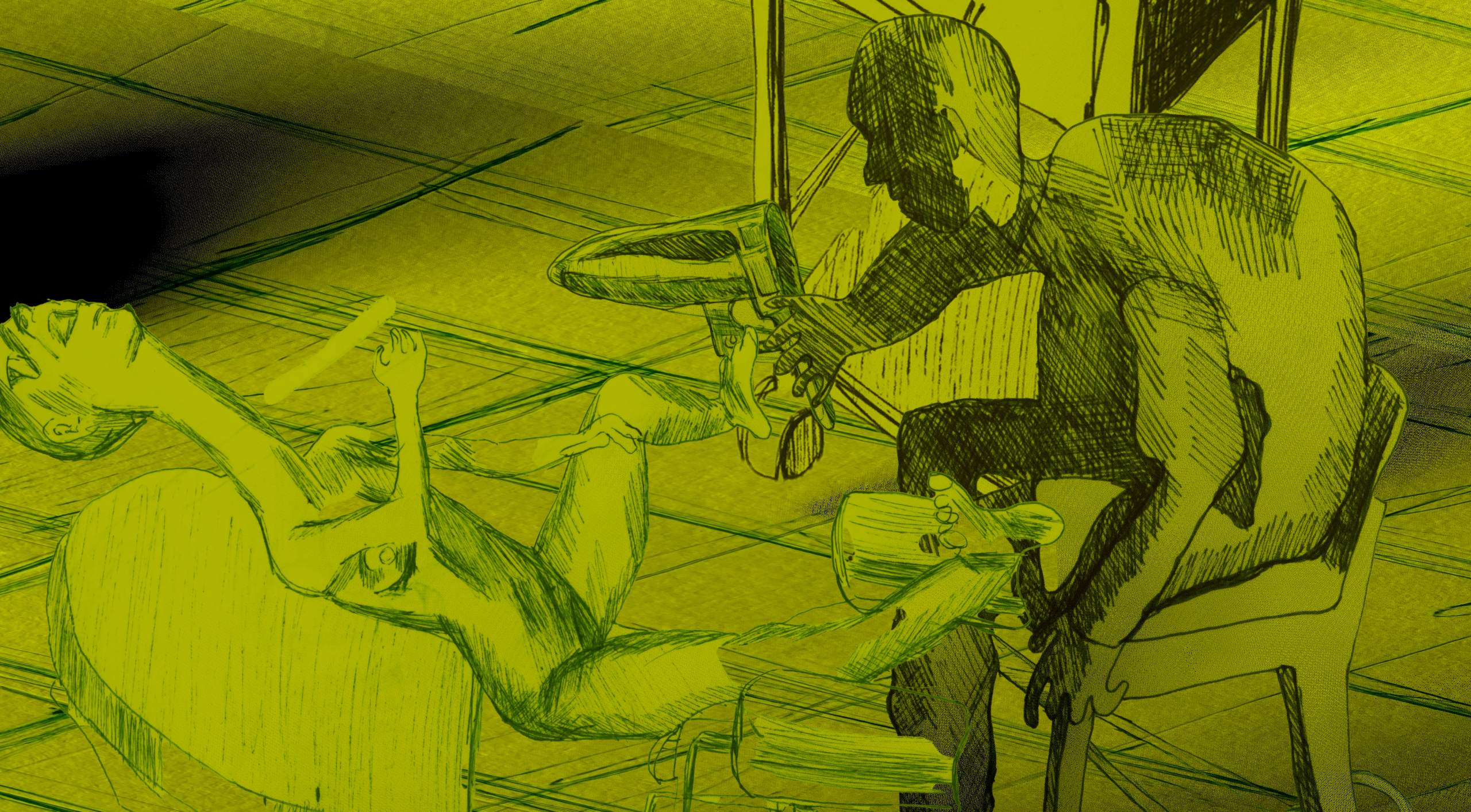
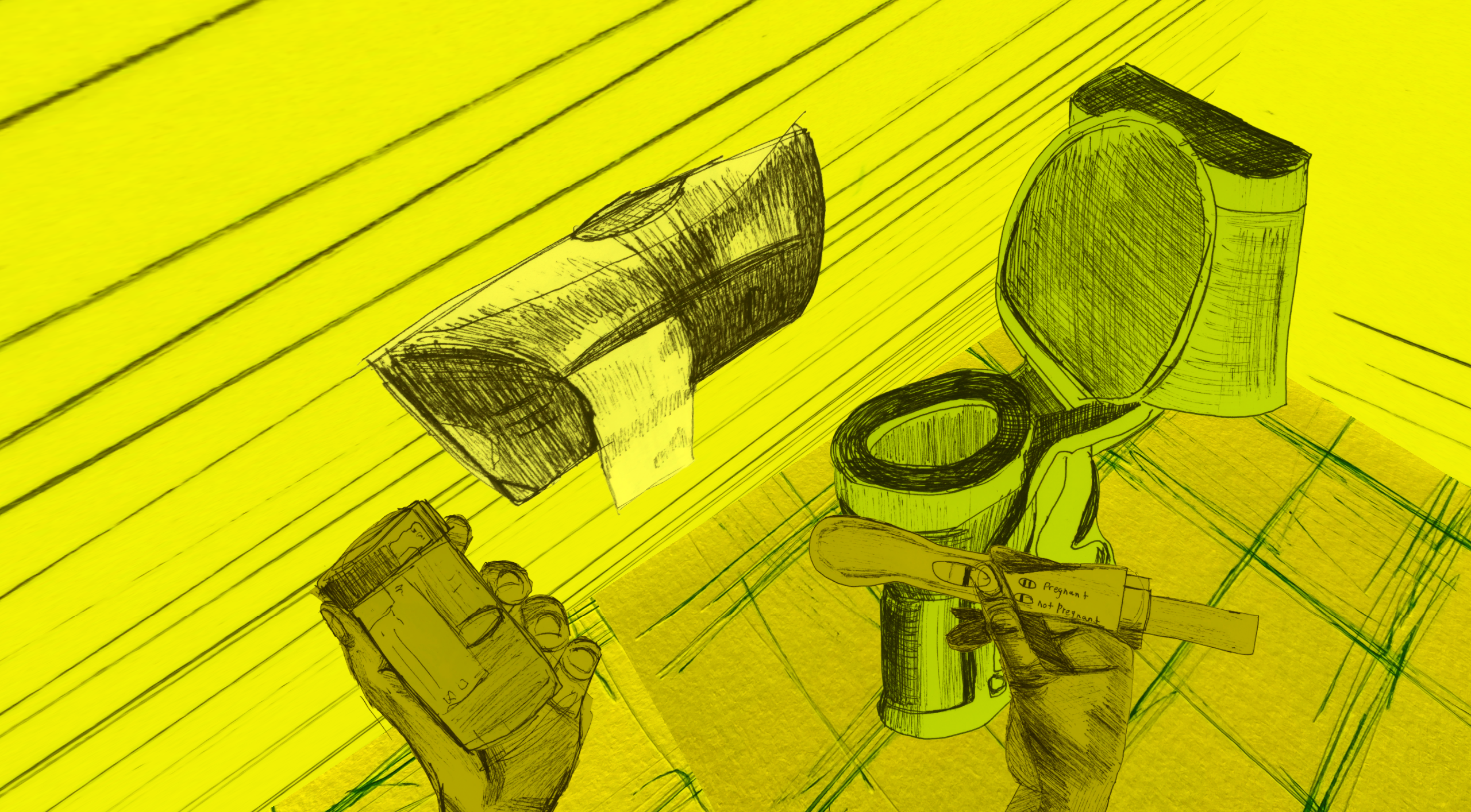
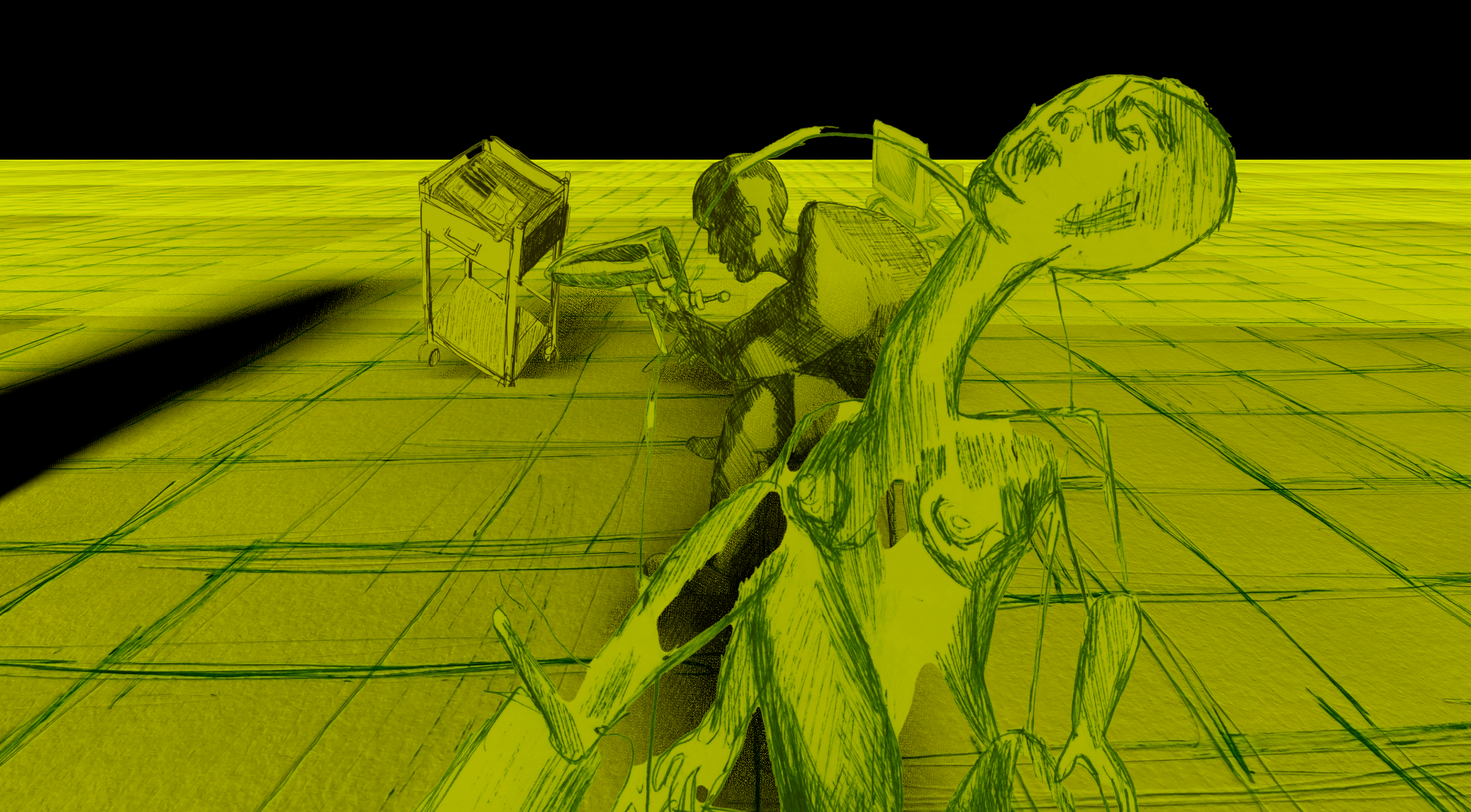
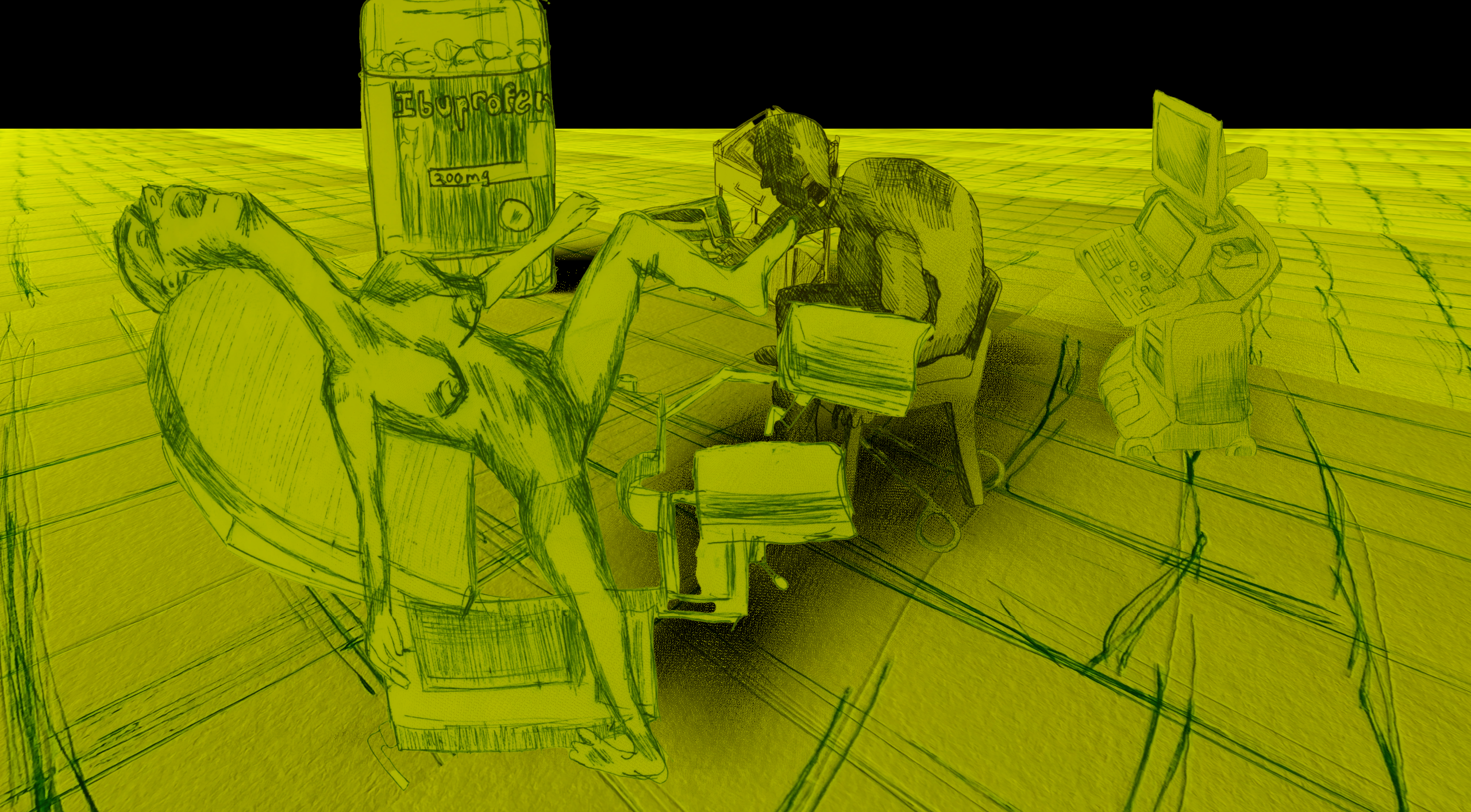
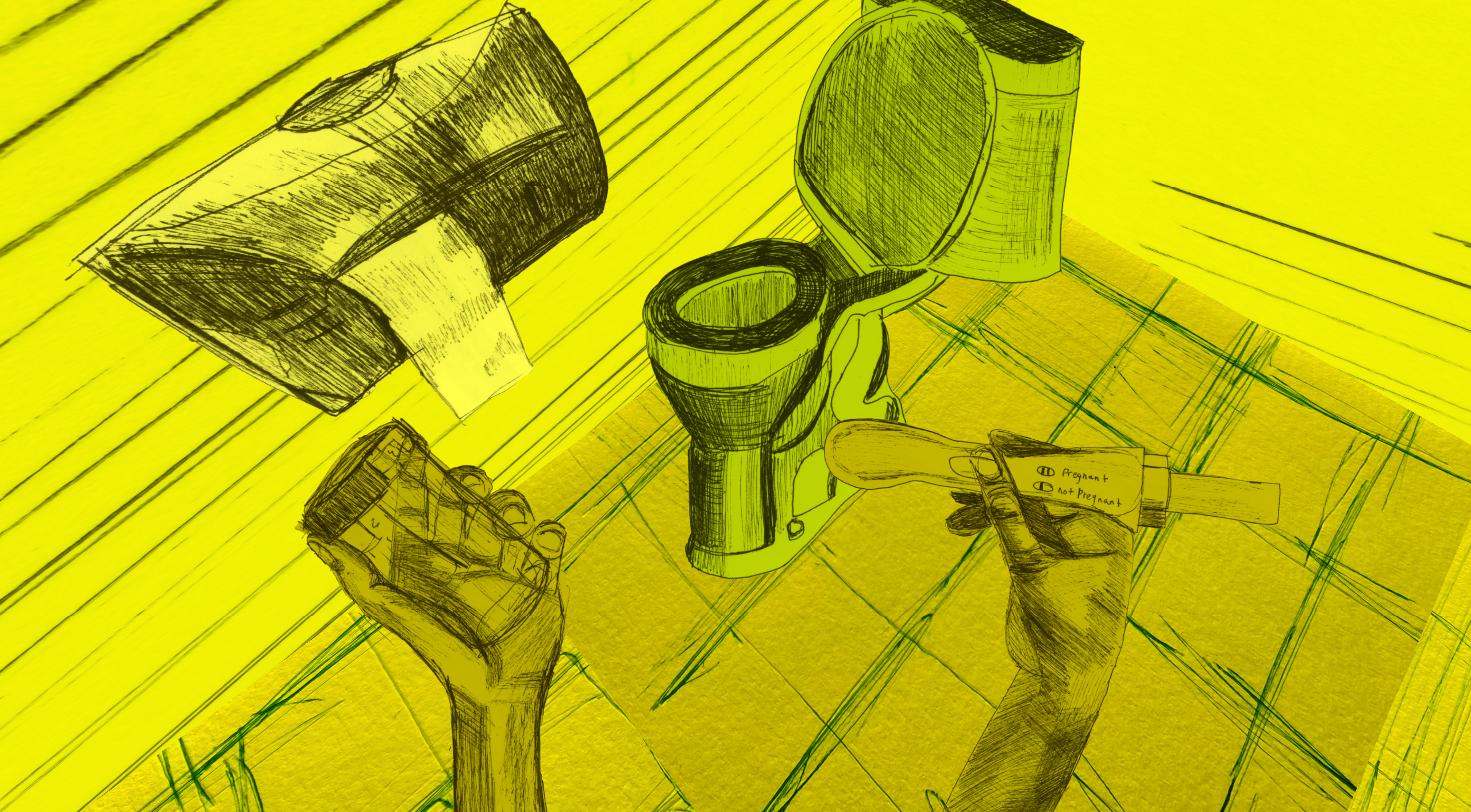
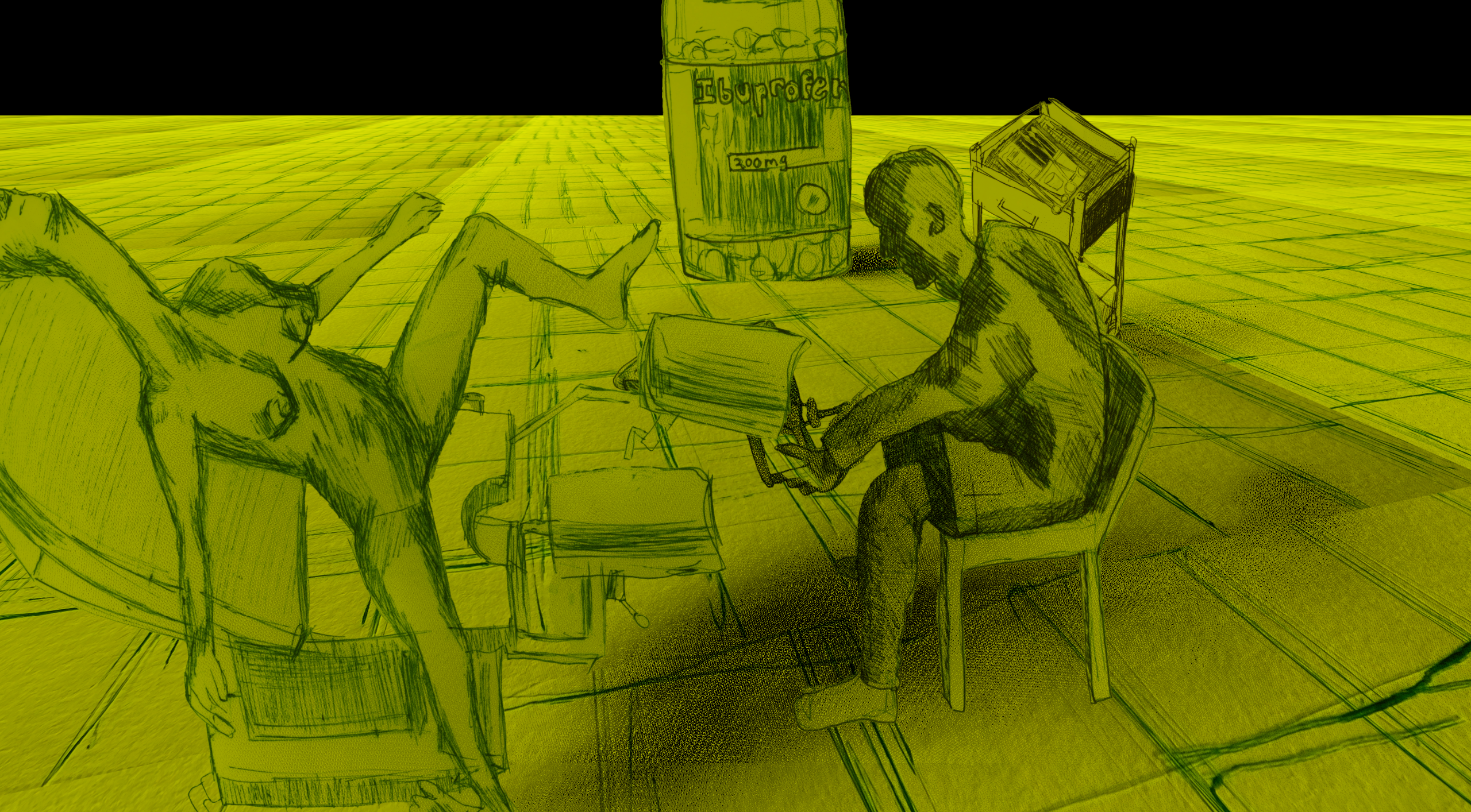
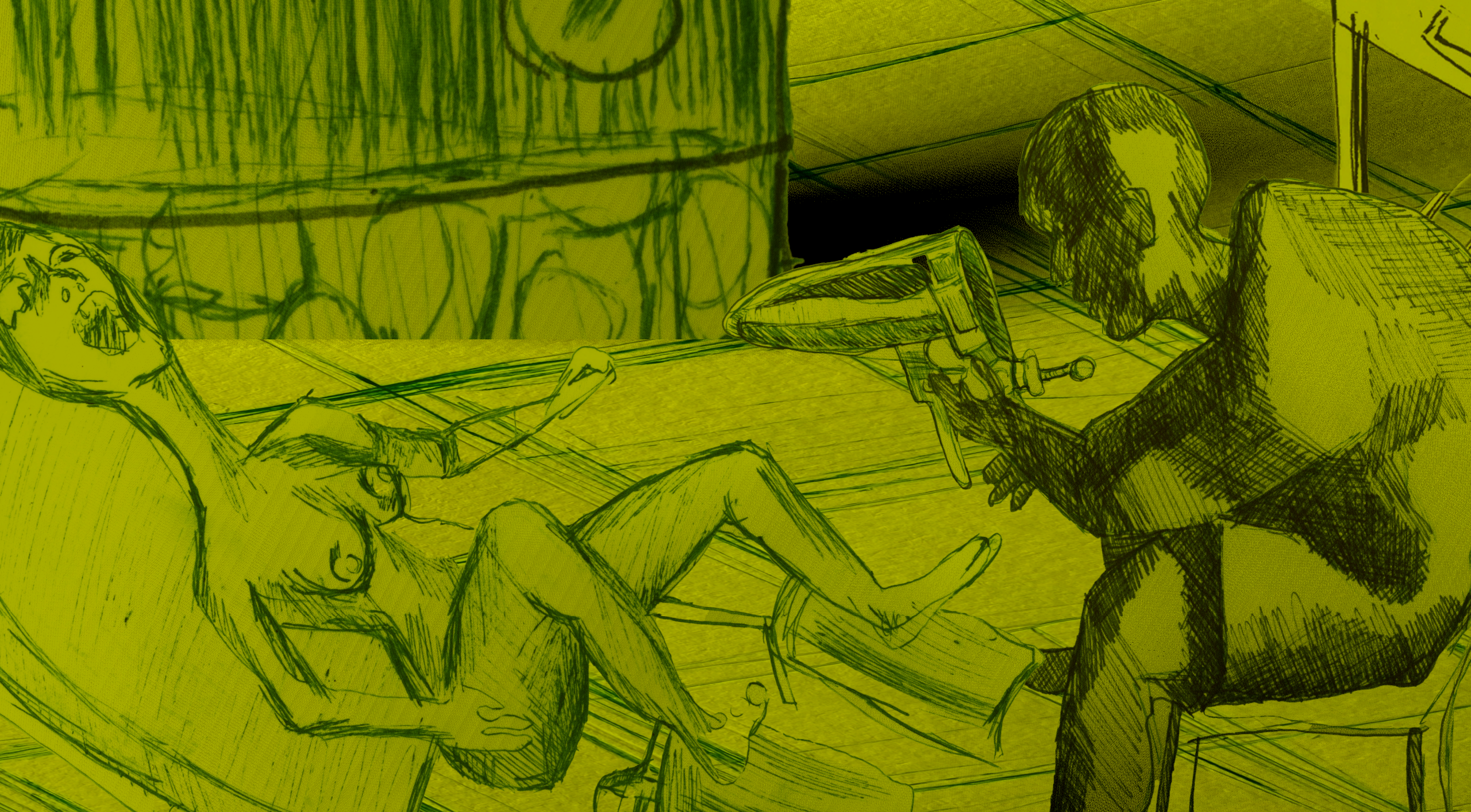
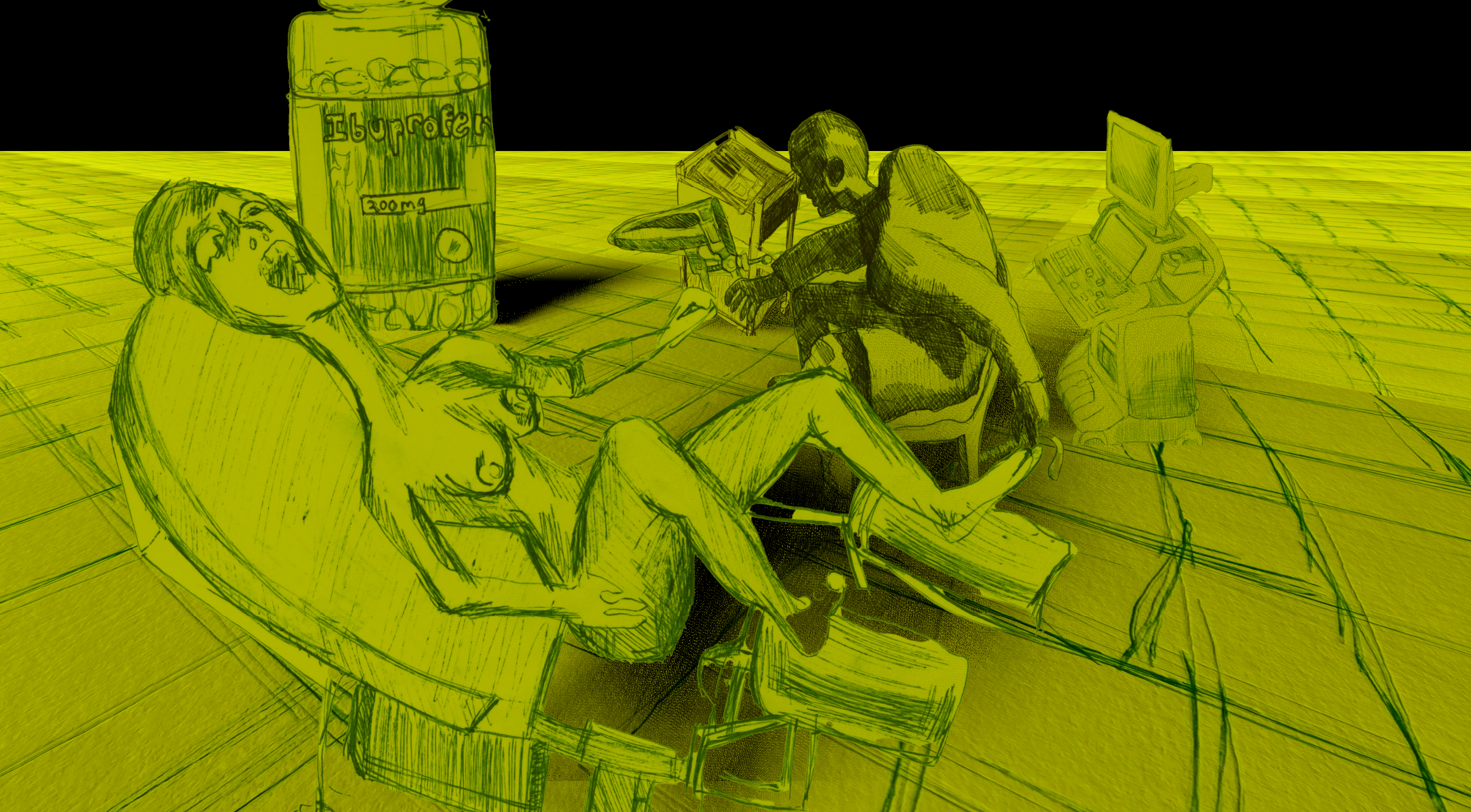
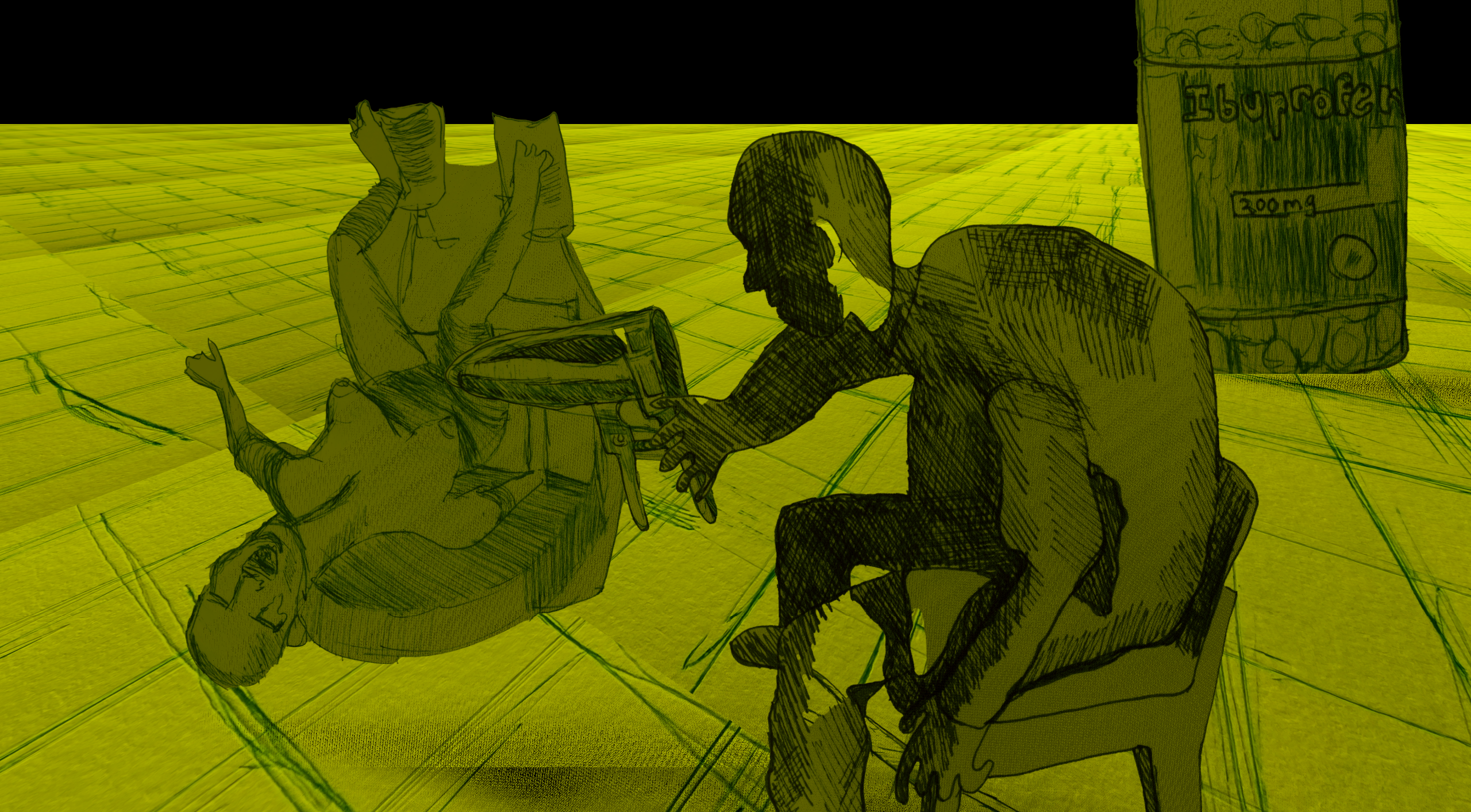
At the end of the hall is a bathroom. You squat over the toilet and piss into a cup and onto the  strip. As you wait, two faint lines rise like ghosts. Returning the tests to the table, your  first-person perspective loosens from you. The camera drifts. Suddenly you are watching  yourself from outside your body, caught in a third-person spell, as the doctor inserts an IUD.  Tears gather and spill down your face.  

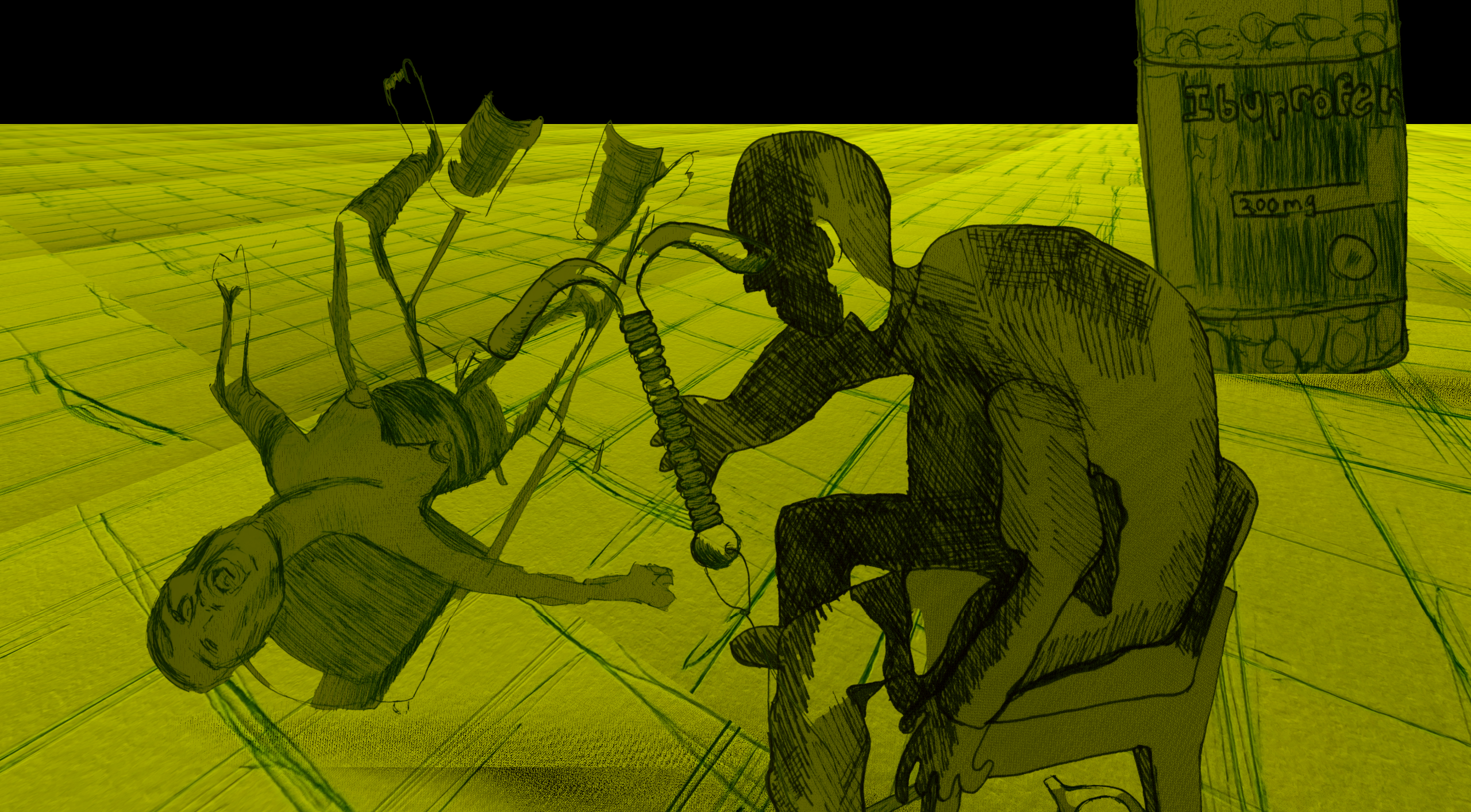
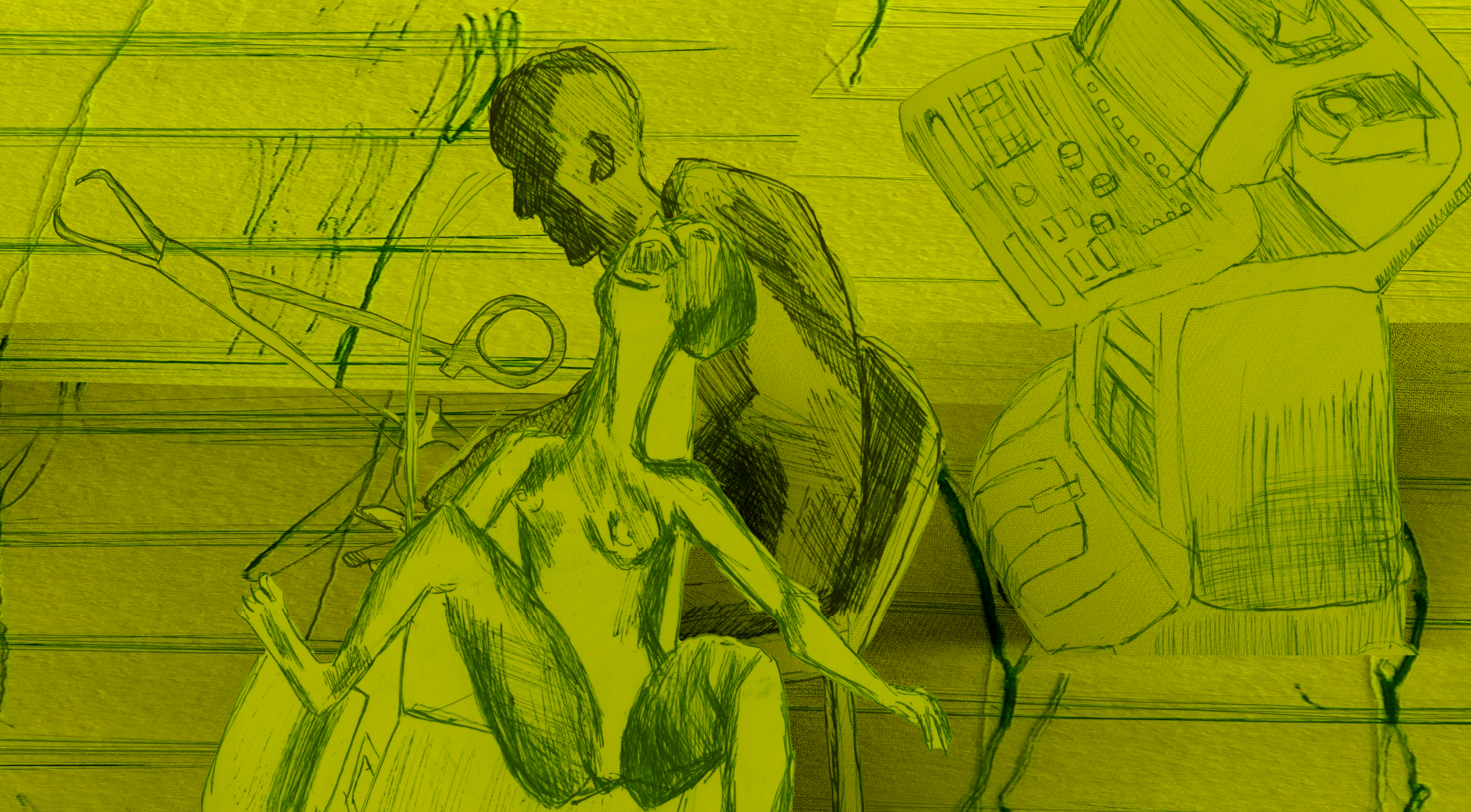
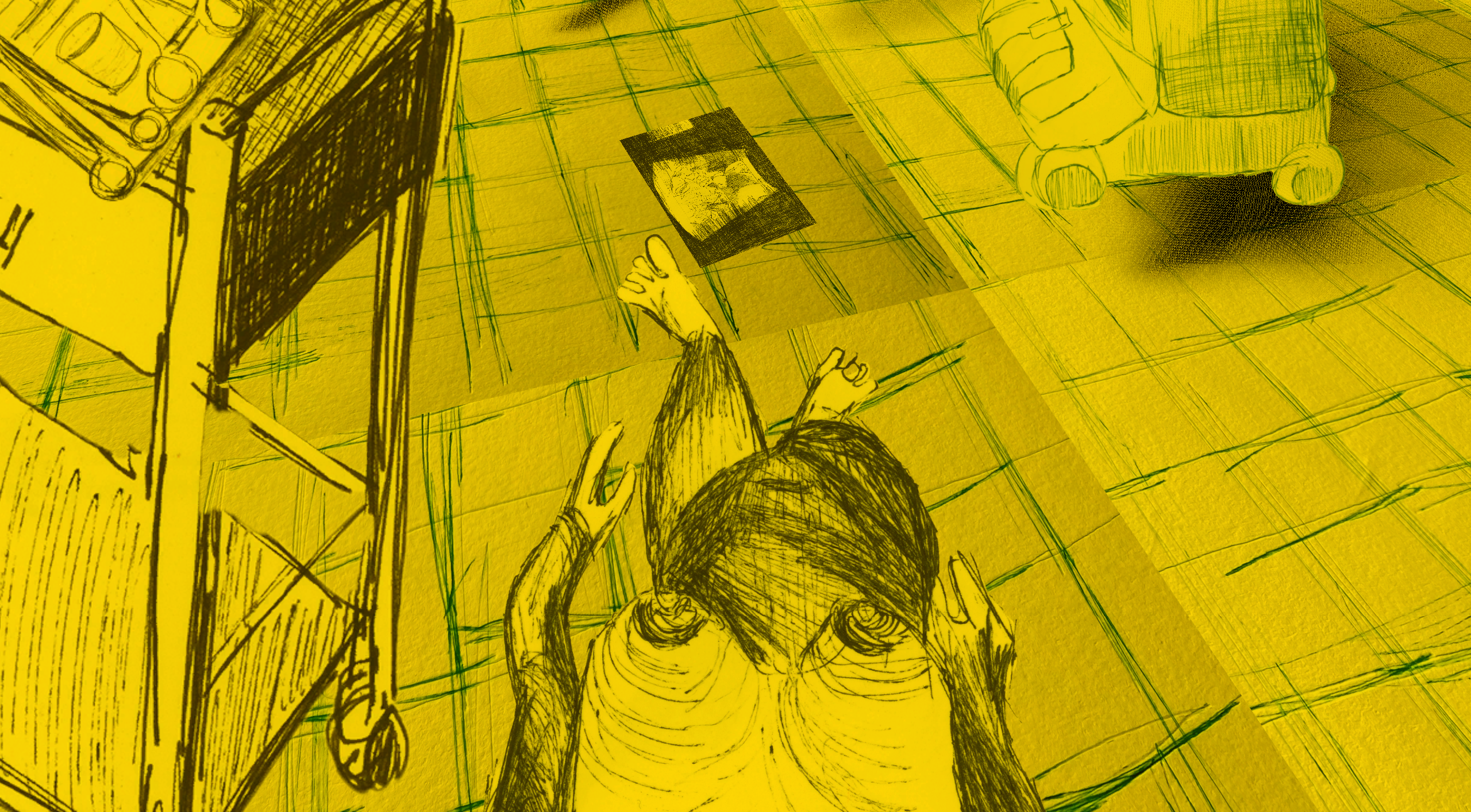
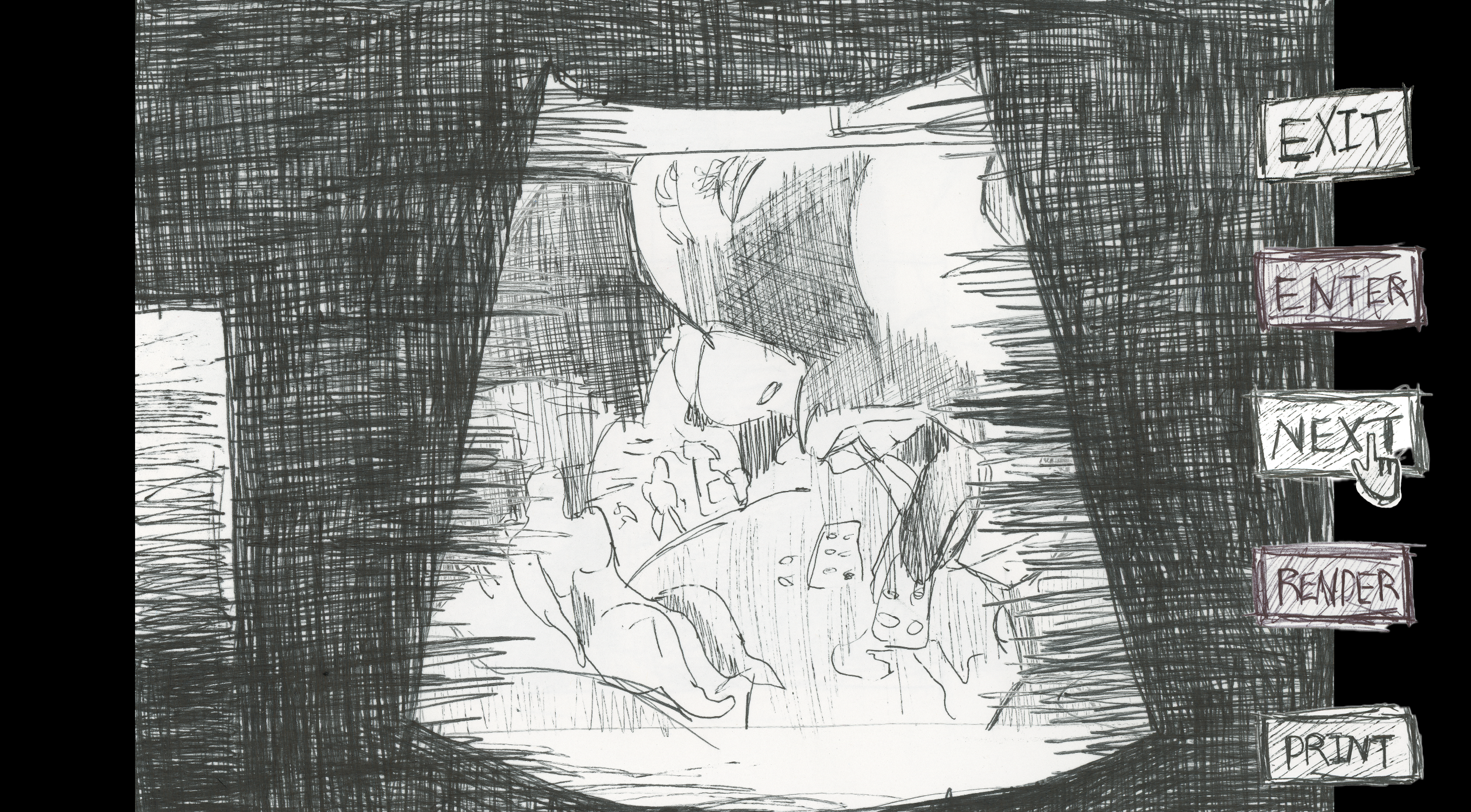
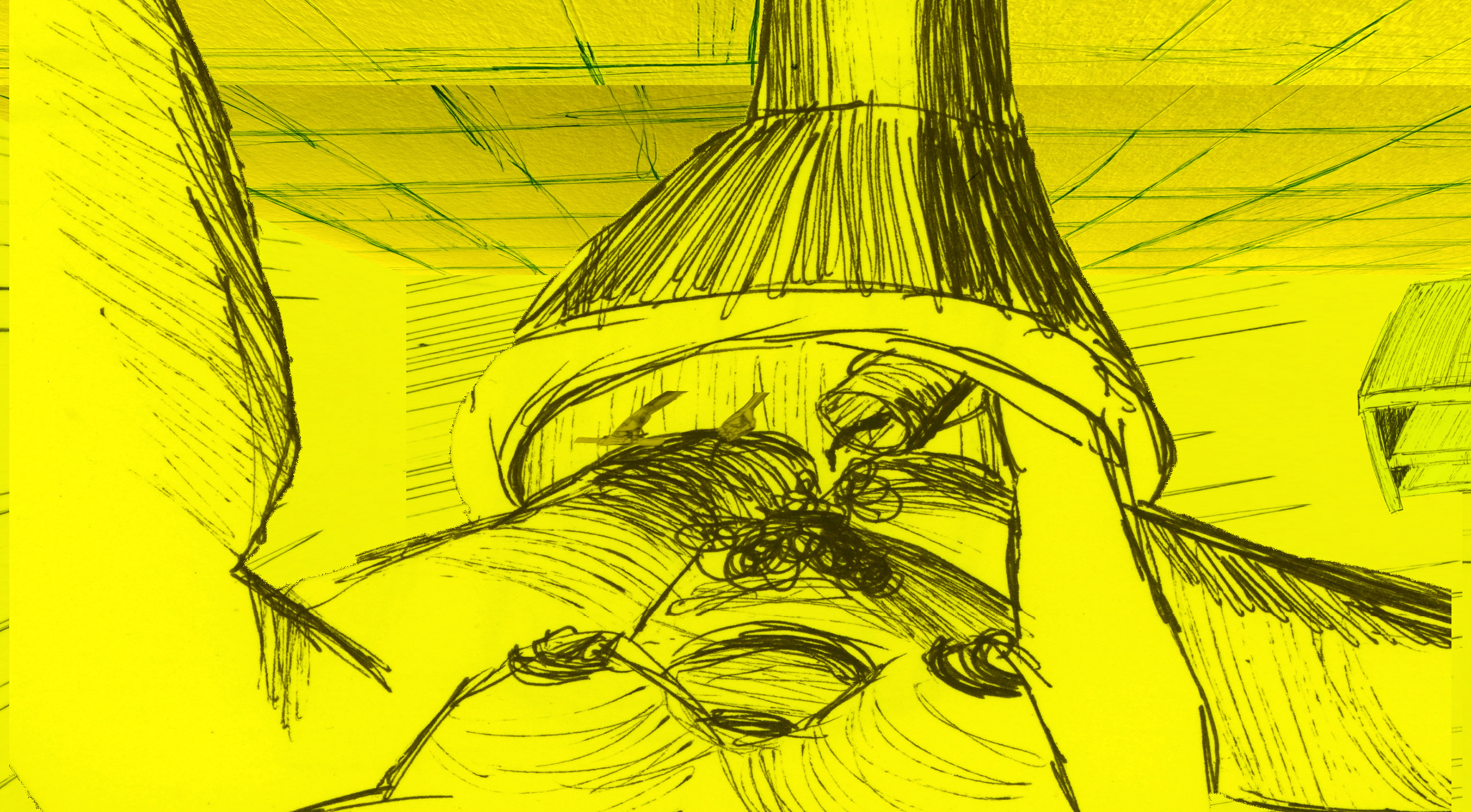
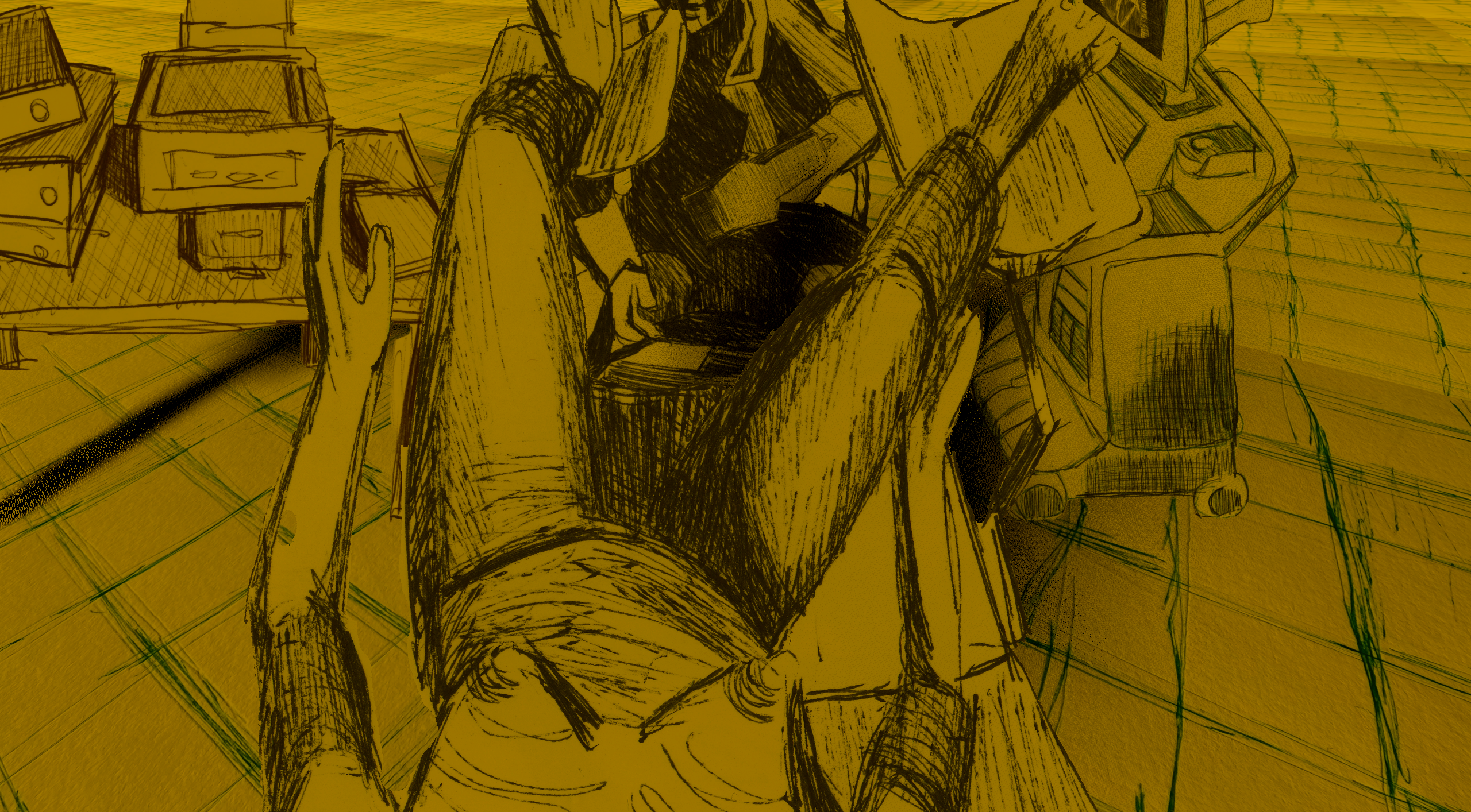
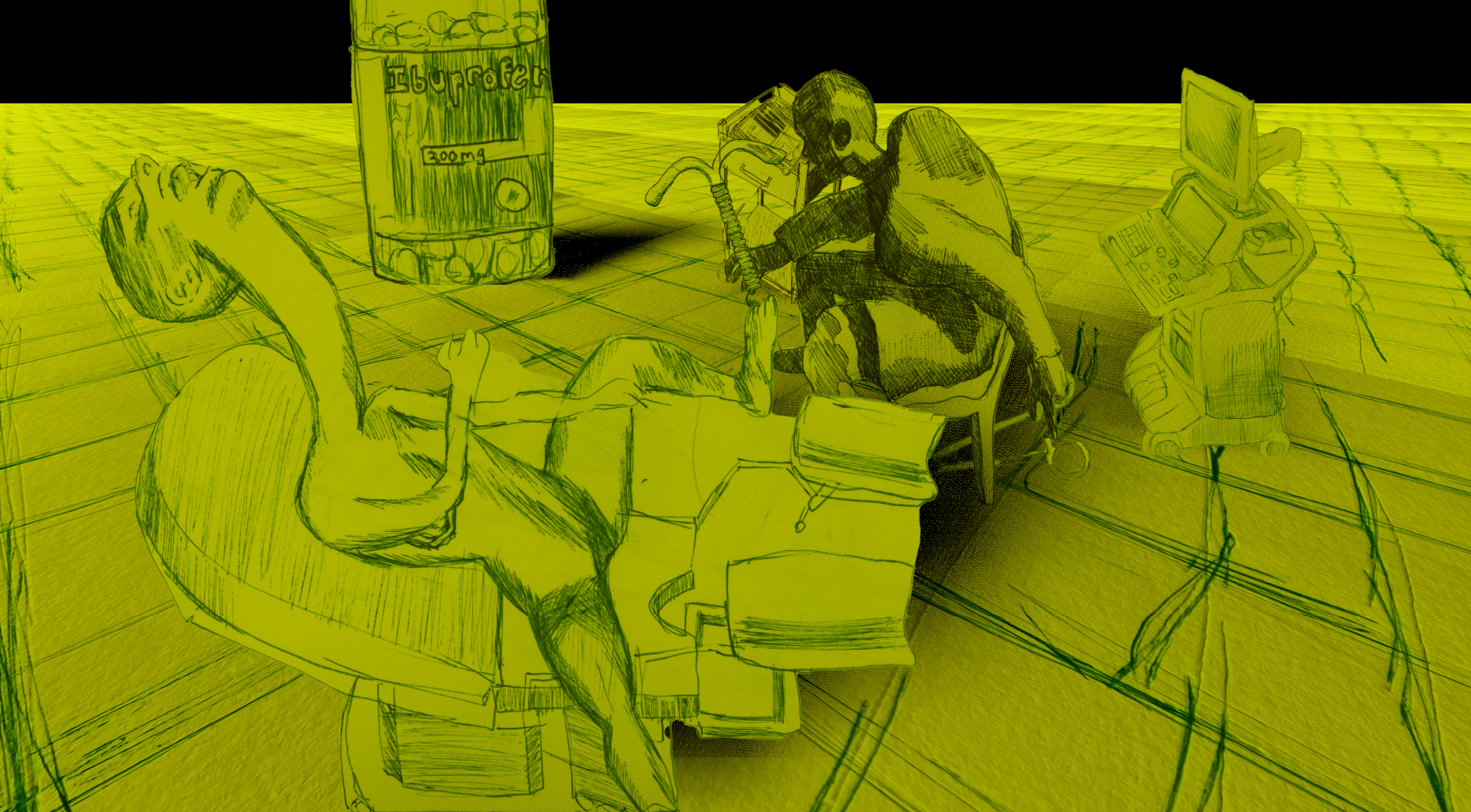
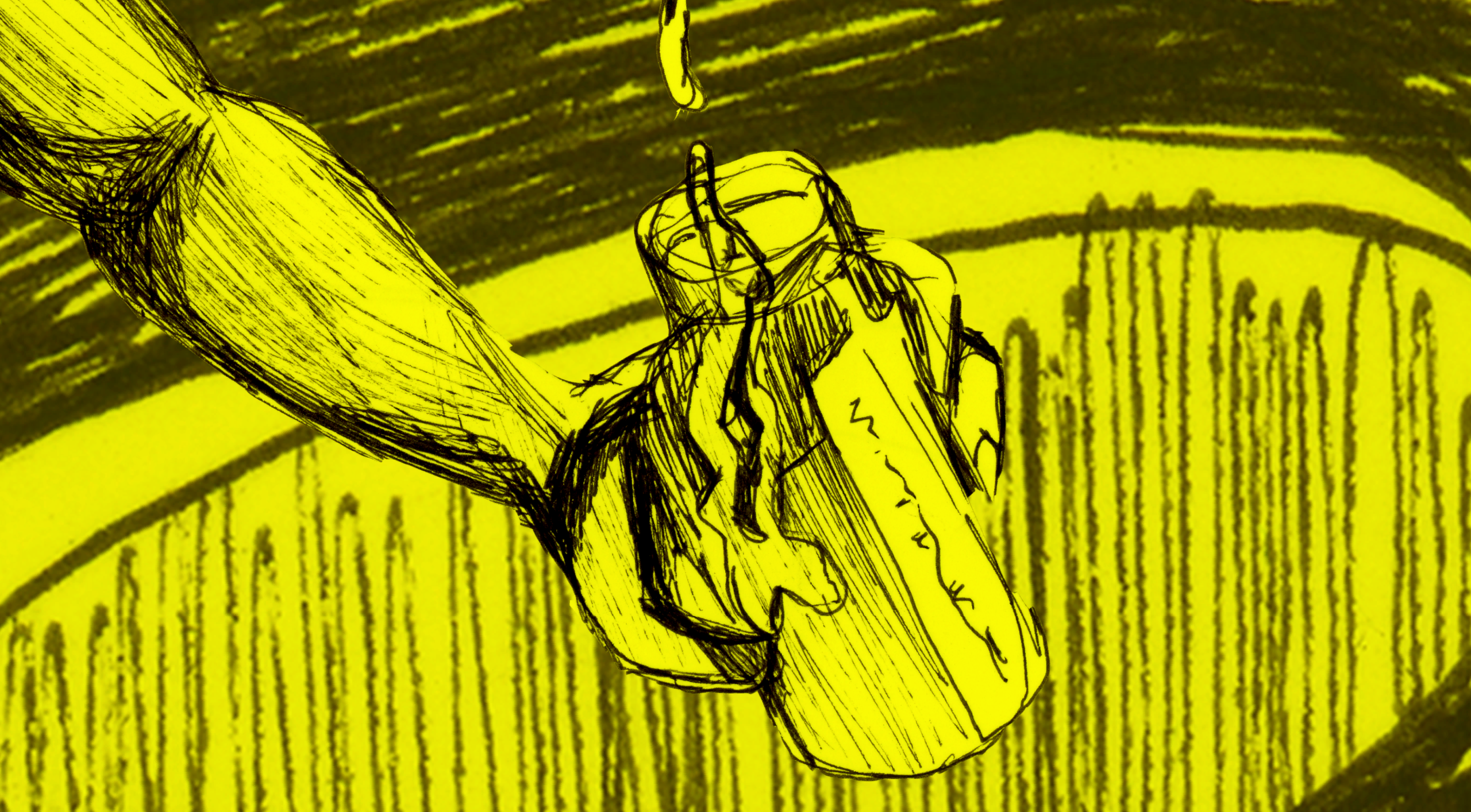
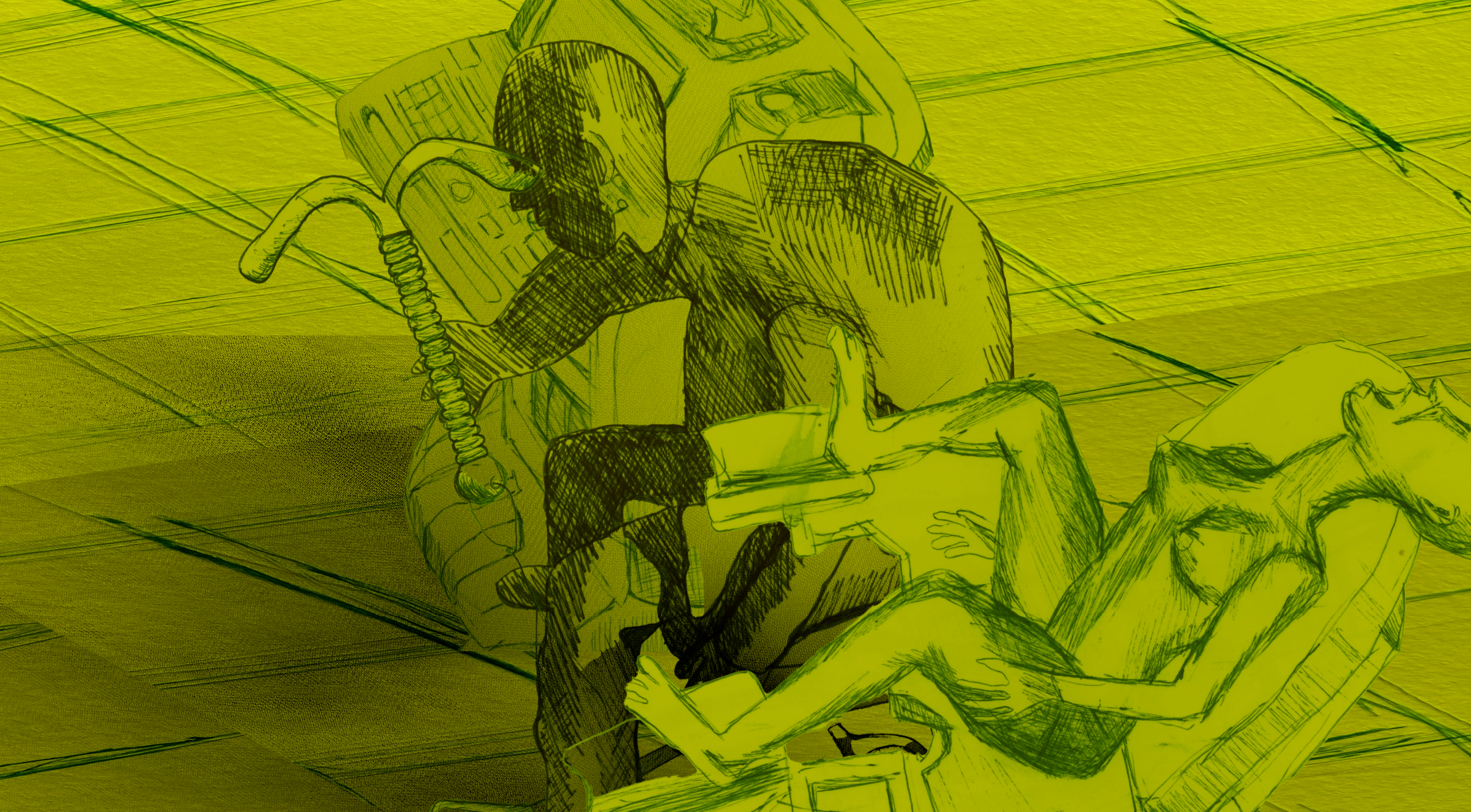
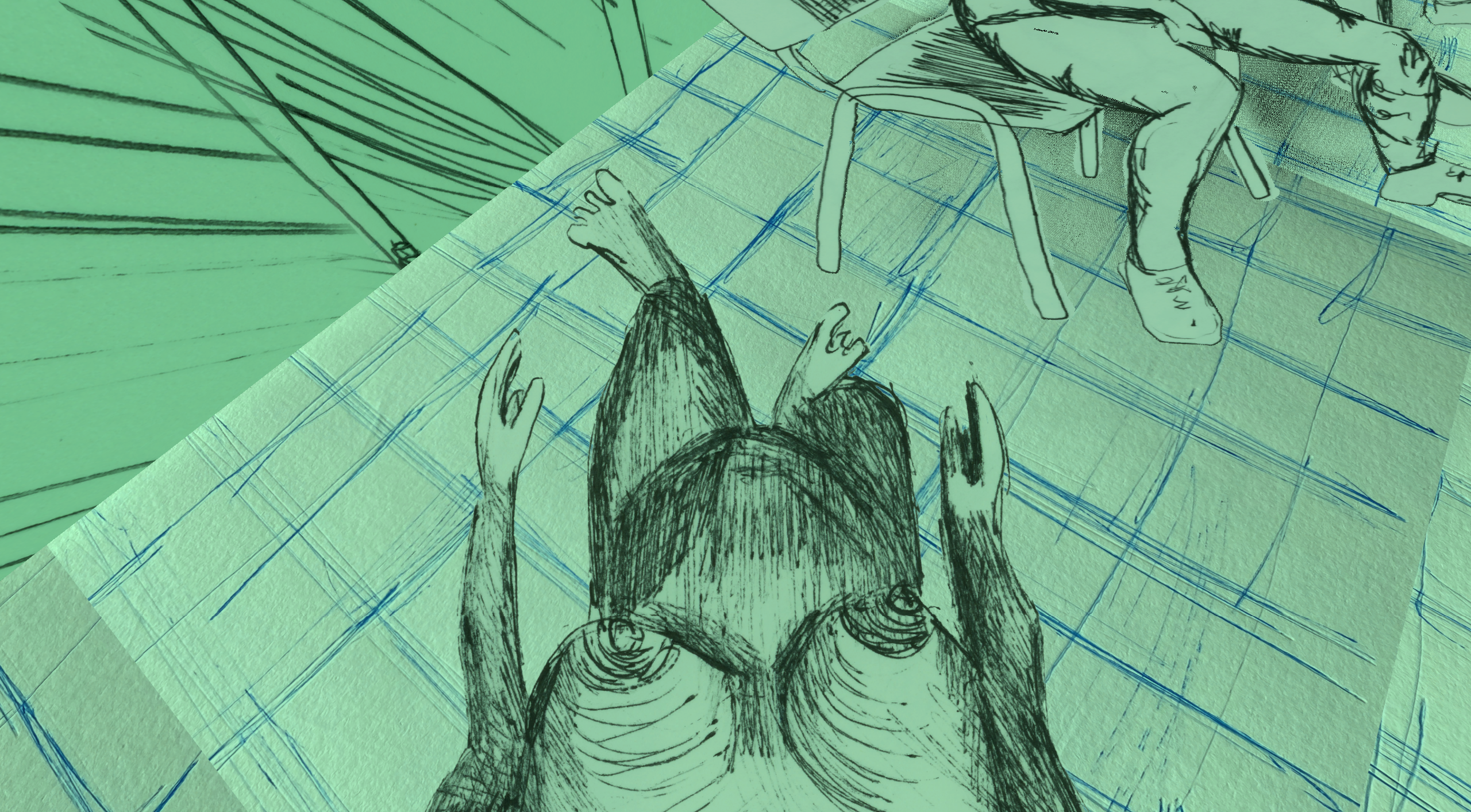
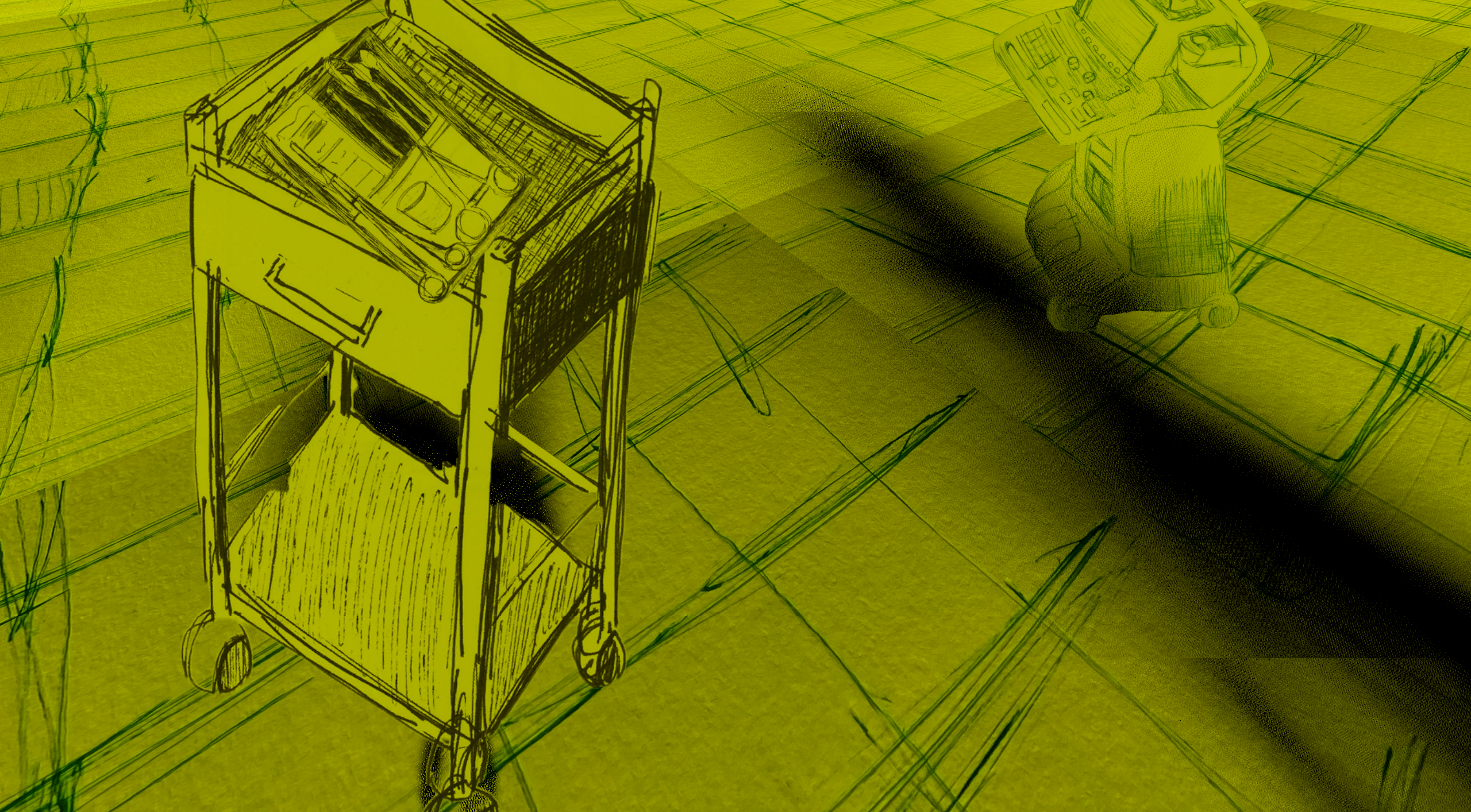
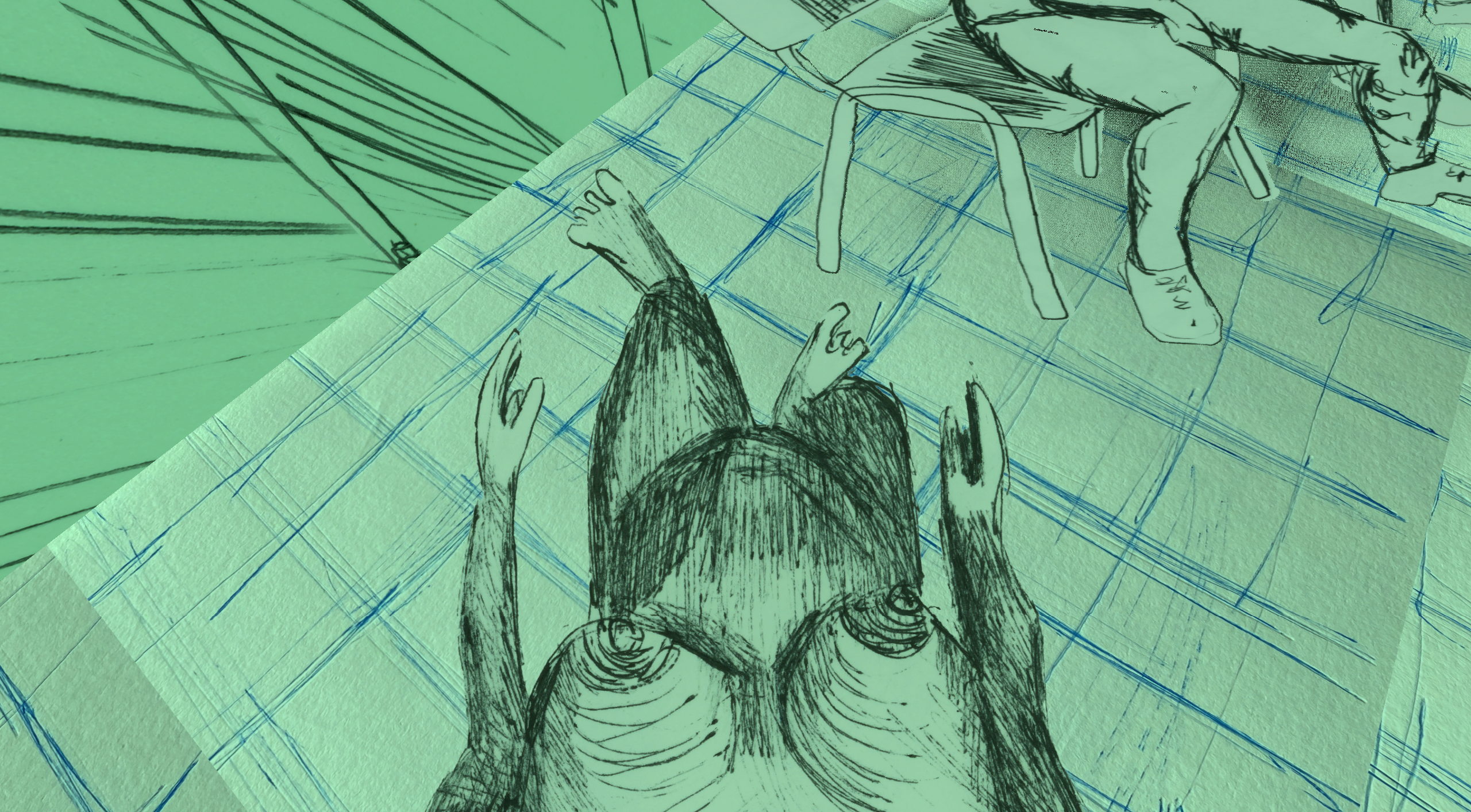
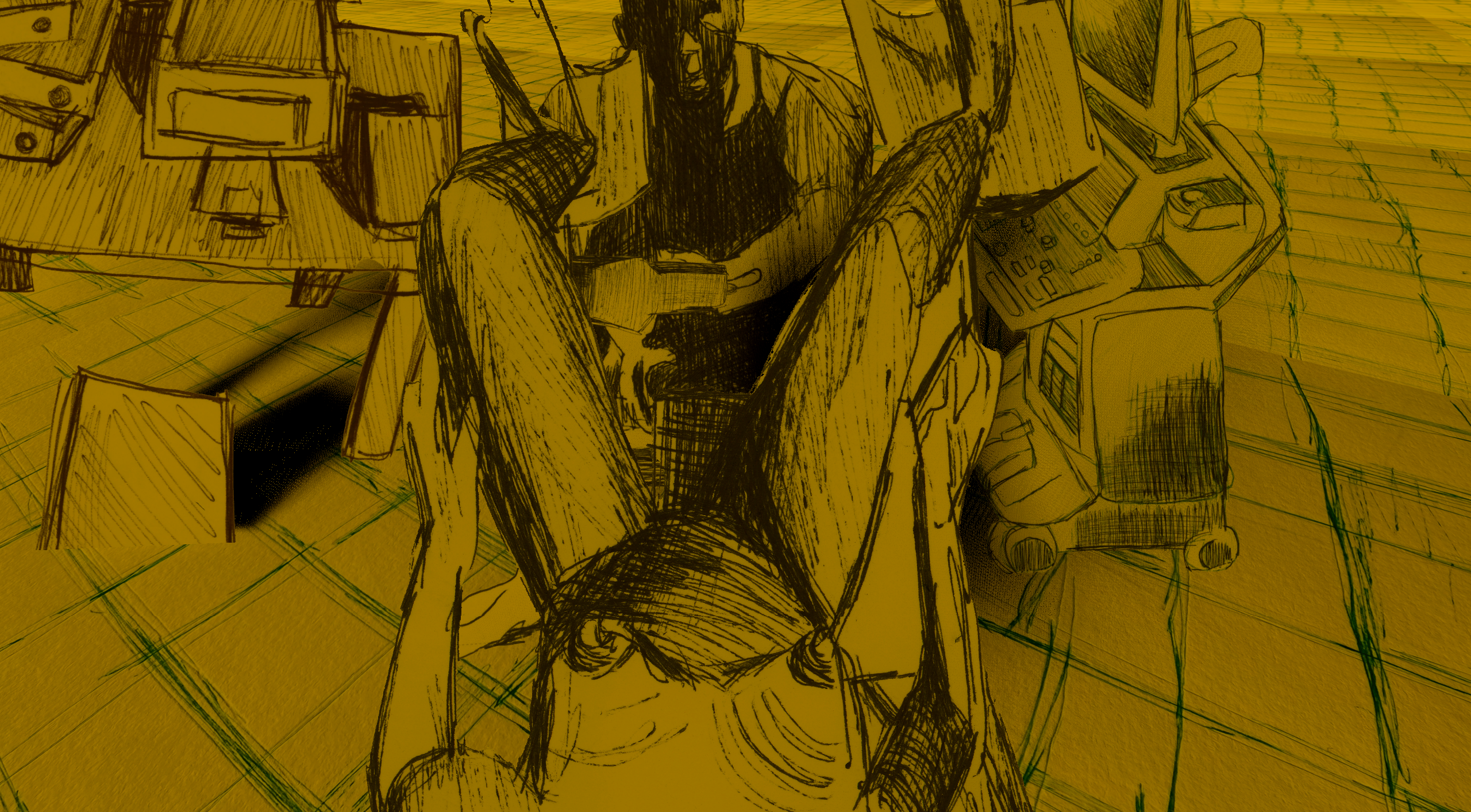
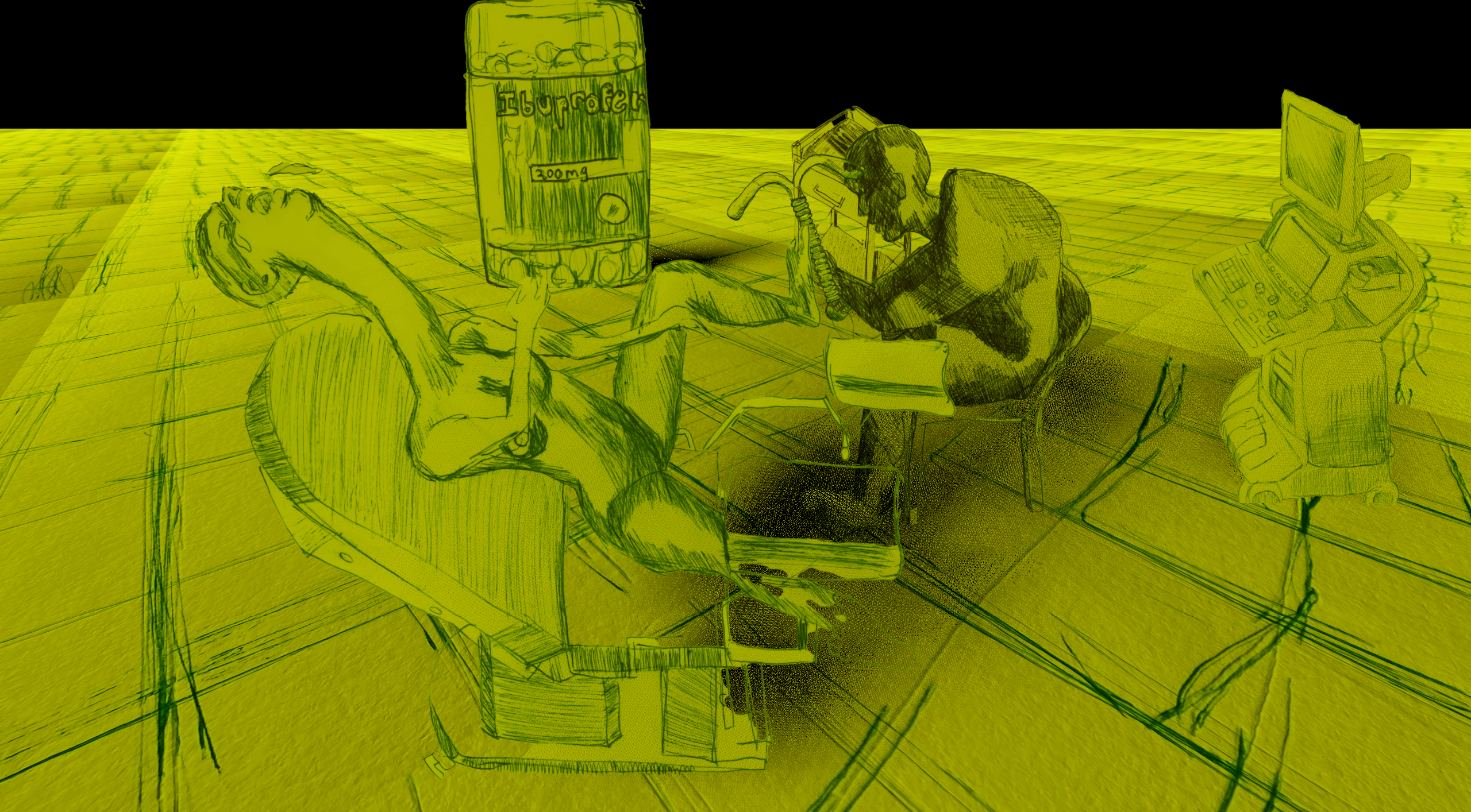
Then the ultrasound machine calls you closer. You slip back into first person as the doctor  presses the probe inside you, searching for an image, translating your body into signal. When  you leave the OBGYN, you are tethered to a giant hand in a bloodied bathroom. You remove a  tampon and drop it into a toilet that refuses to flush. Suction pulls you through a vaginal opening  and into the first biome.