OBGYN

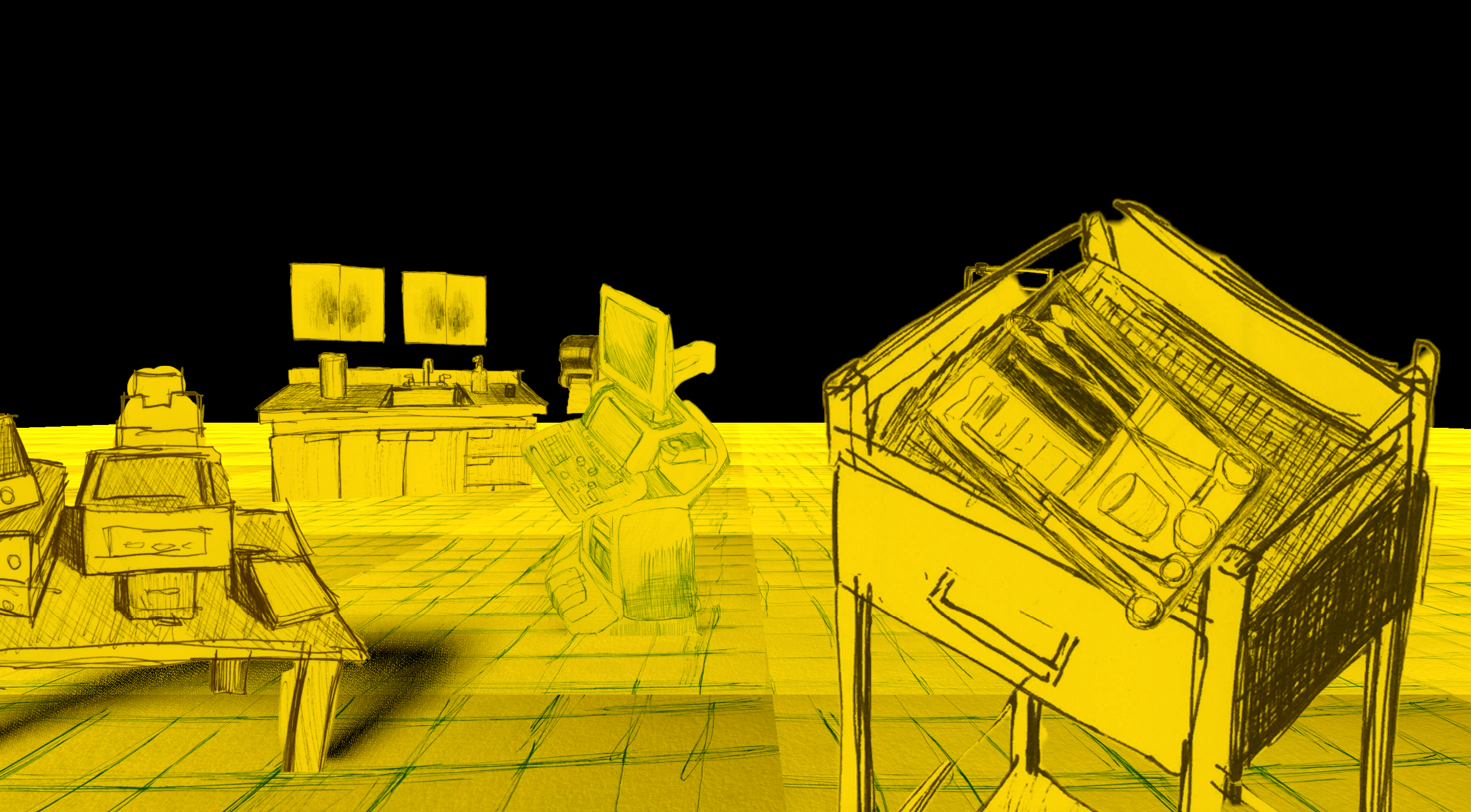
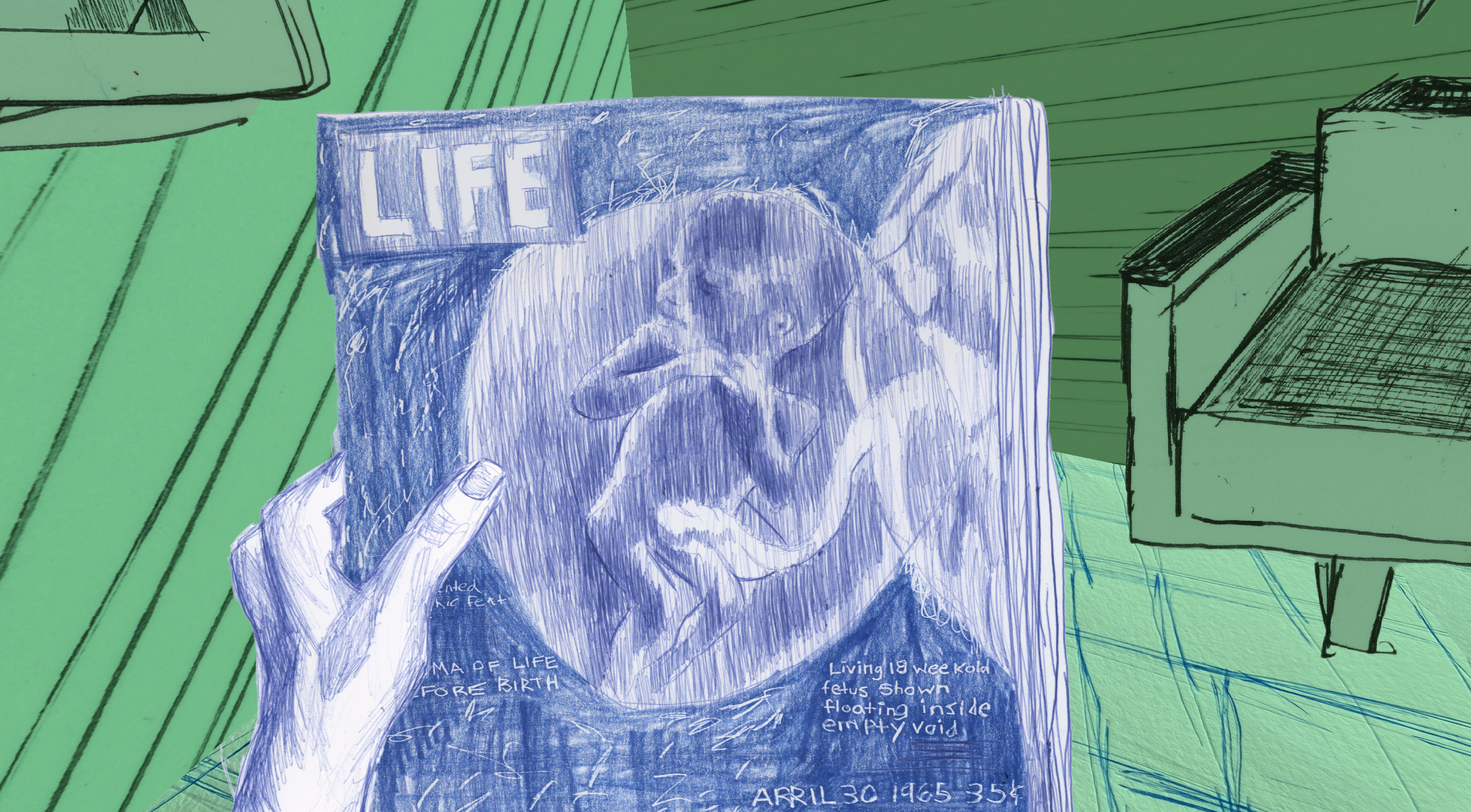
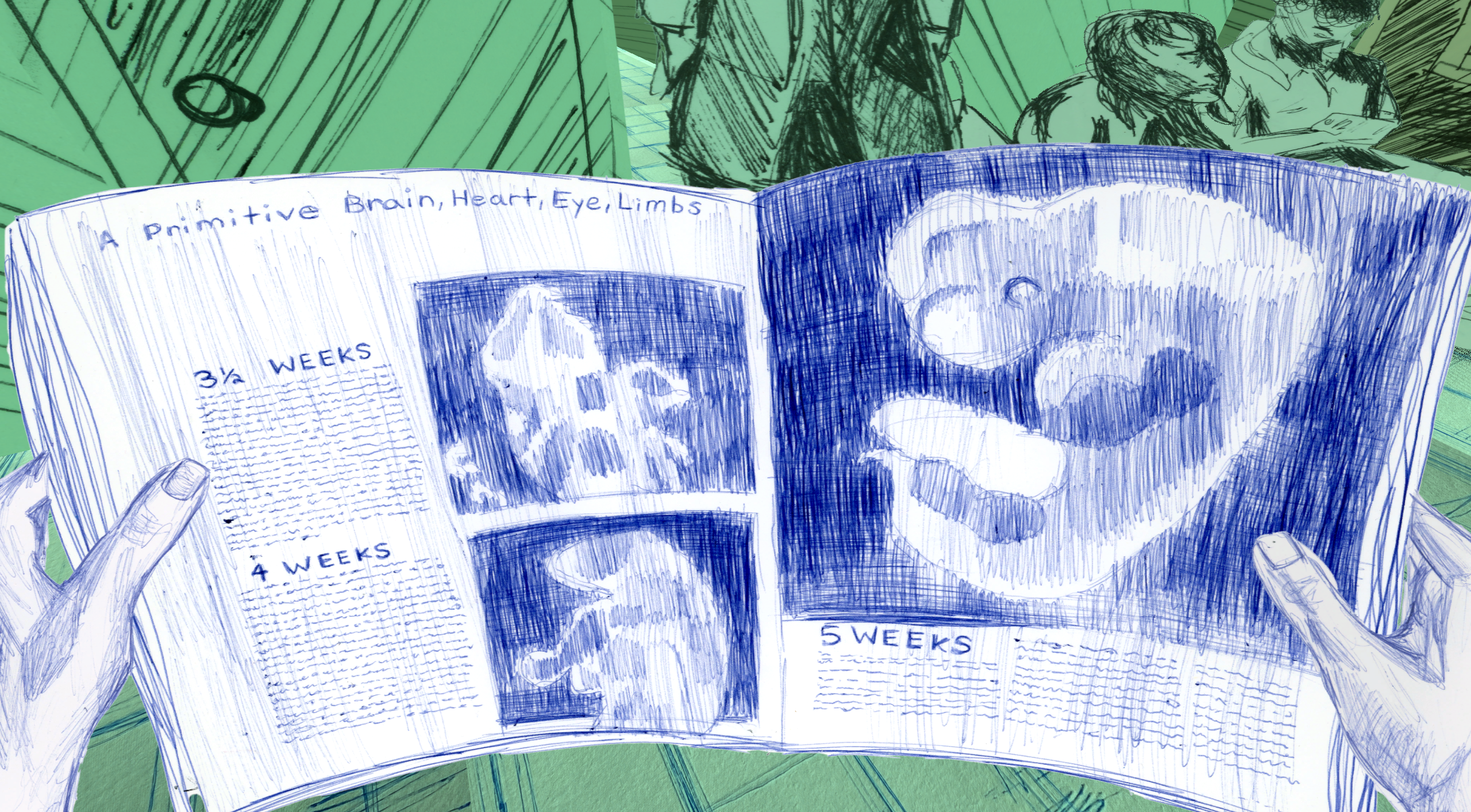
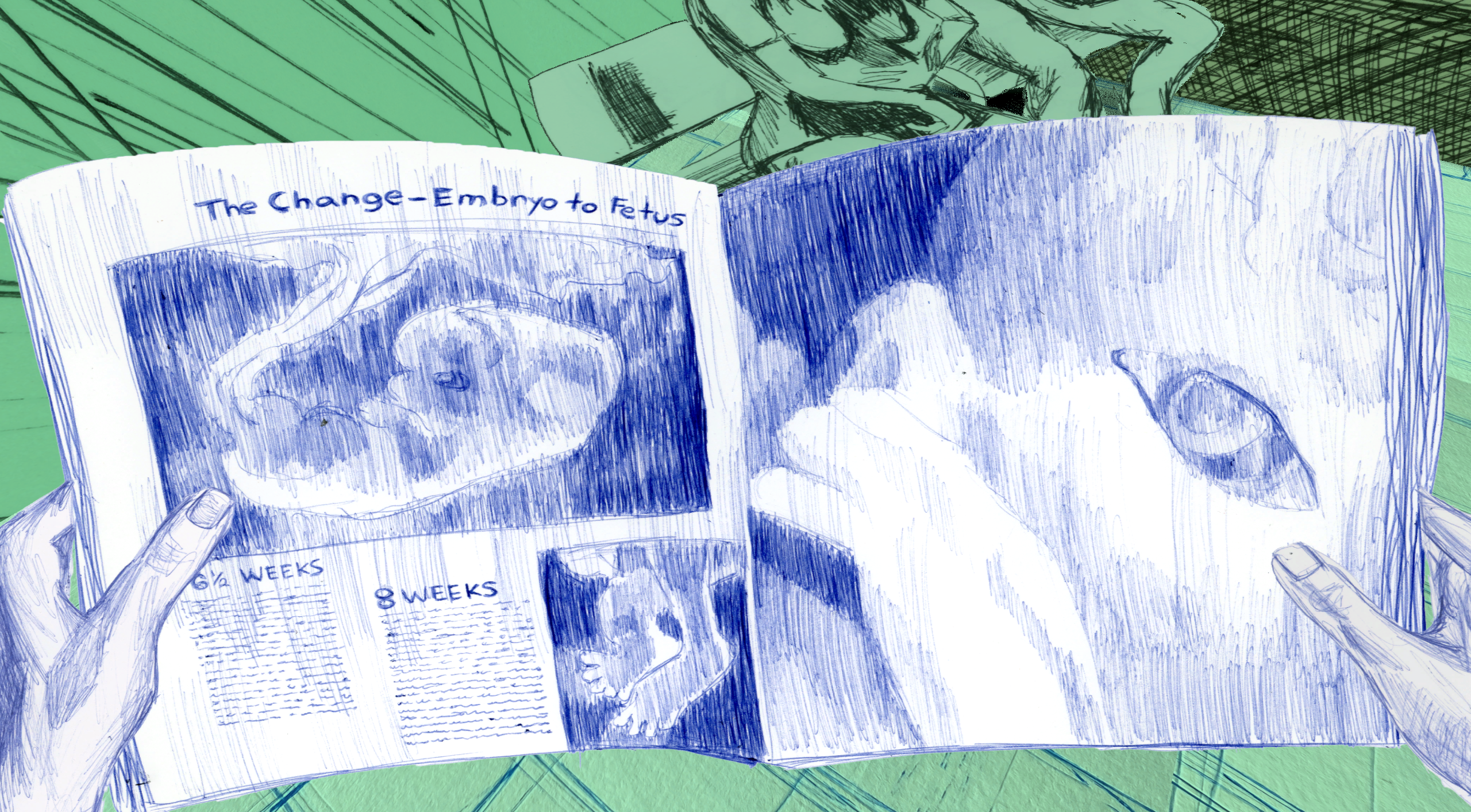
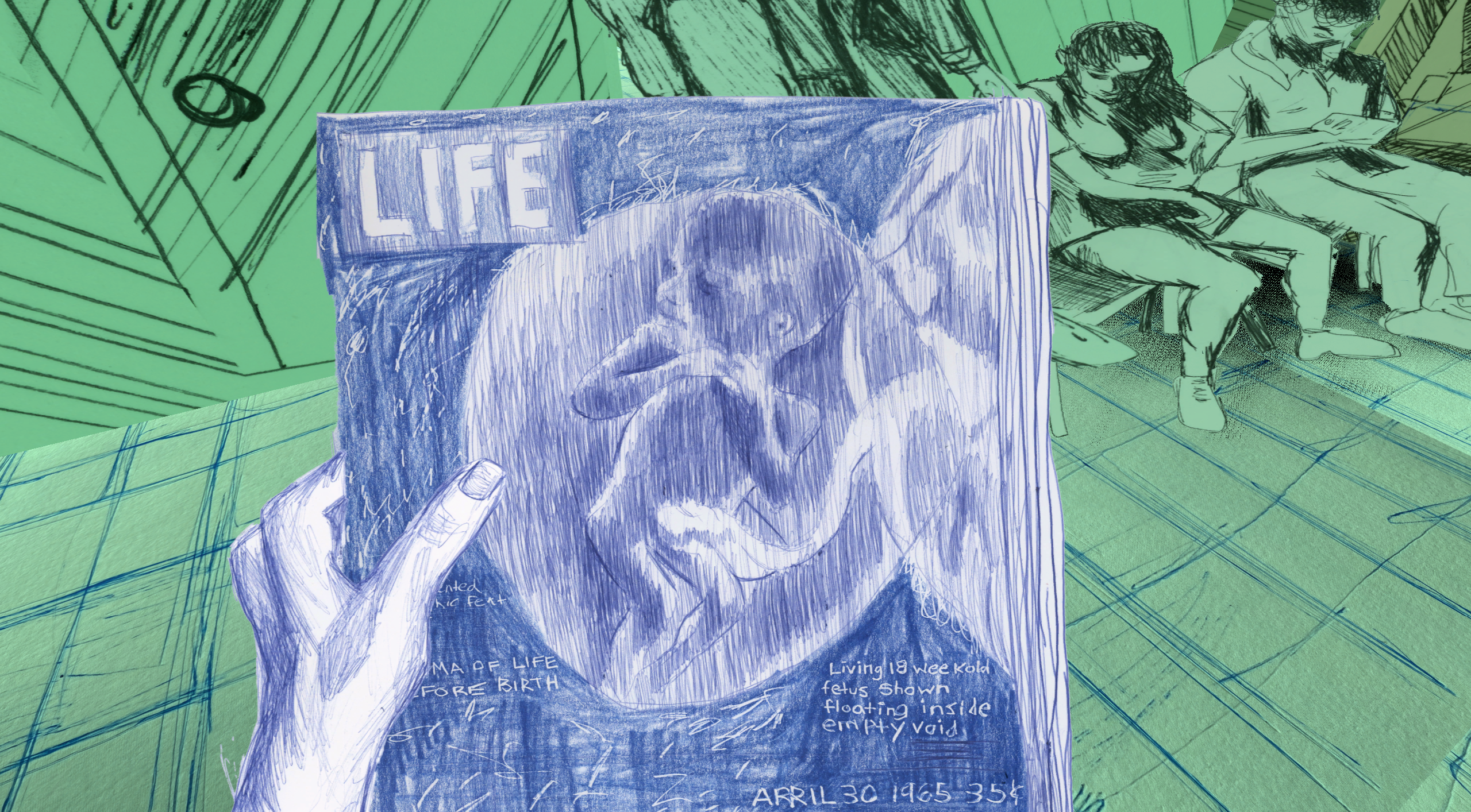
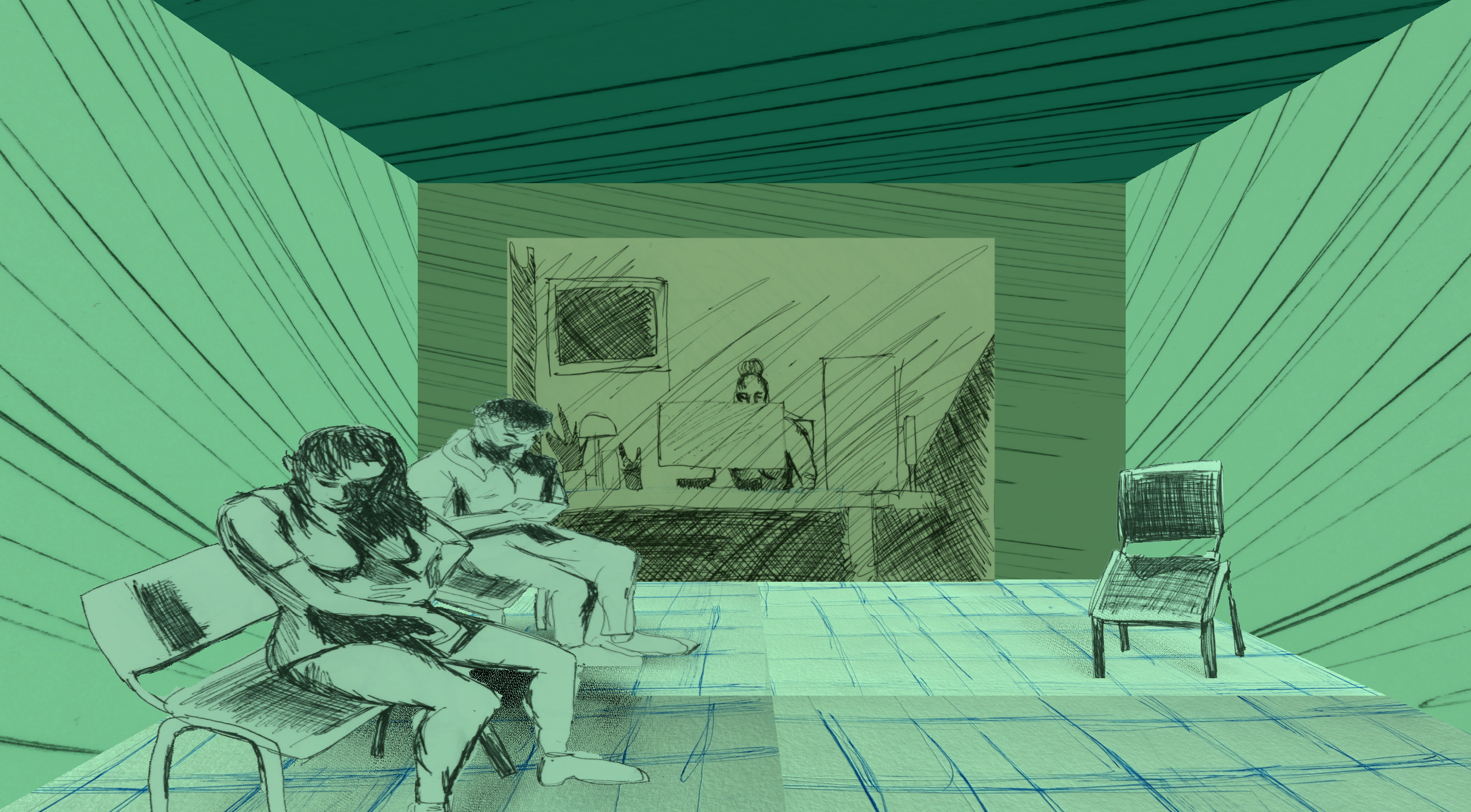
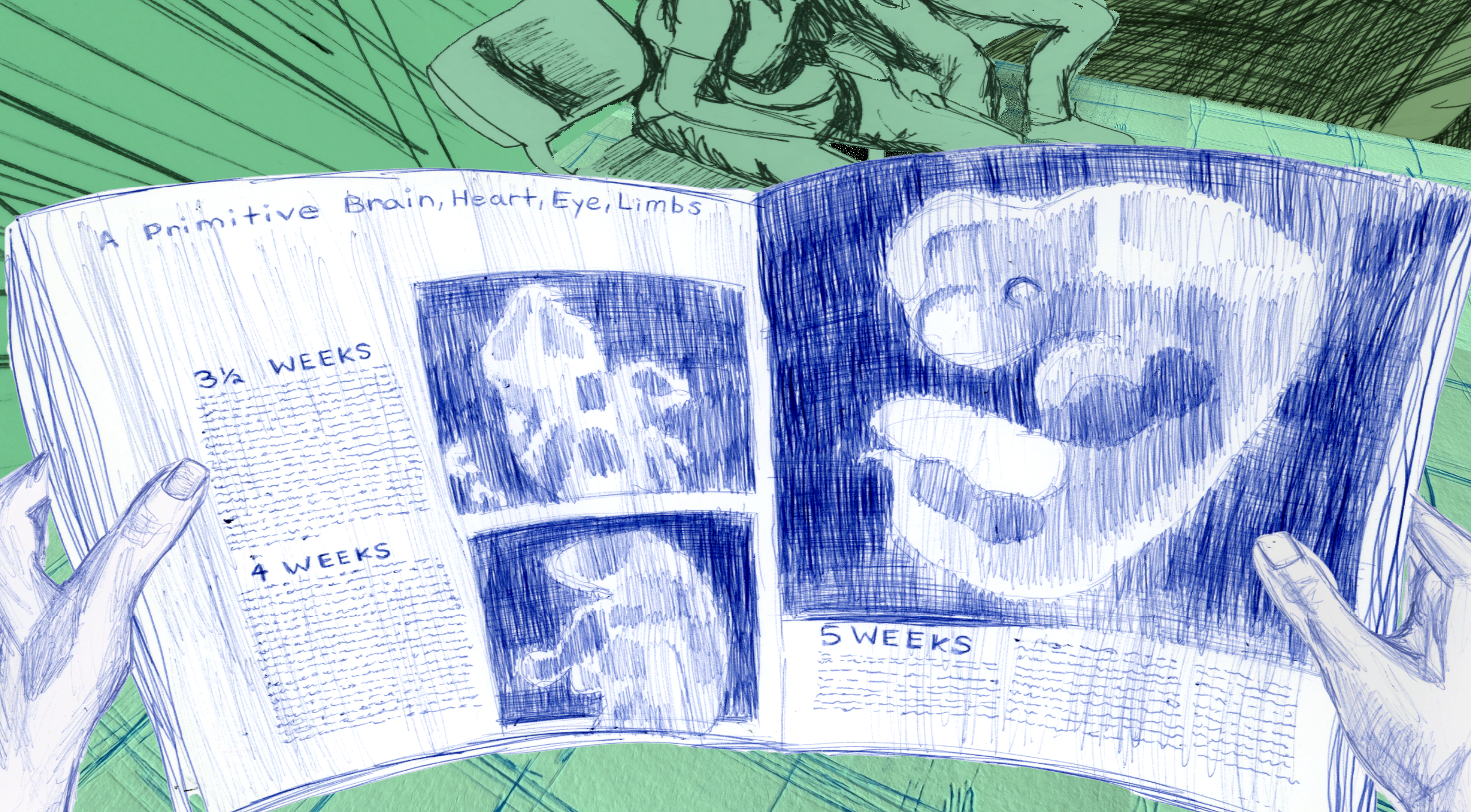
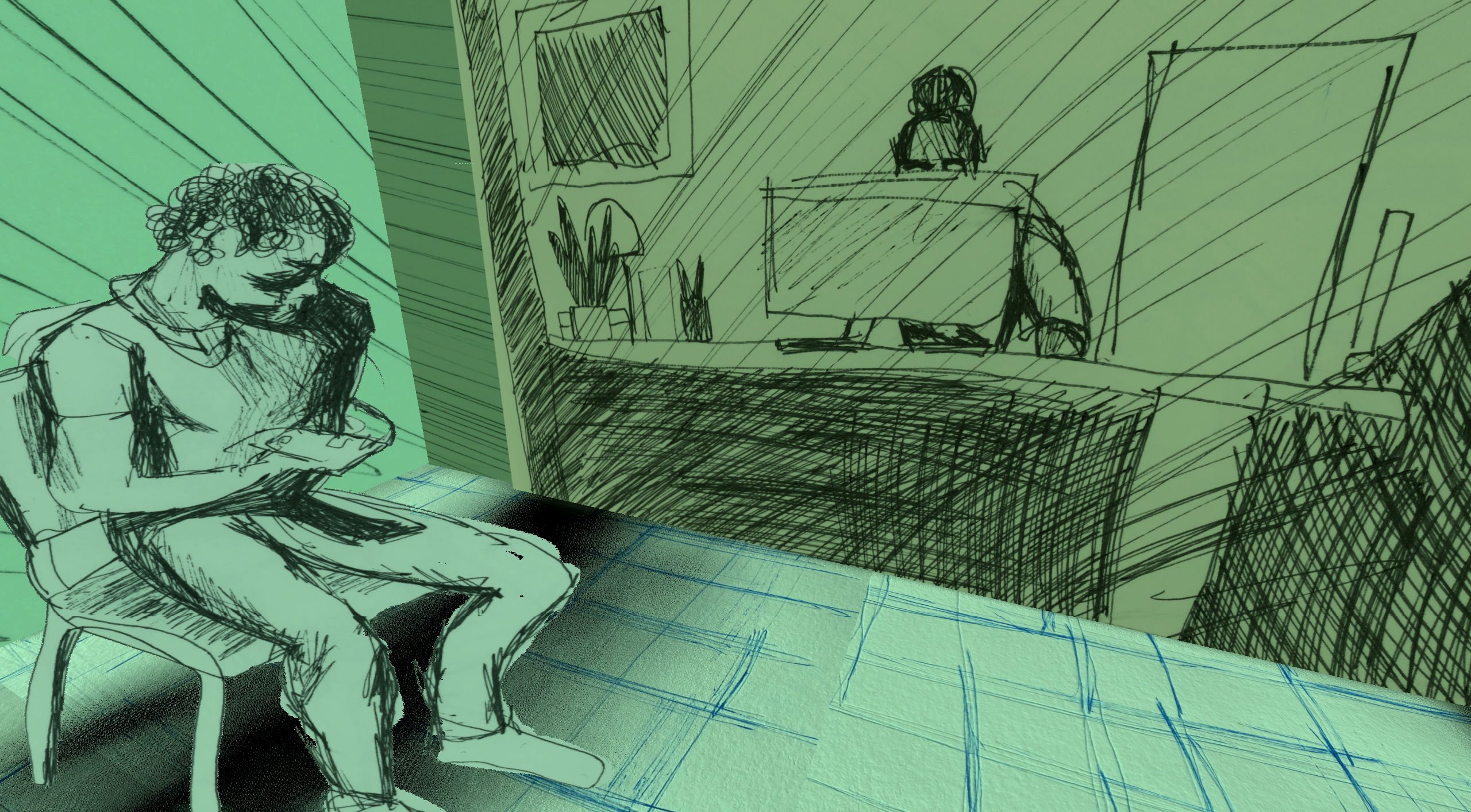
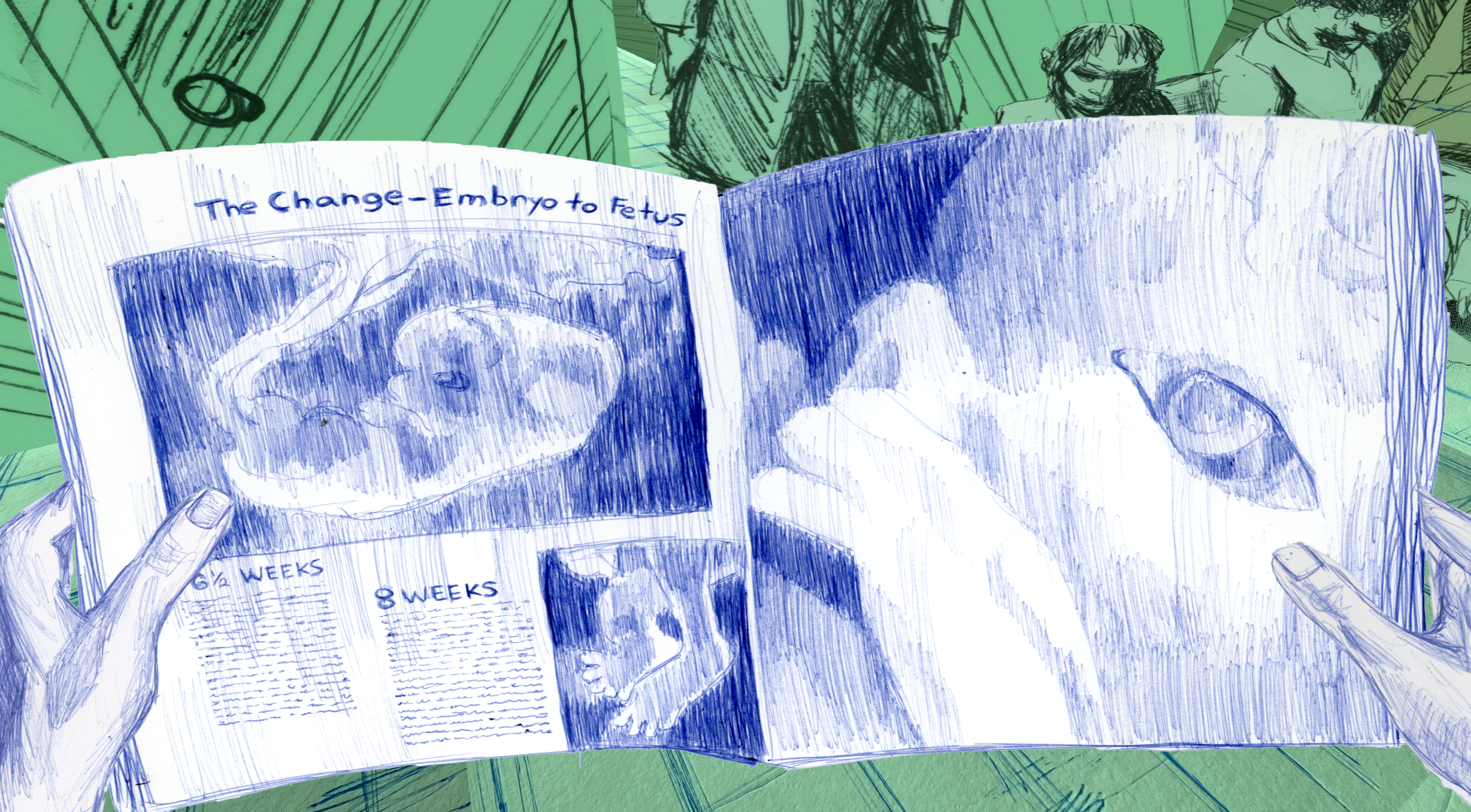
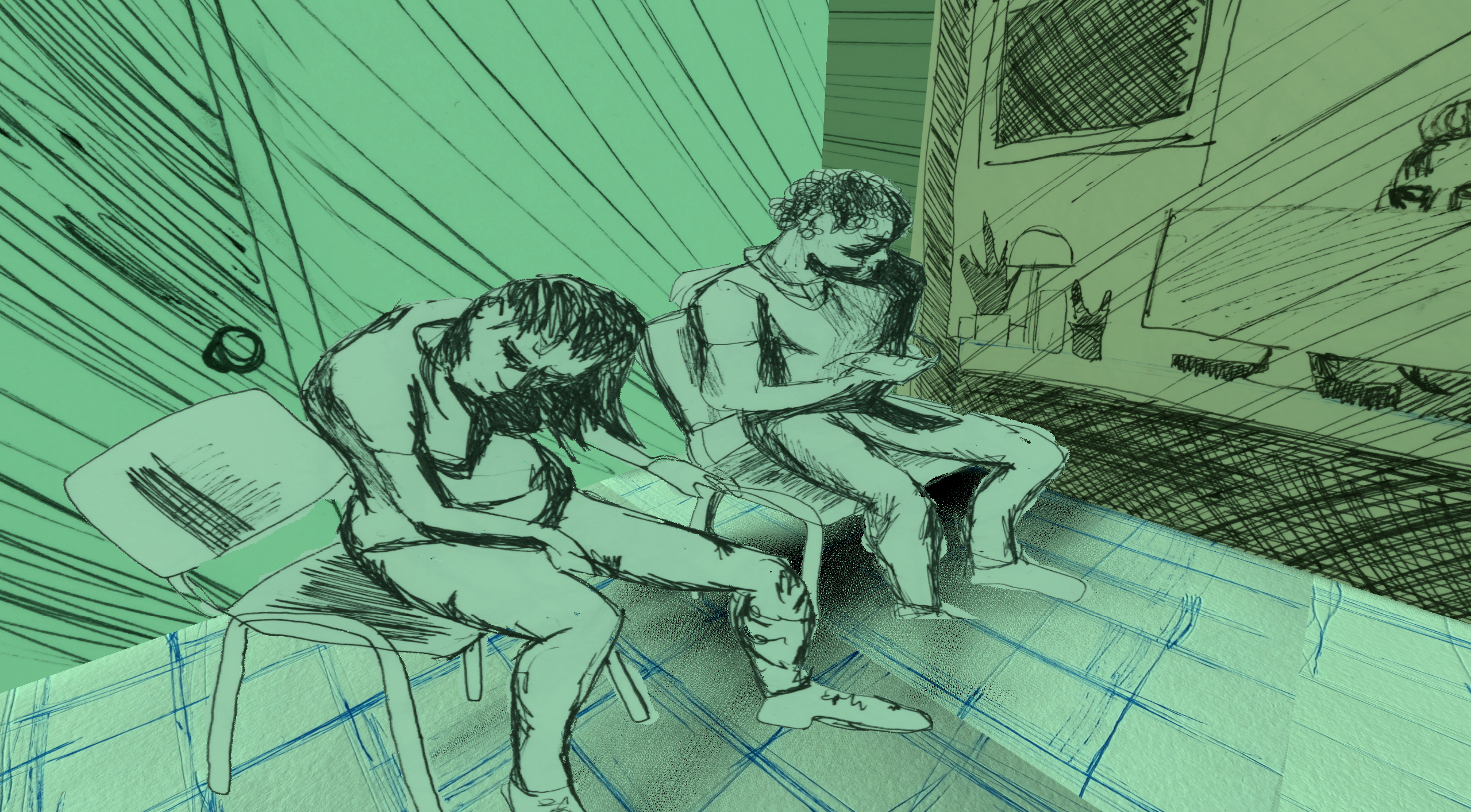
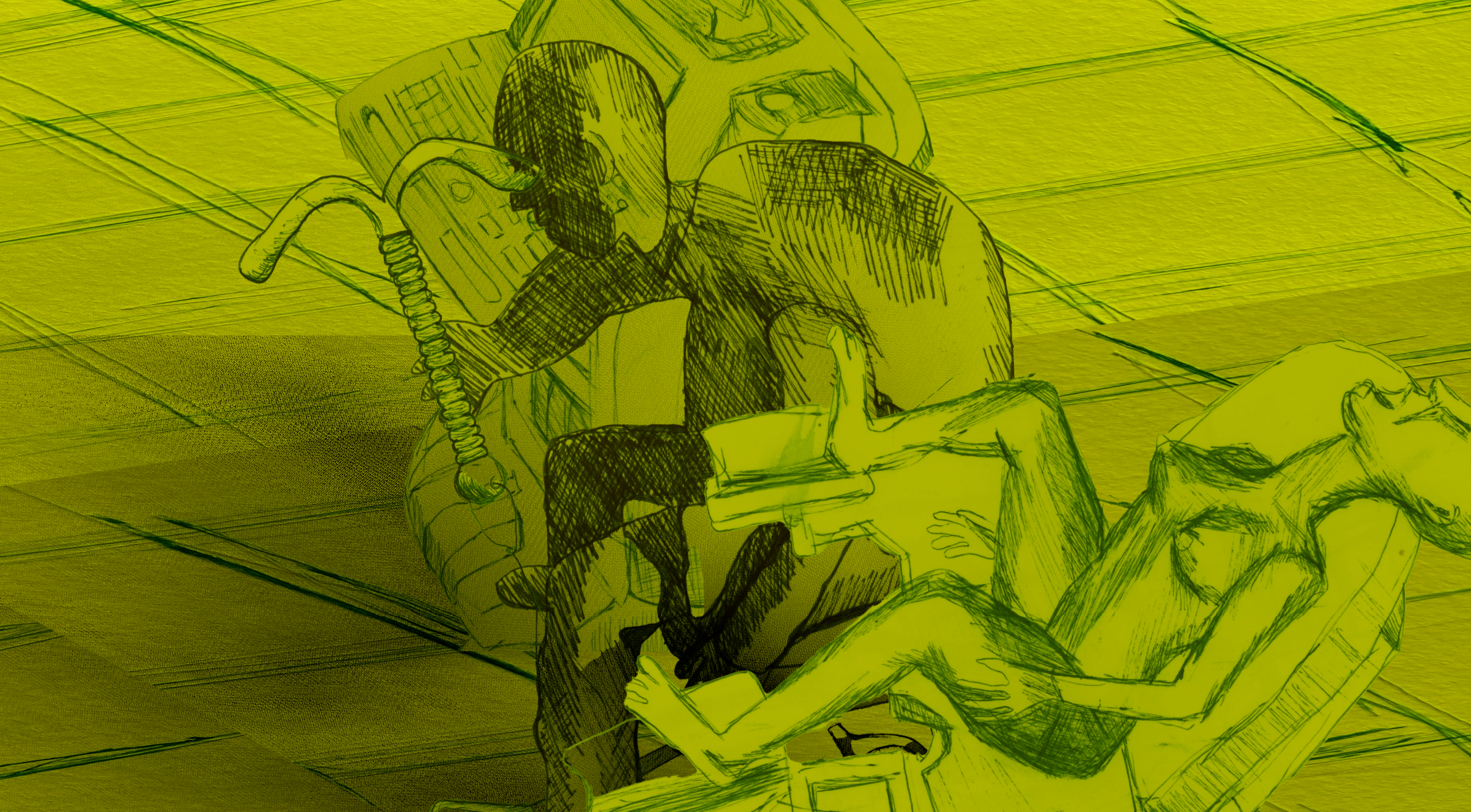
You are in a waiting room, suspended in that stretched, humming kind of time that belongs to clinics. In front of you sits a couple: a pregnant woman fidgeting with nervous, birdlike gestures, and beside her, a man whose eyes are pinned to the glow of his phone as if it could deliver him elsewhere. The receptionist watches over the room with the stillness of a guard at the threshold of another world. Nervous, you pick up a magazine from the table. When you lift it, you find the Life image from Lennart Nilsson’s A Child Is Born: the fetus detached from the carrying body, floating in a blank celestial void where cords, context, and consent have vanished.

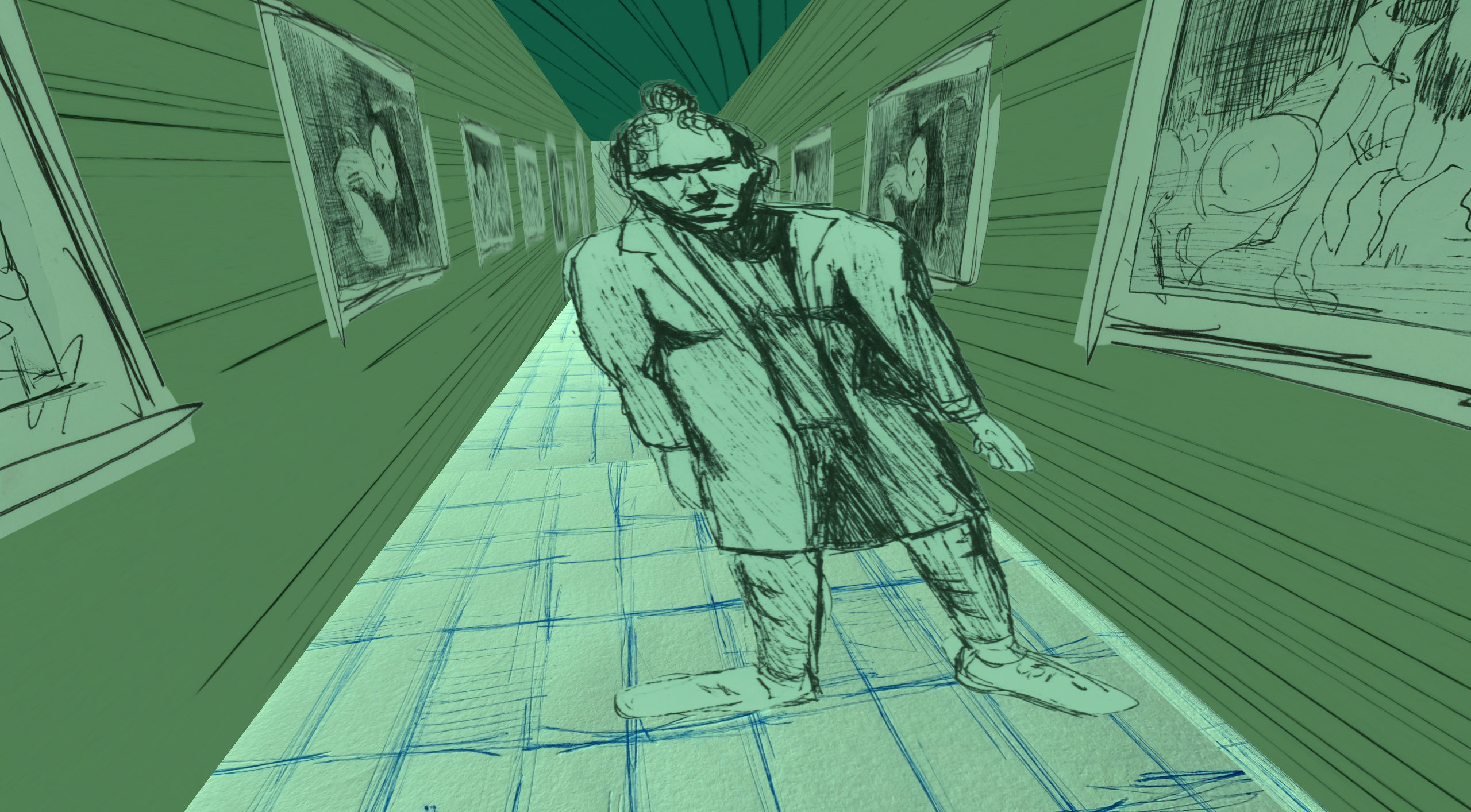
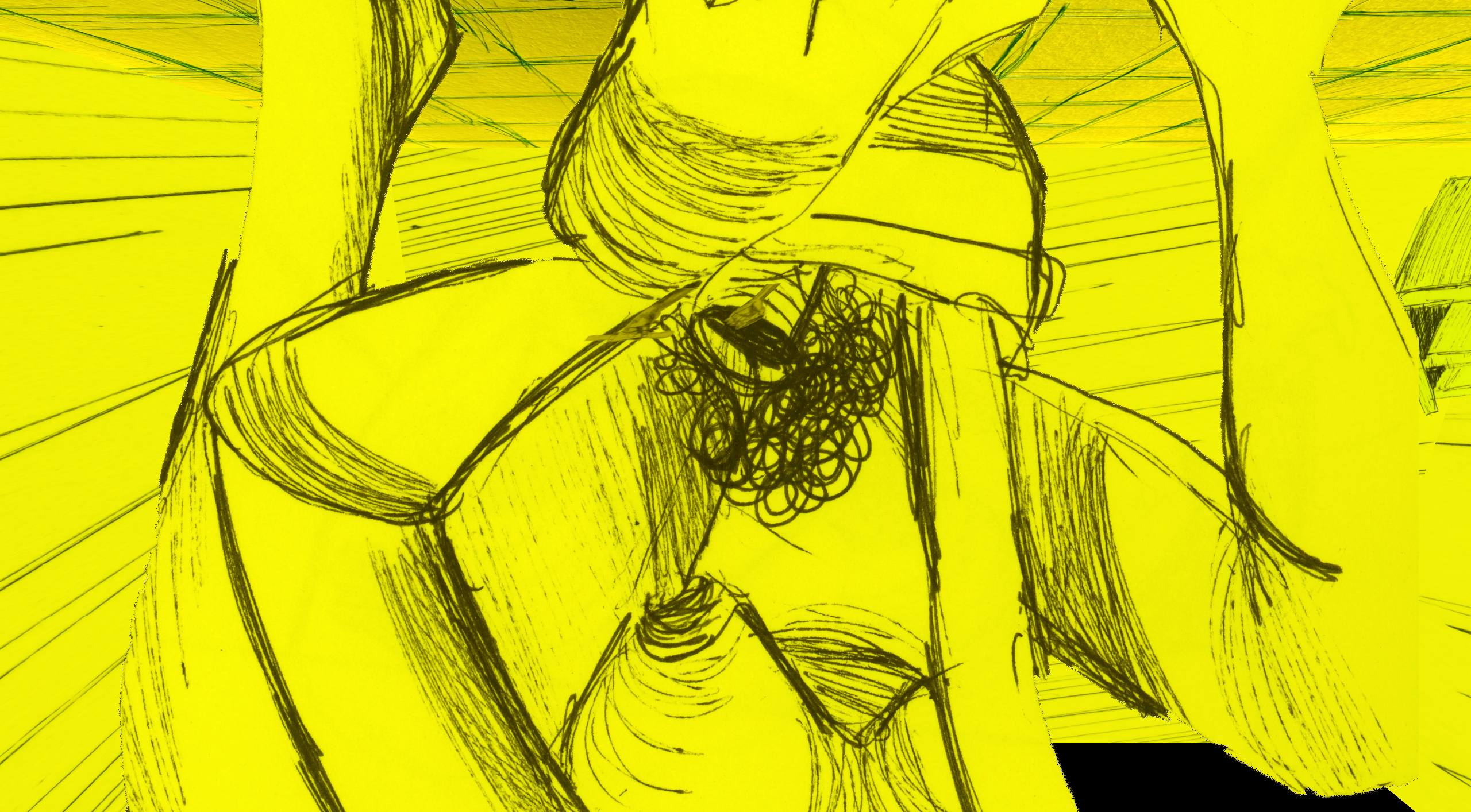
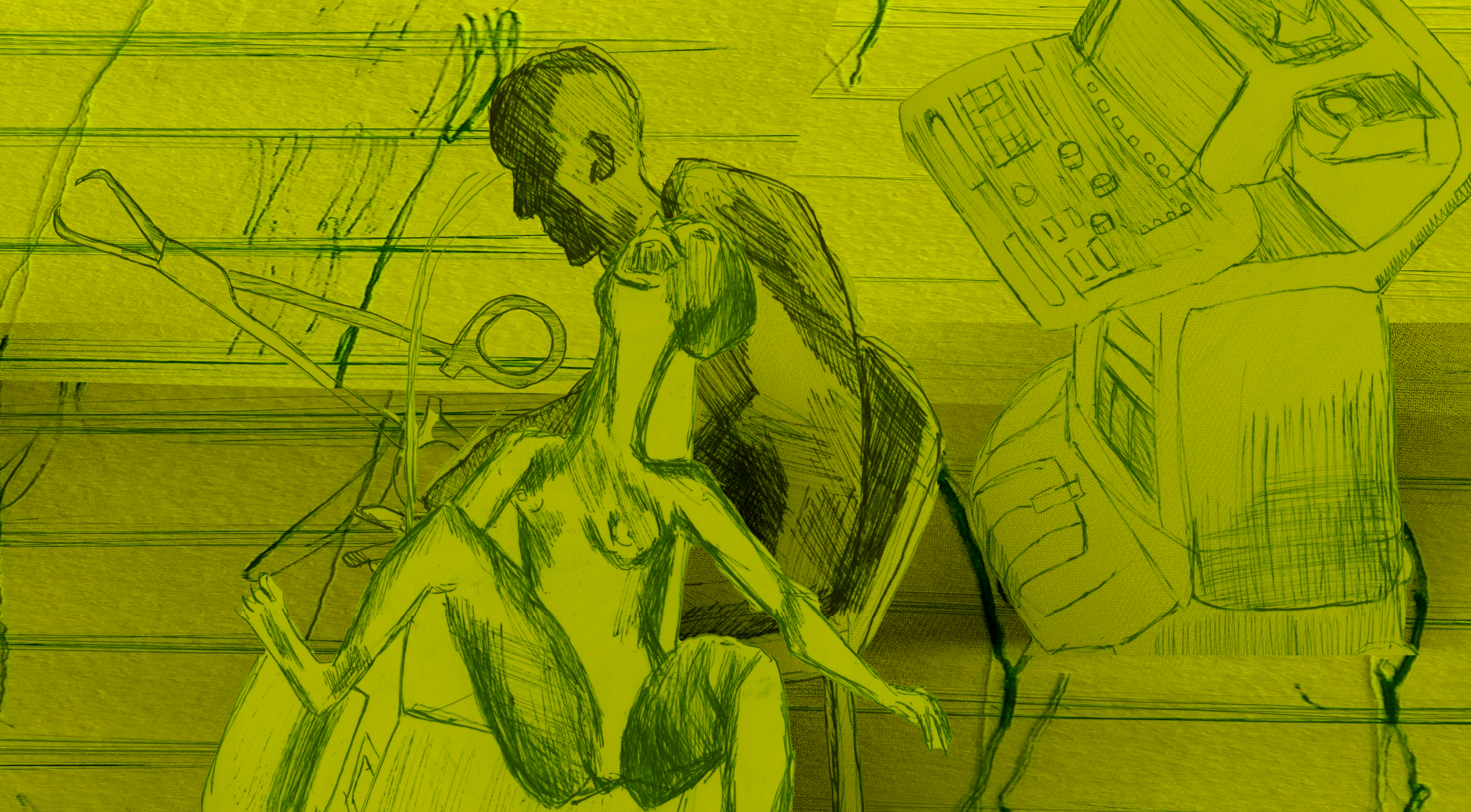
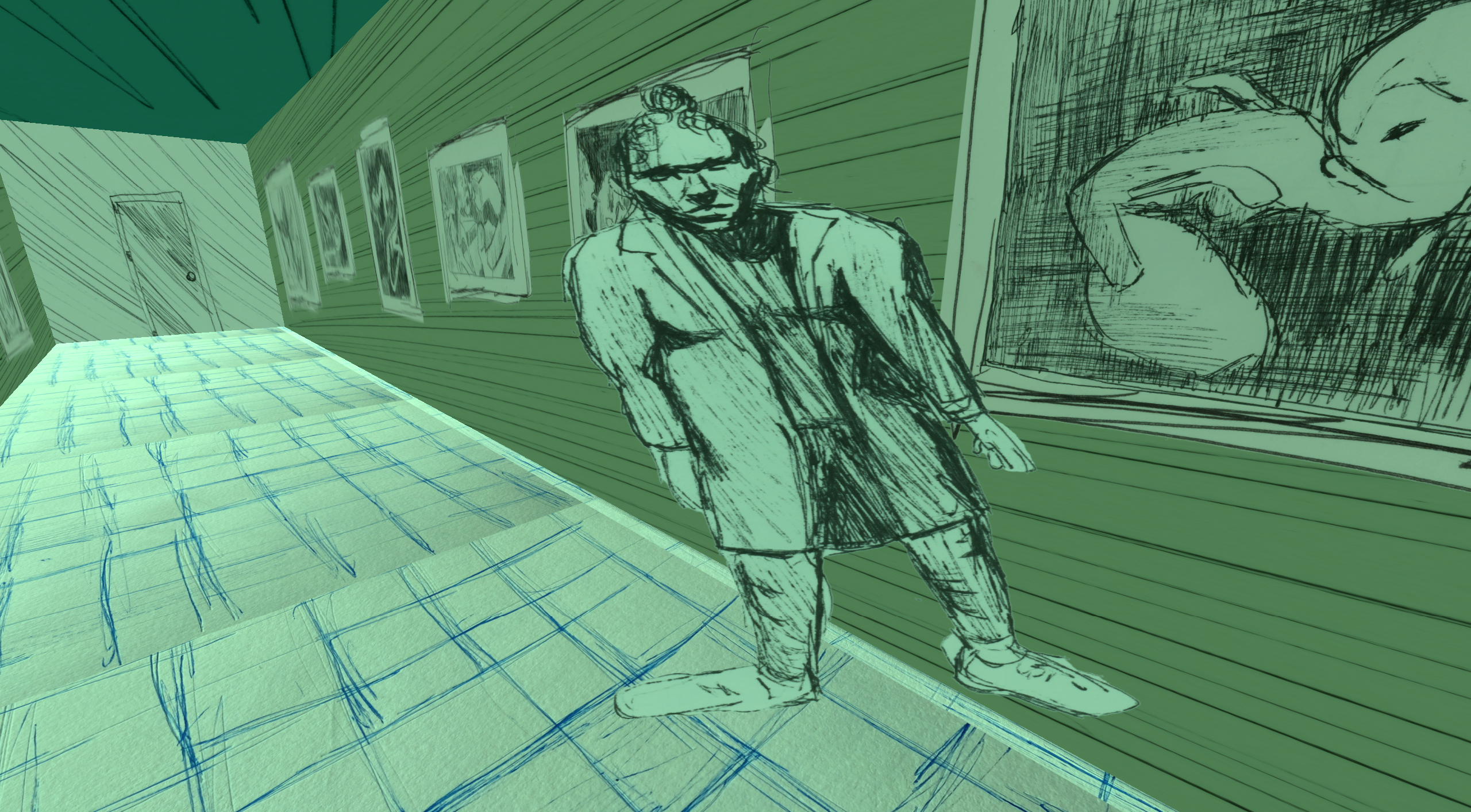
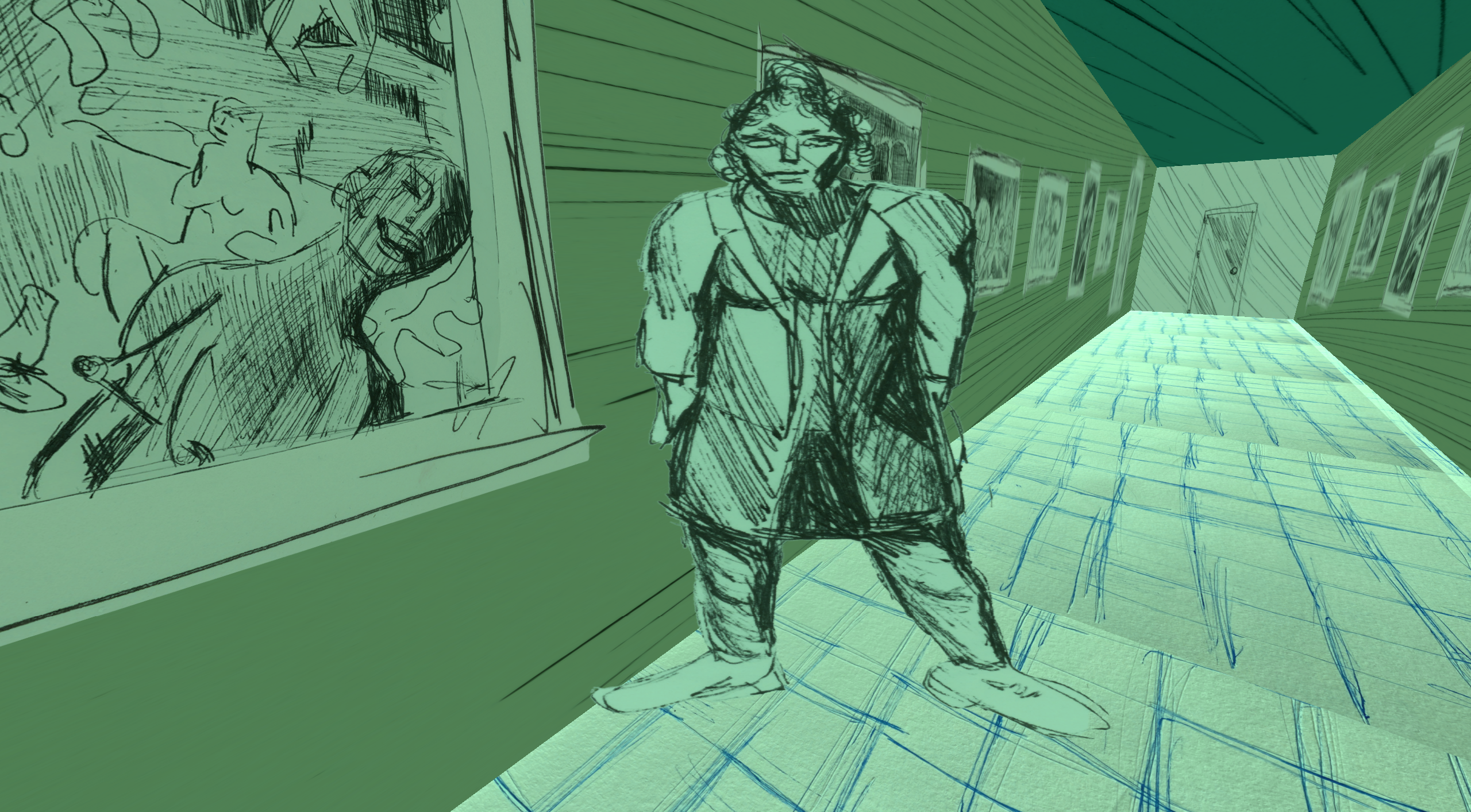
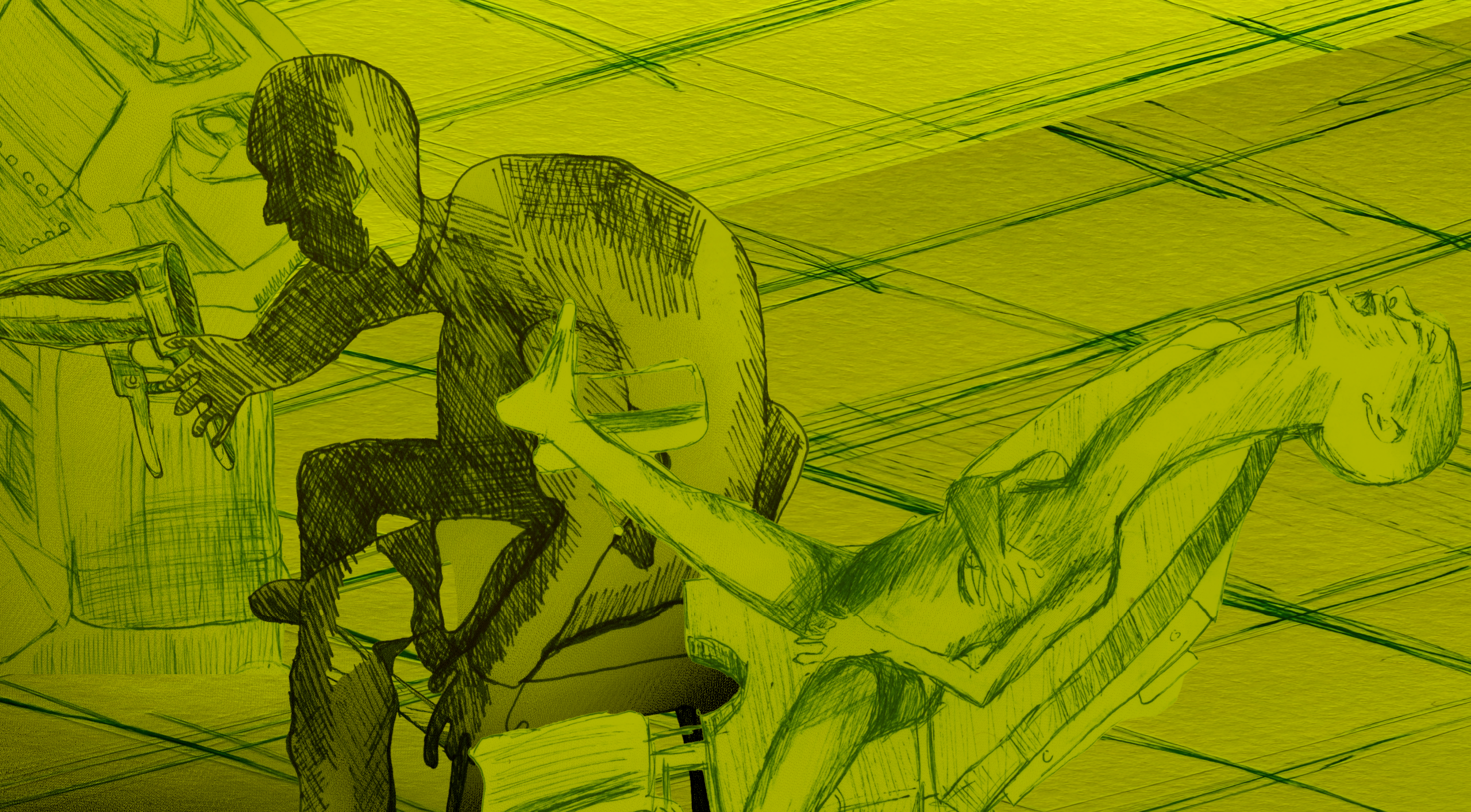
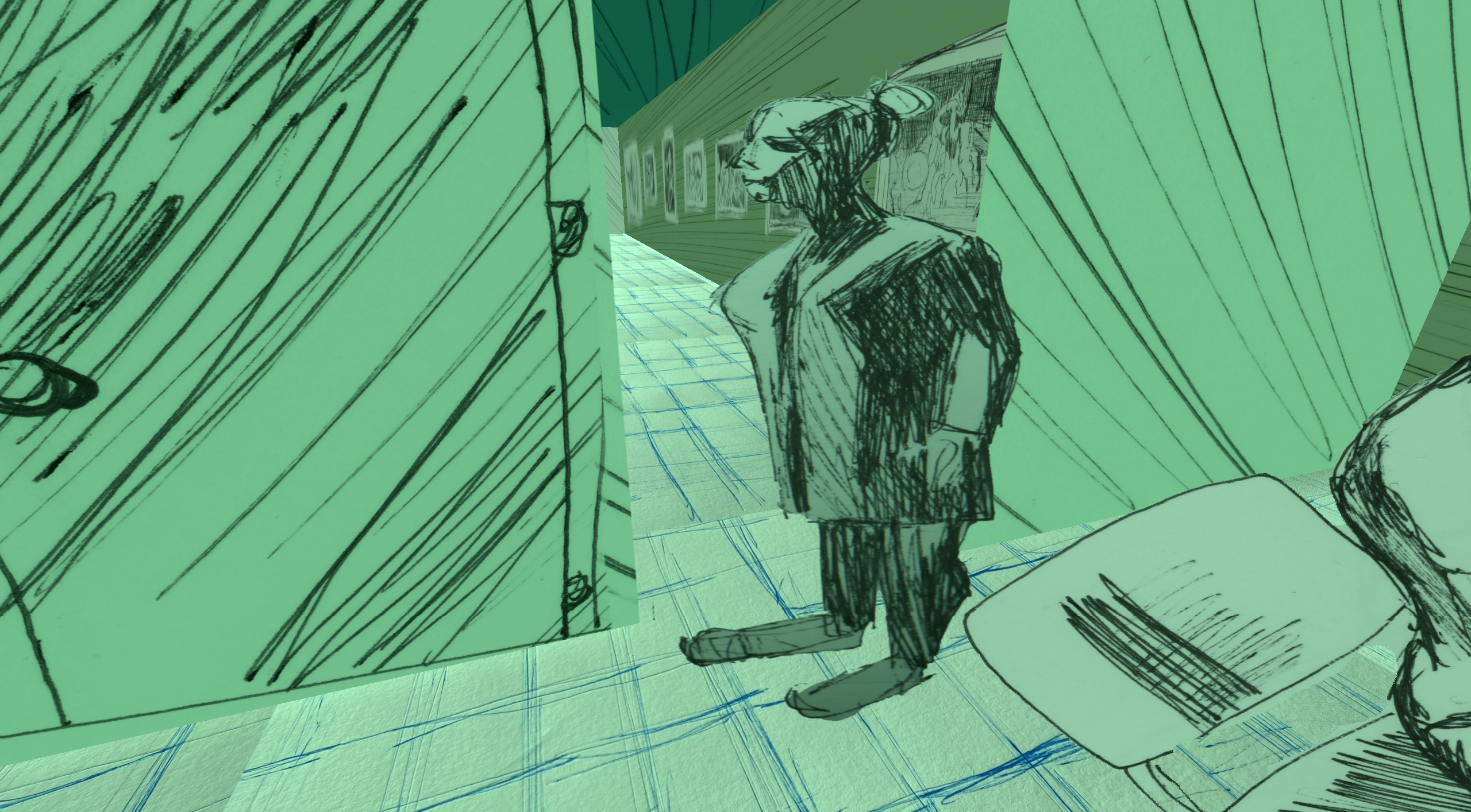
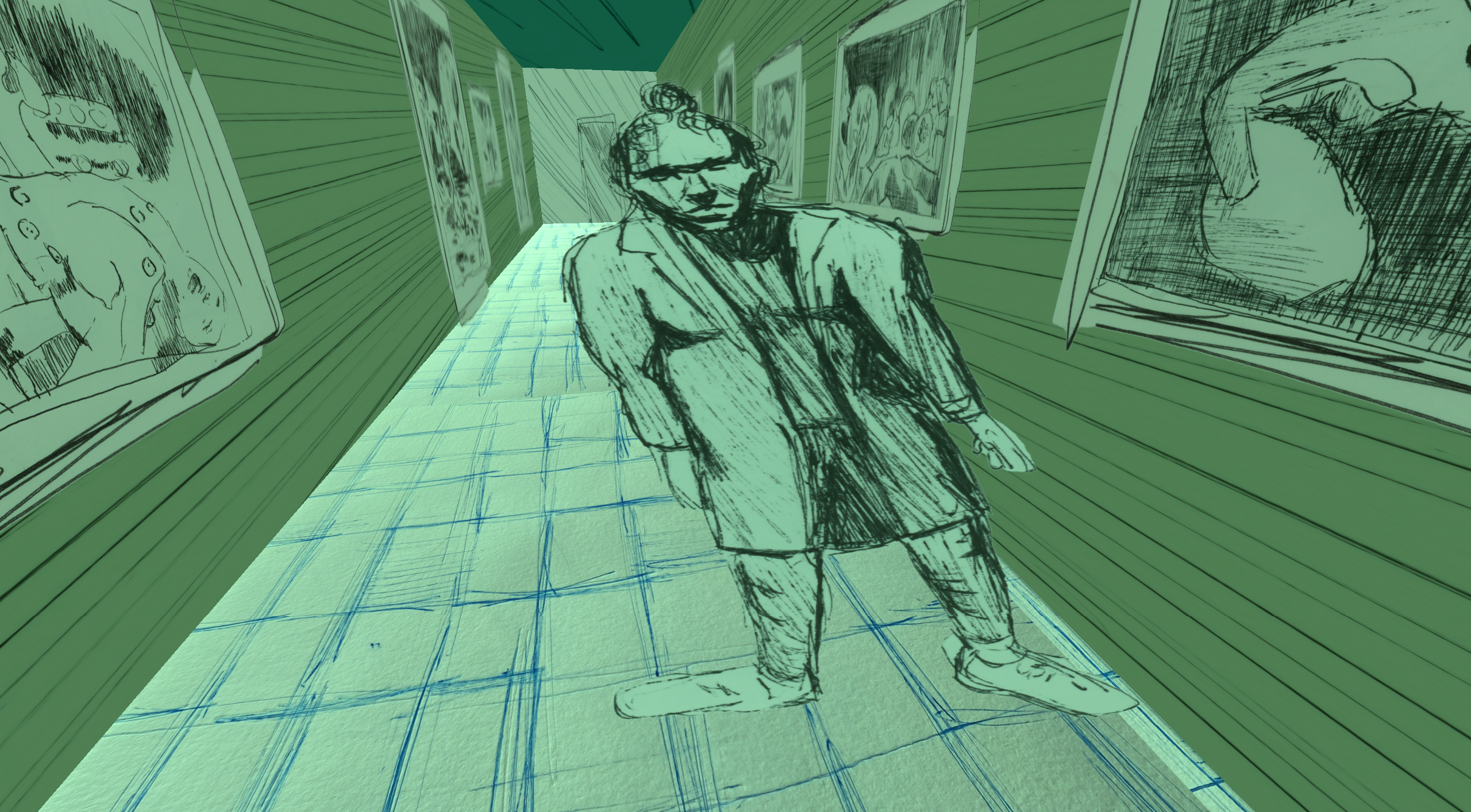
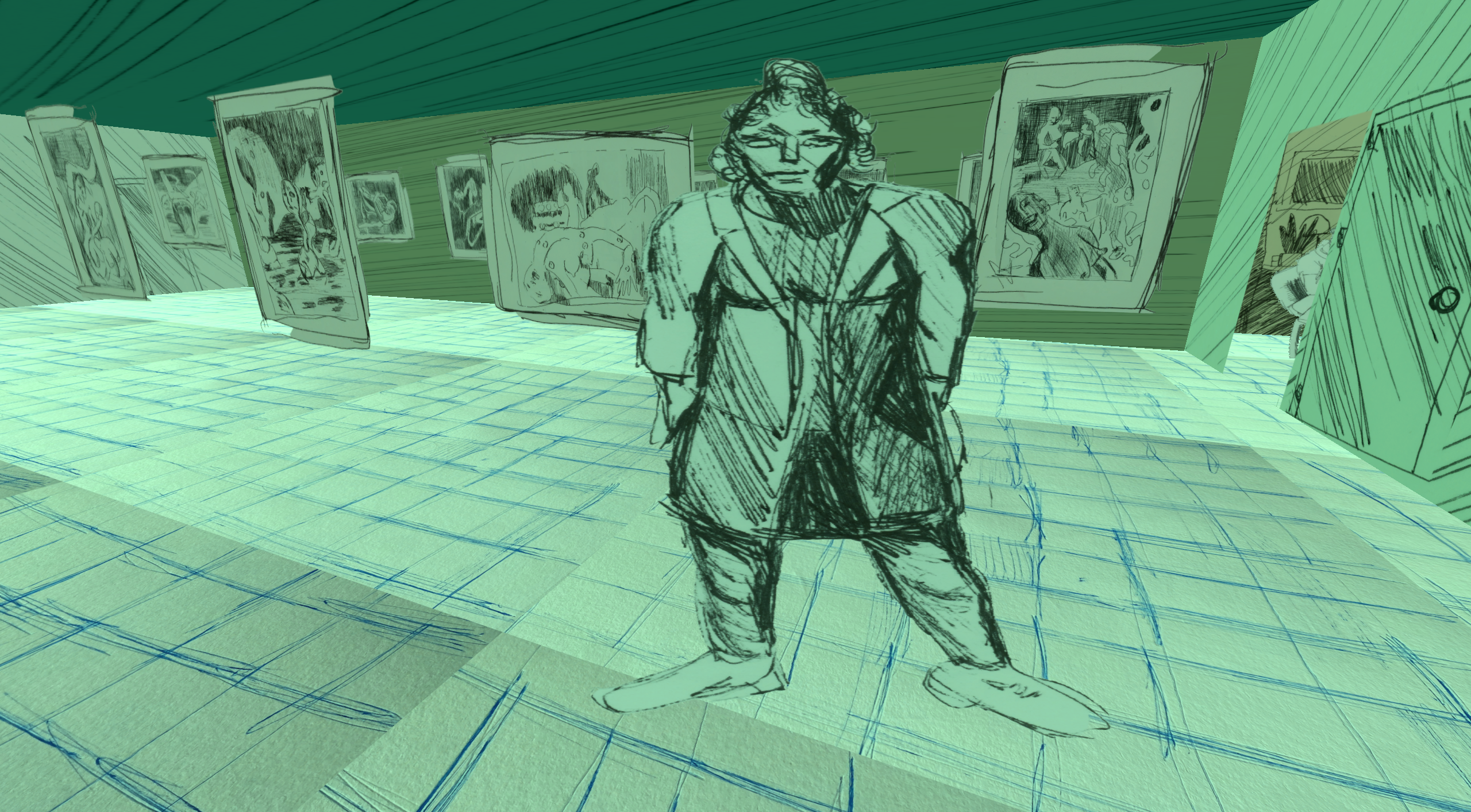
A nurse appears and beckons you forward. She is uncanny, her body echoing your own small fidgets as though she has borrowed your nerves. When you turn your frame toward yourself, your body is a naked ballpoint pen animation, choppy and trembling, sketched into motion. You follow her down a long hallway where every step feels hand-drawn. On the walls hang images of womb interiors rendered in pen, but they resist the polished authority of Nilsson’s embryo. These interiors are rougher, stranger, alive with the evidence of a hand.
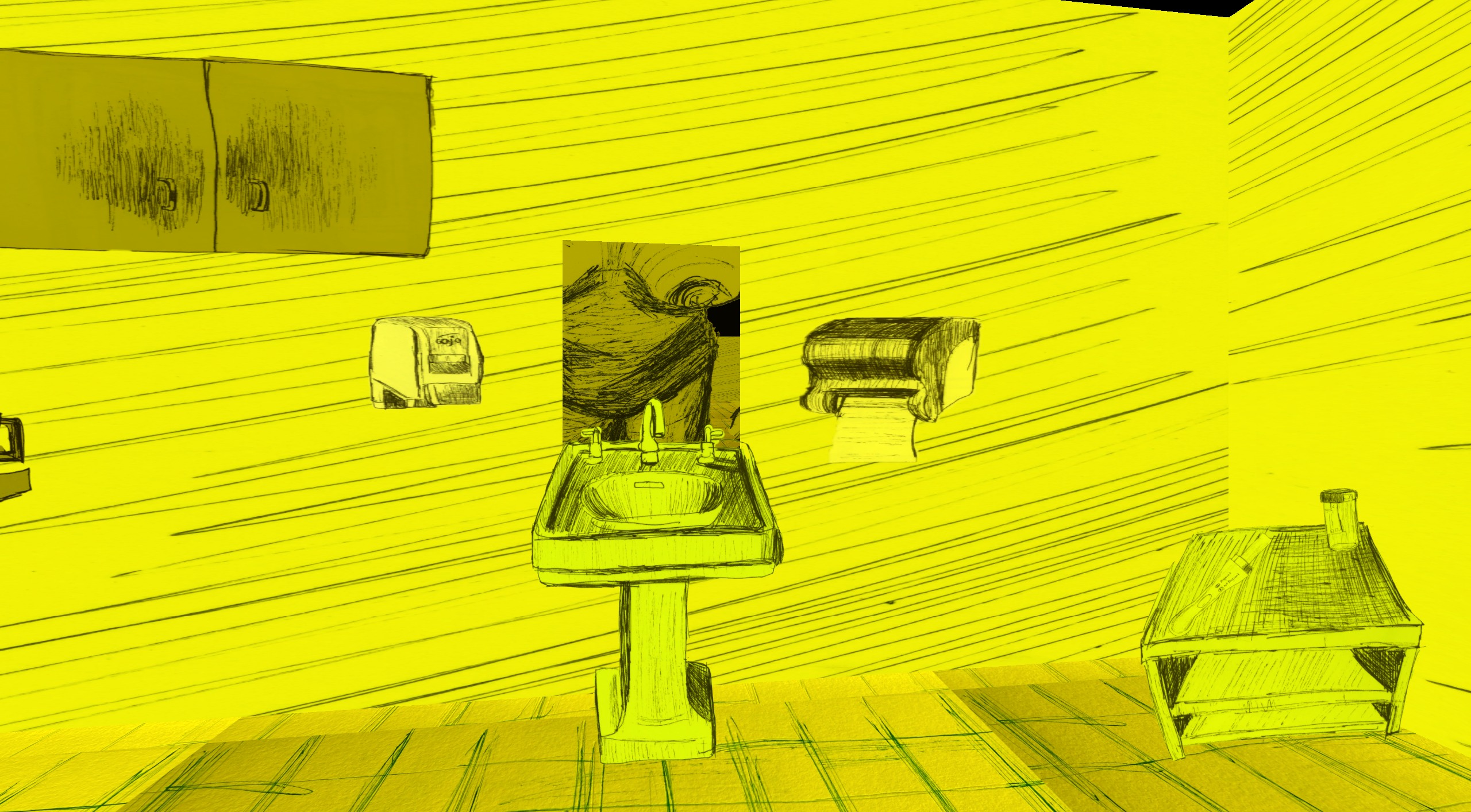
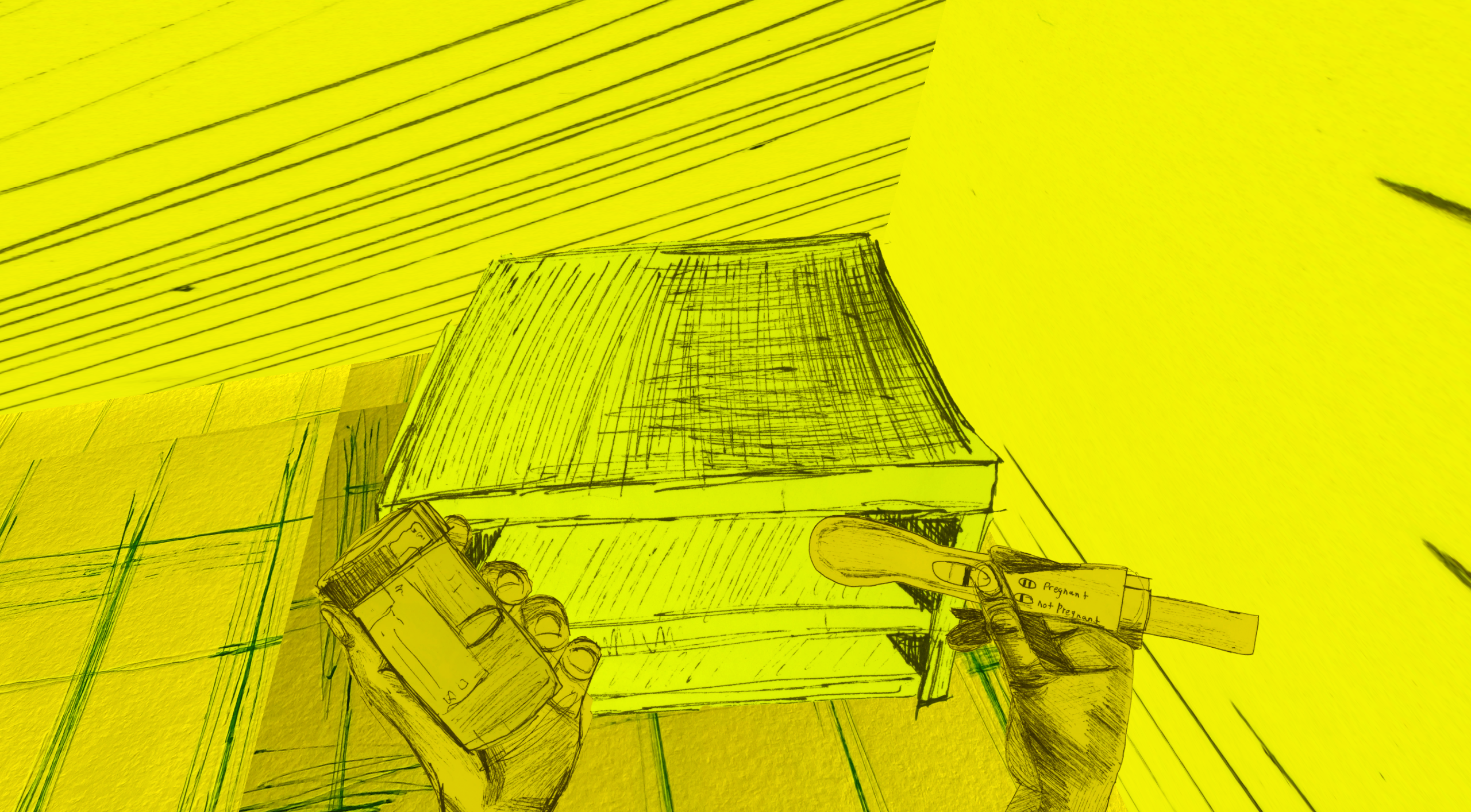
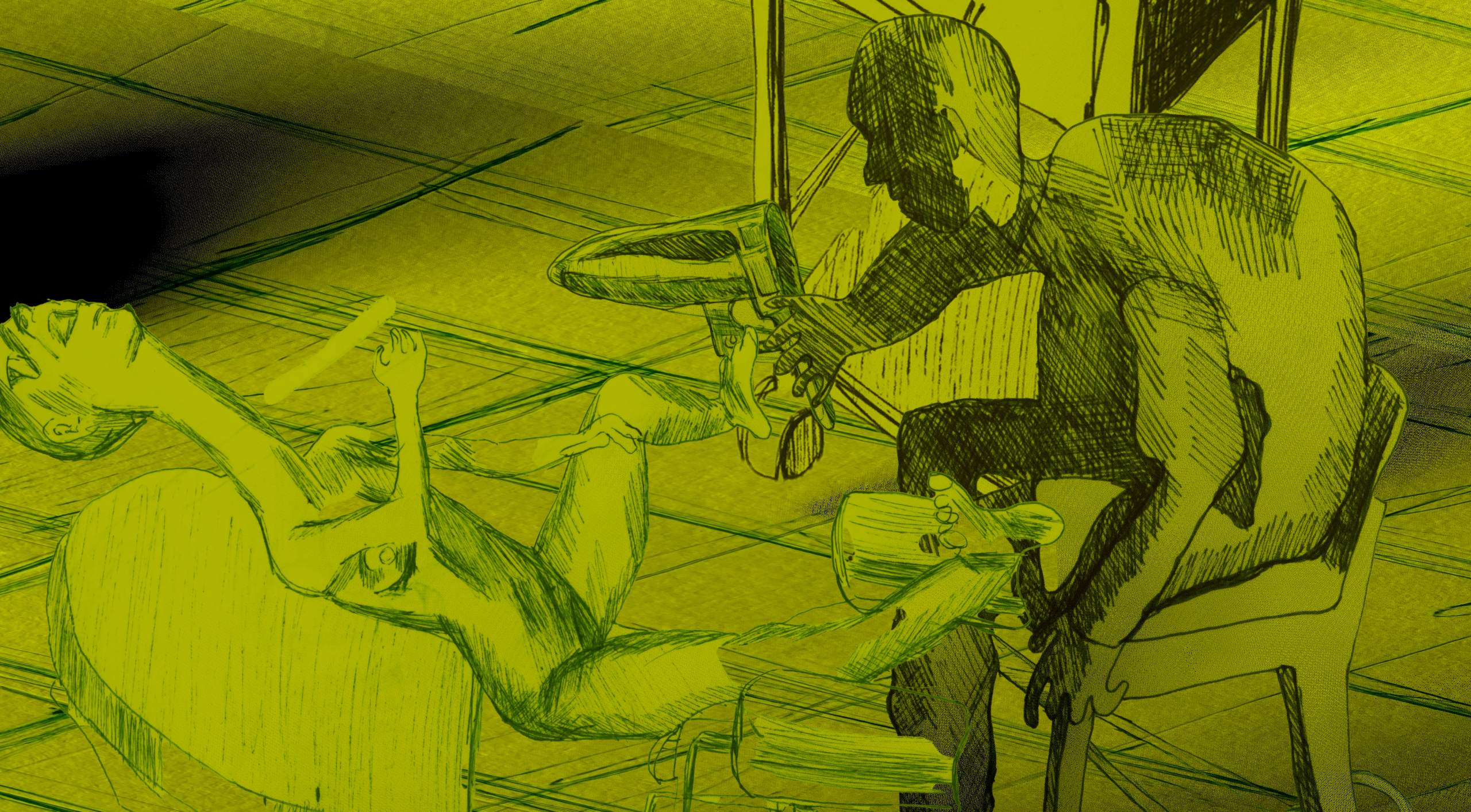
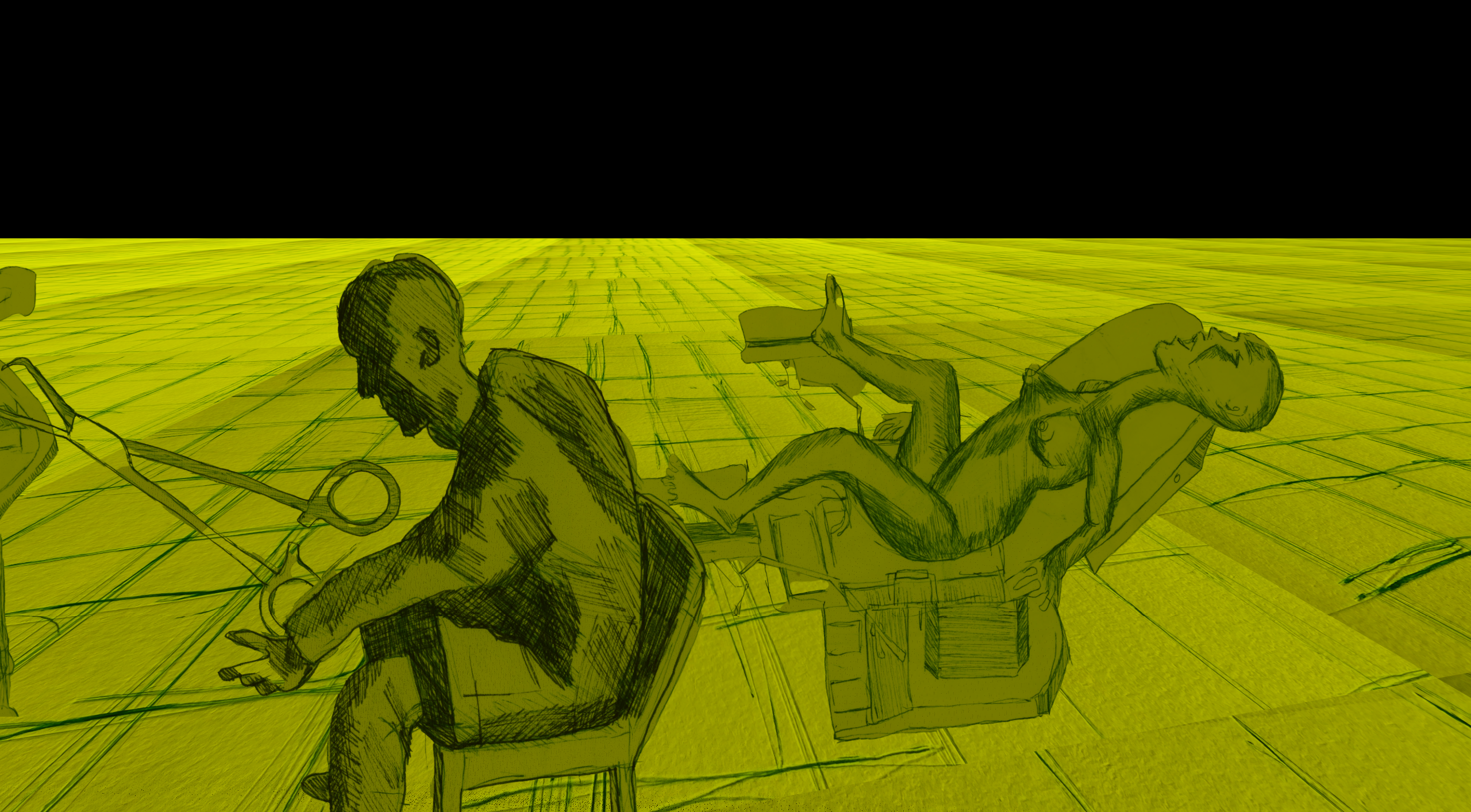
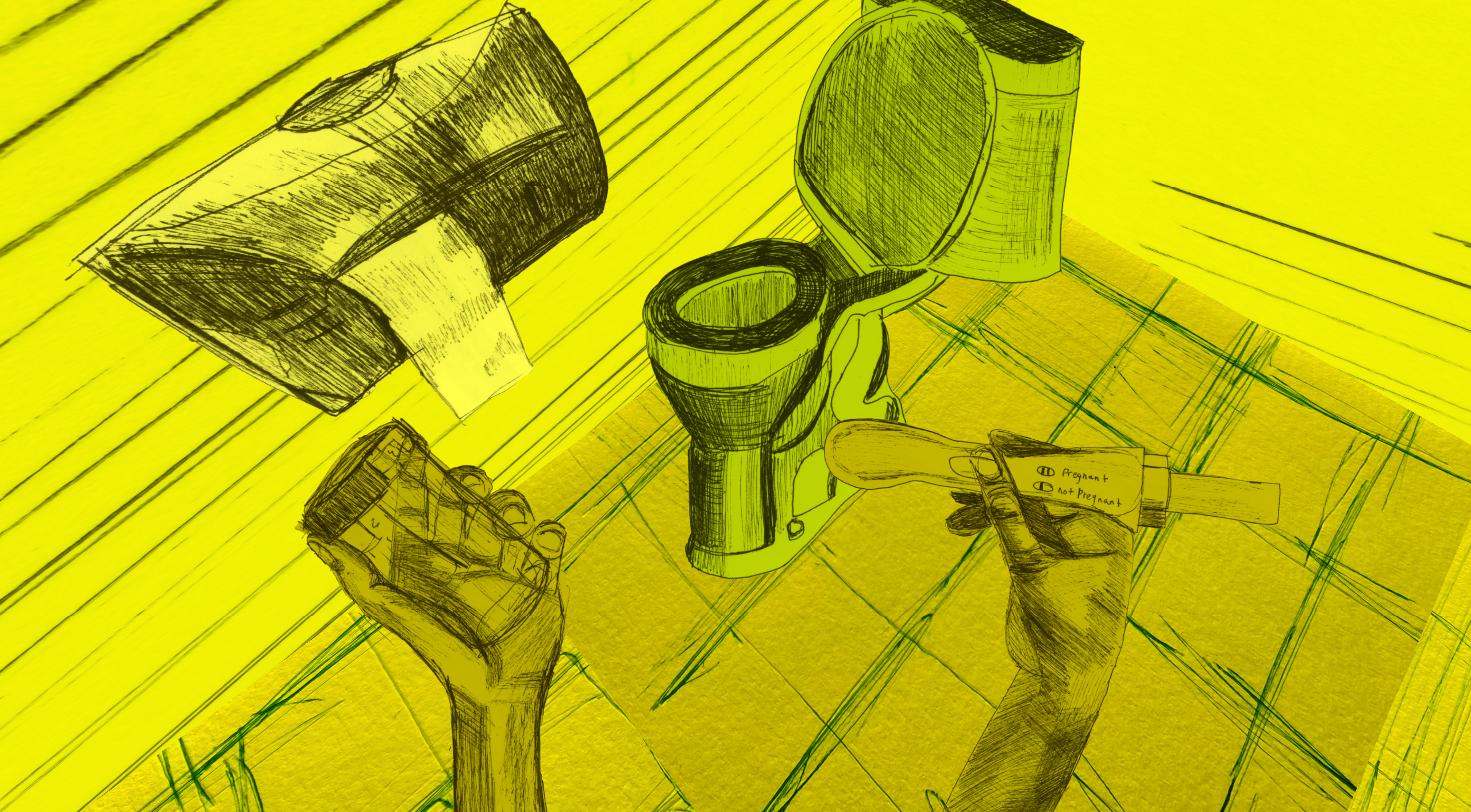
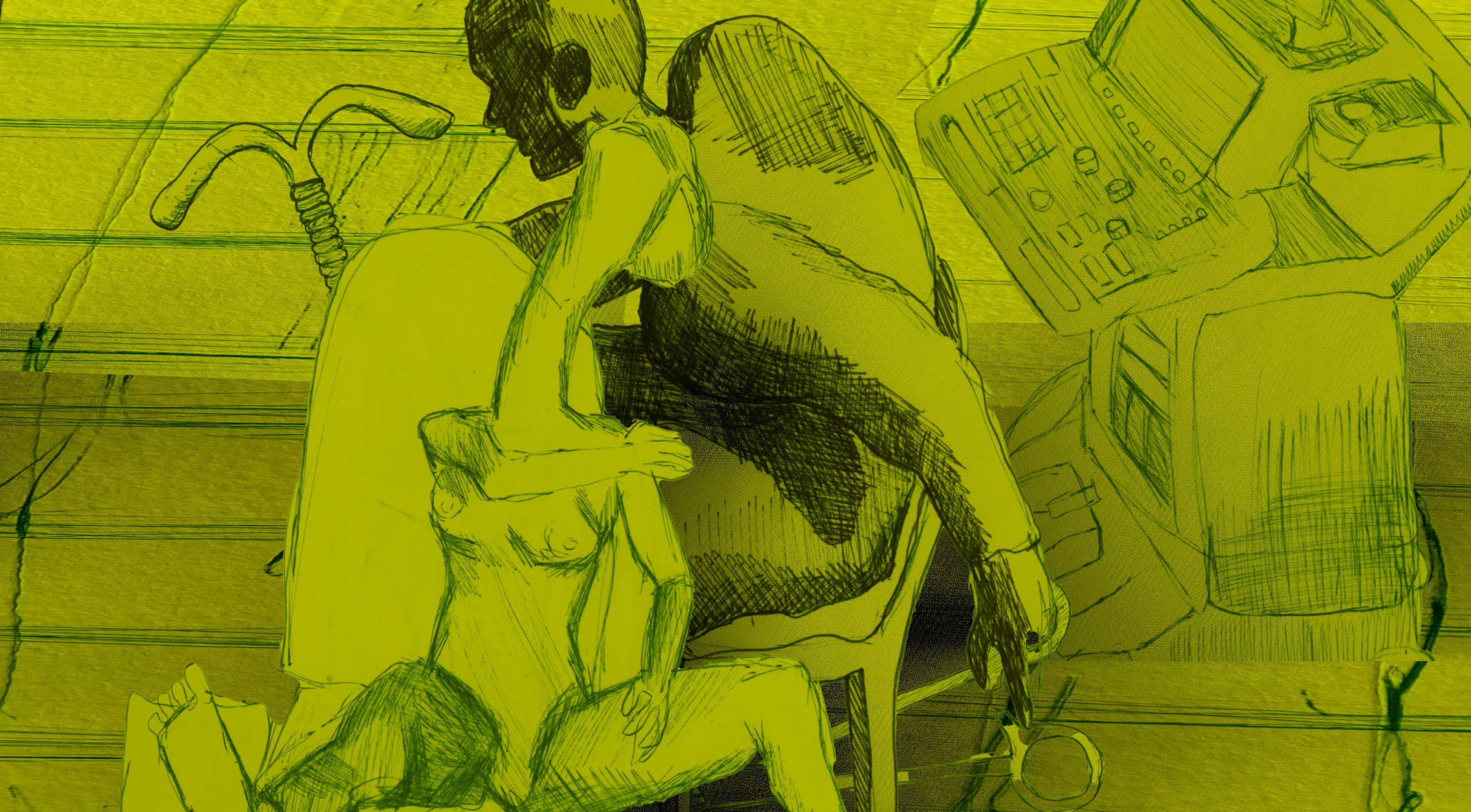
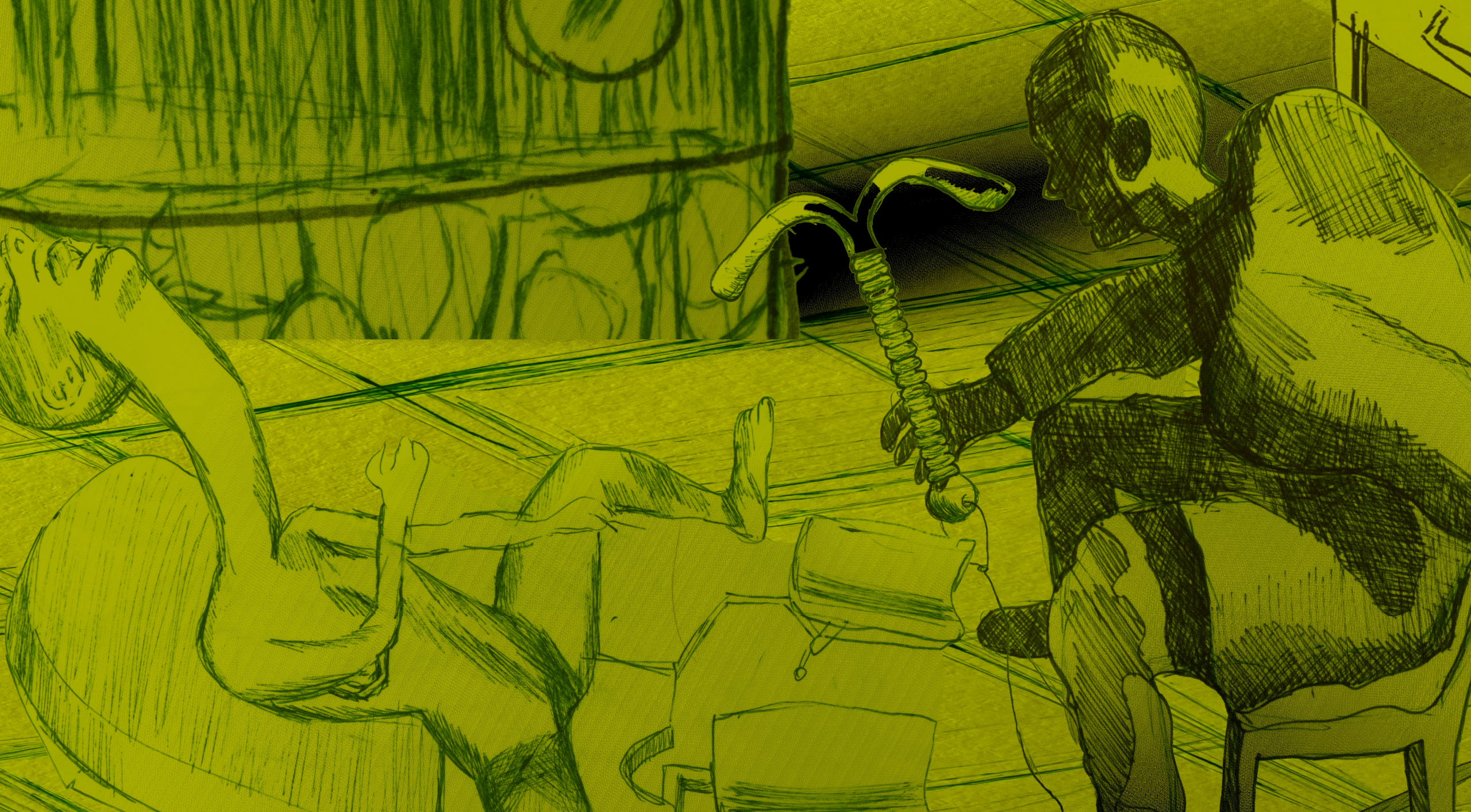
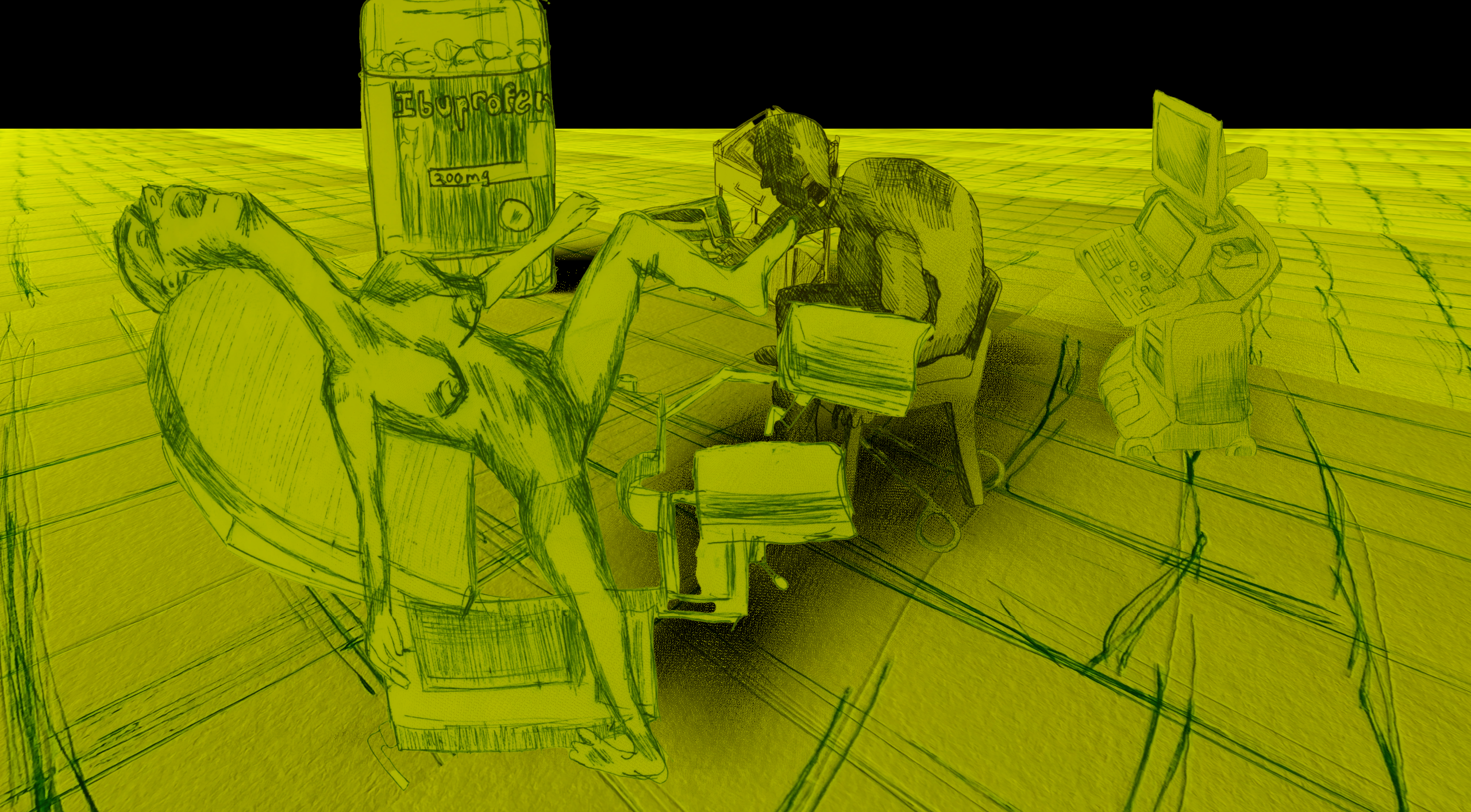
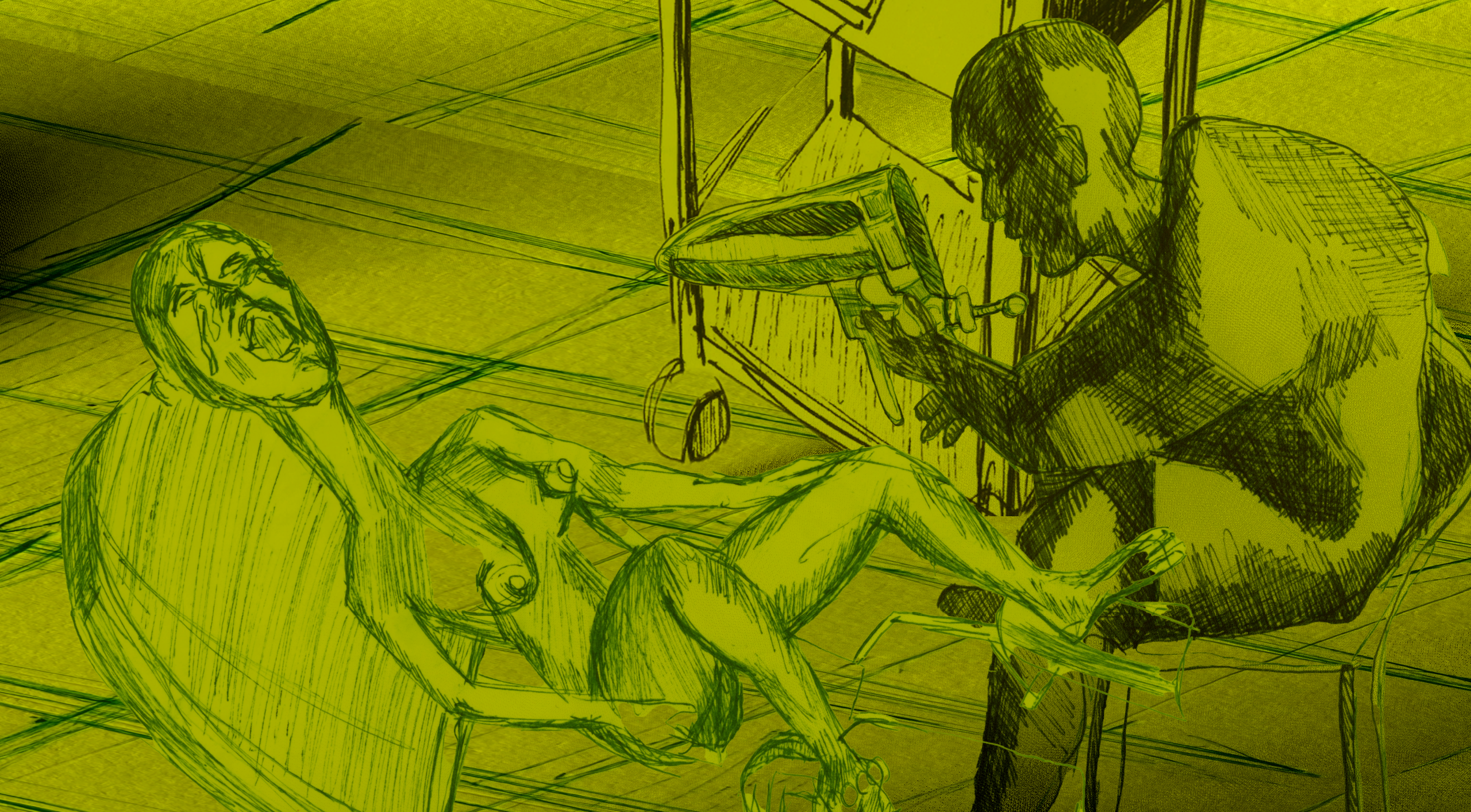
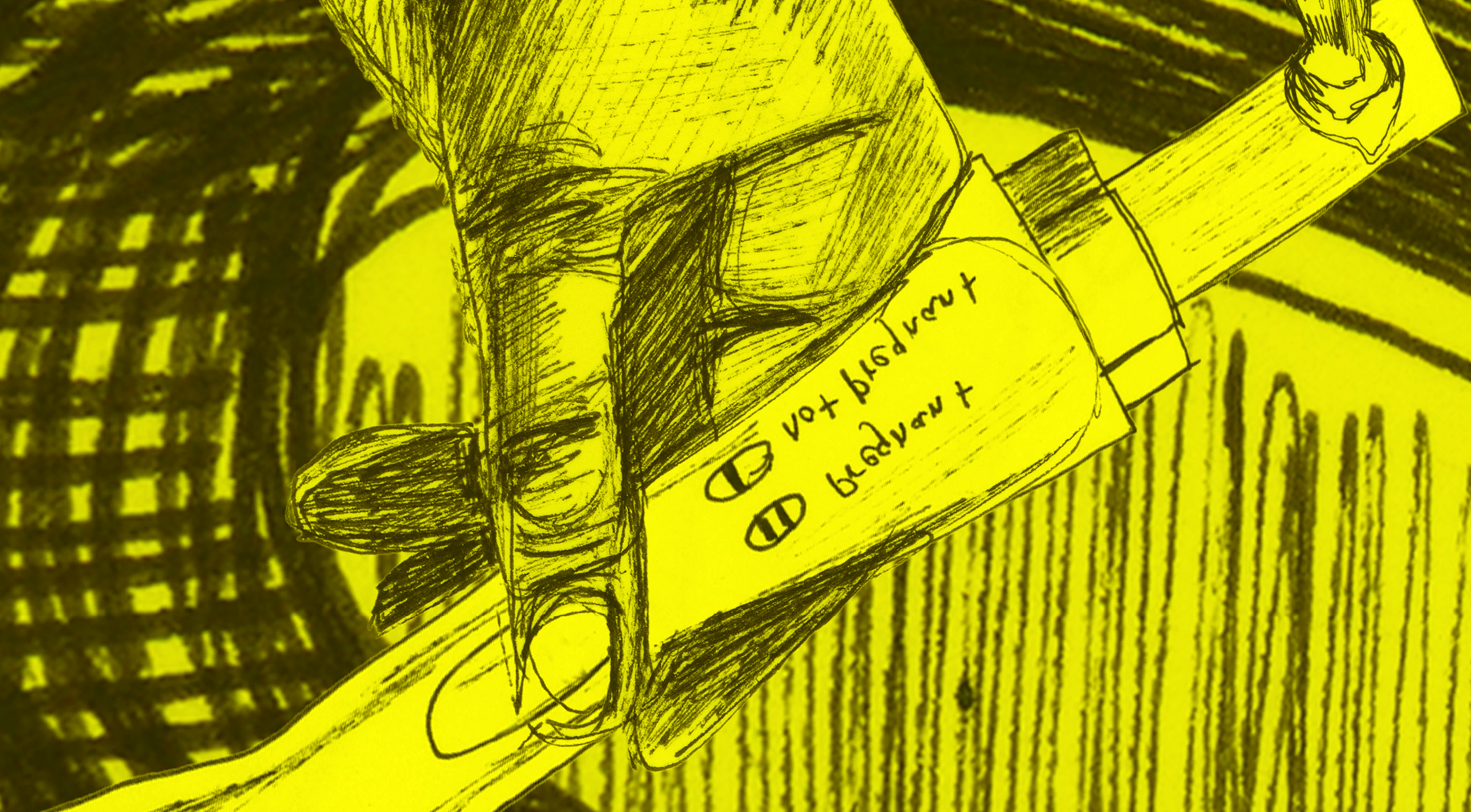
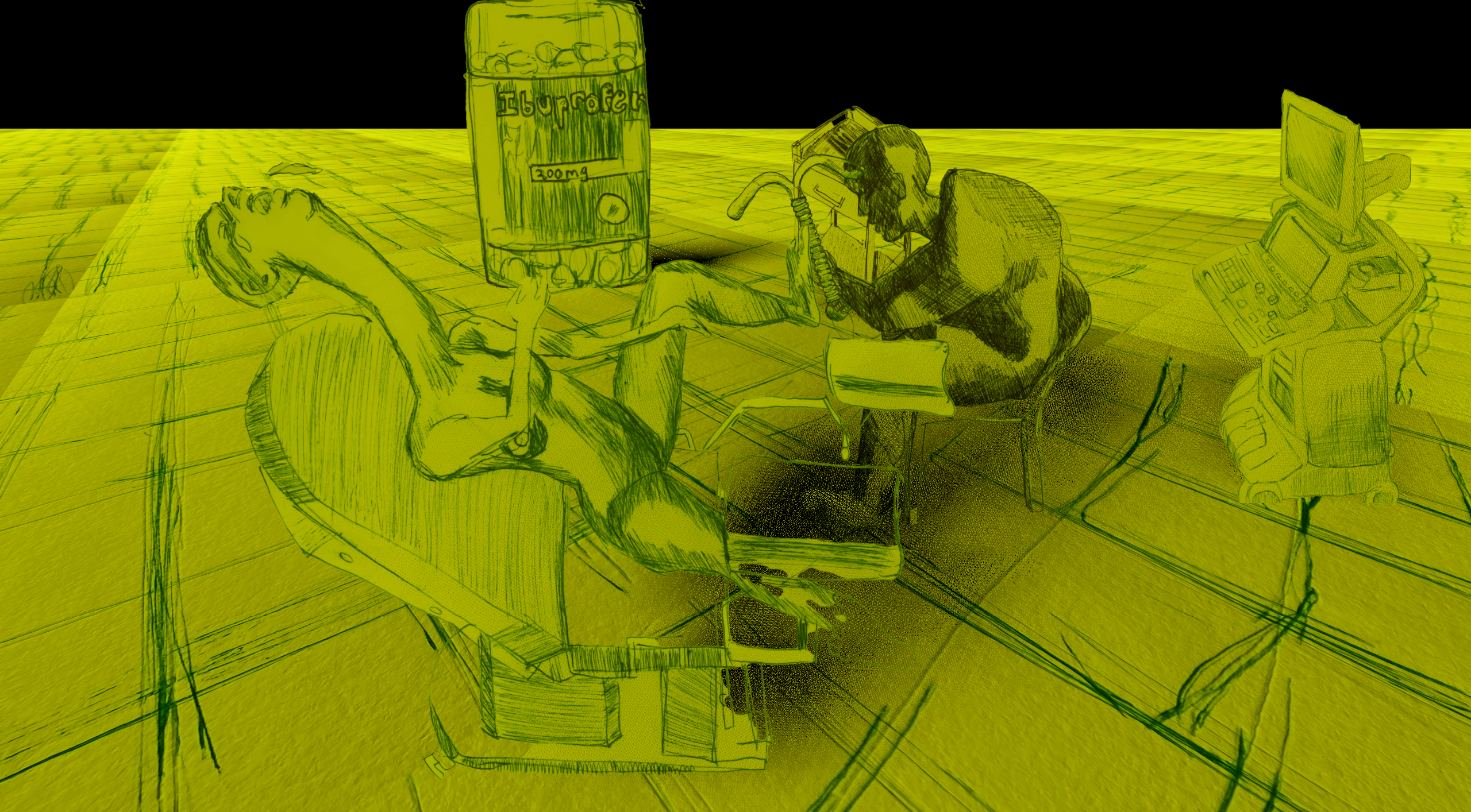
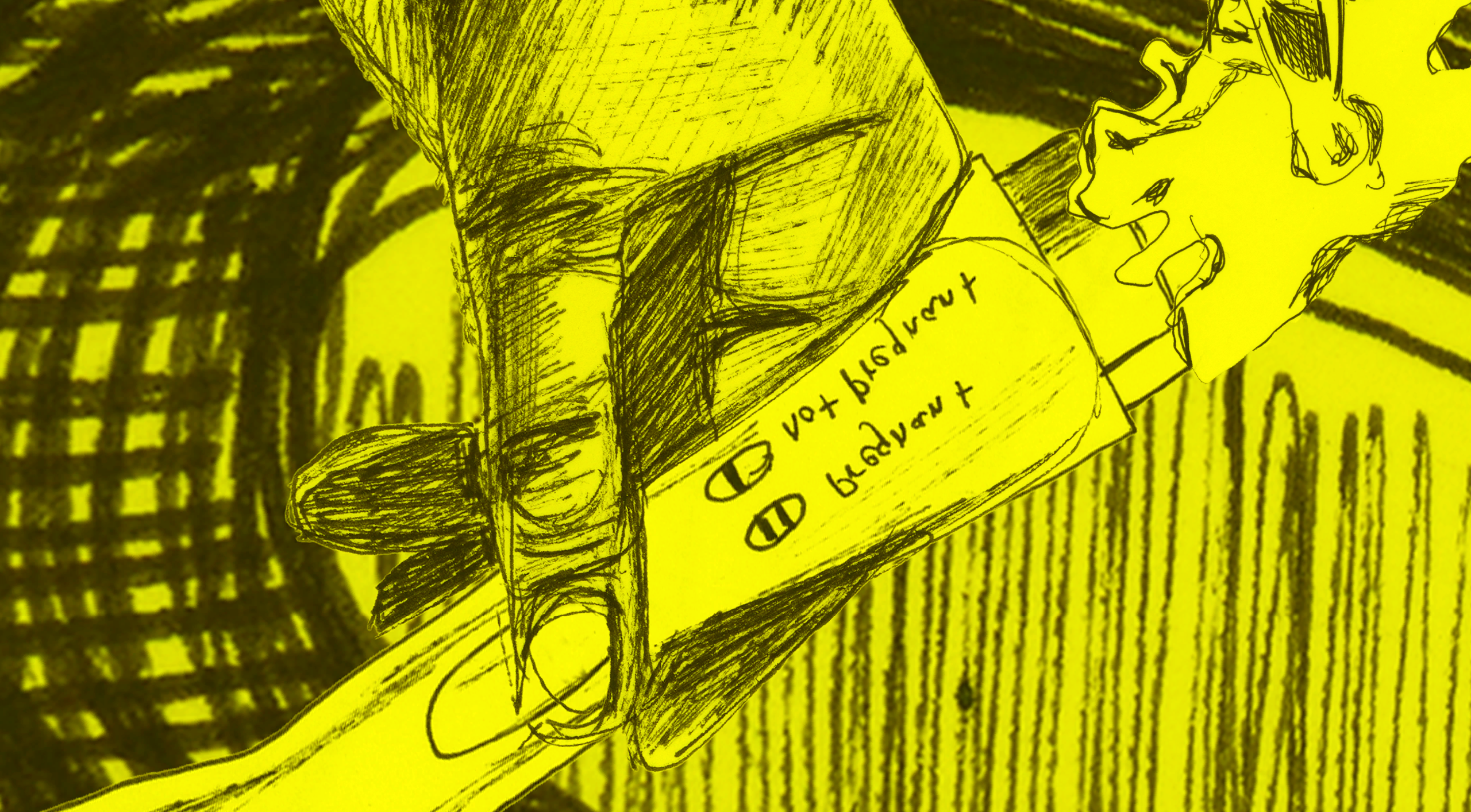
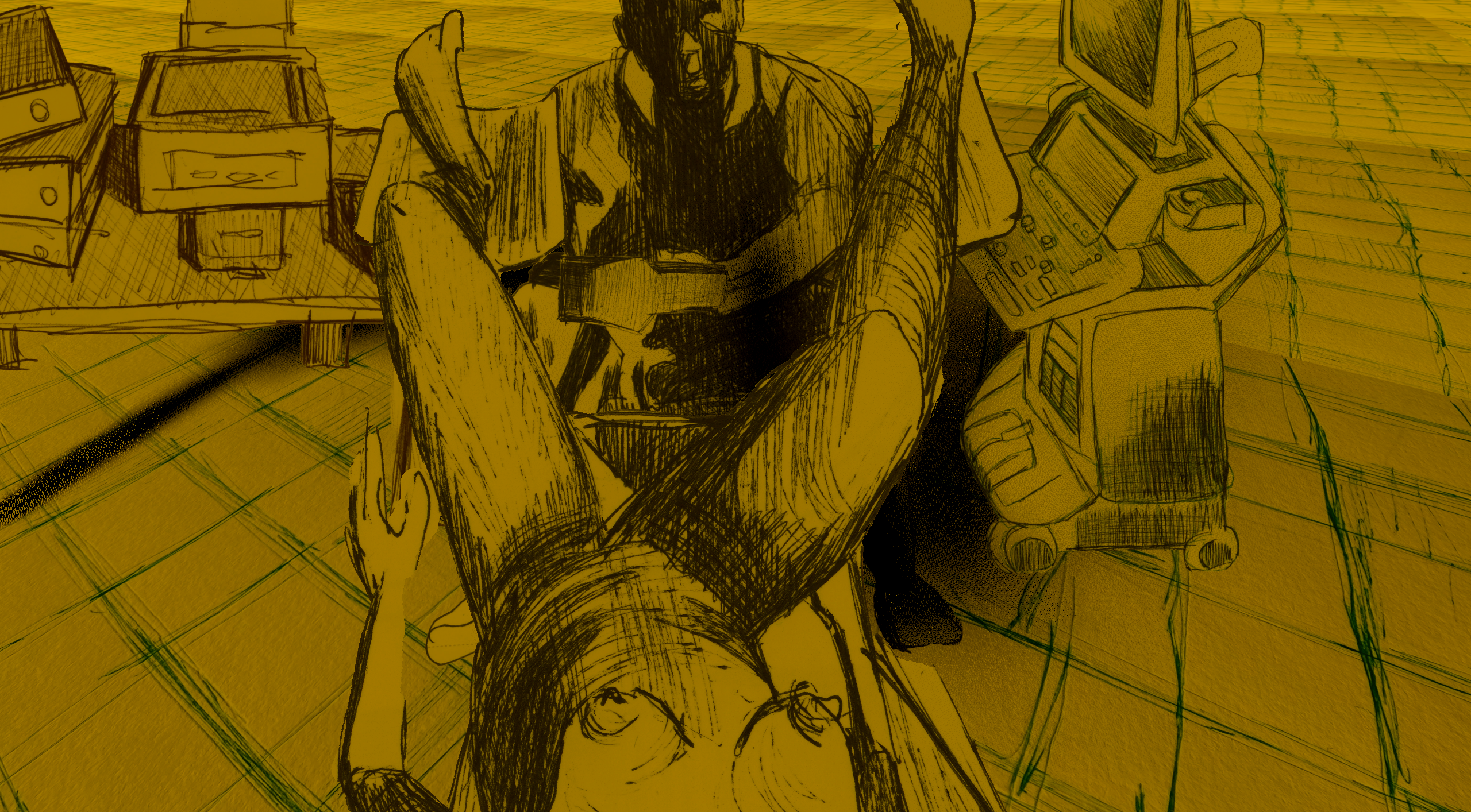
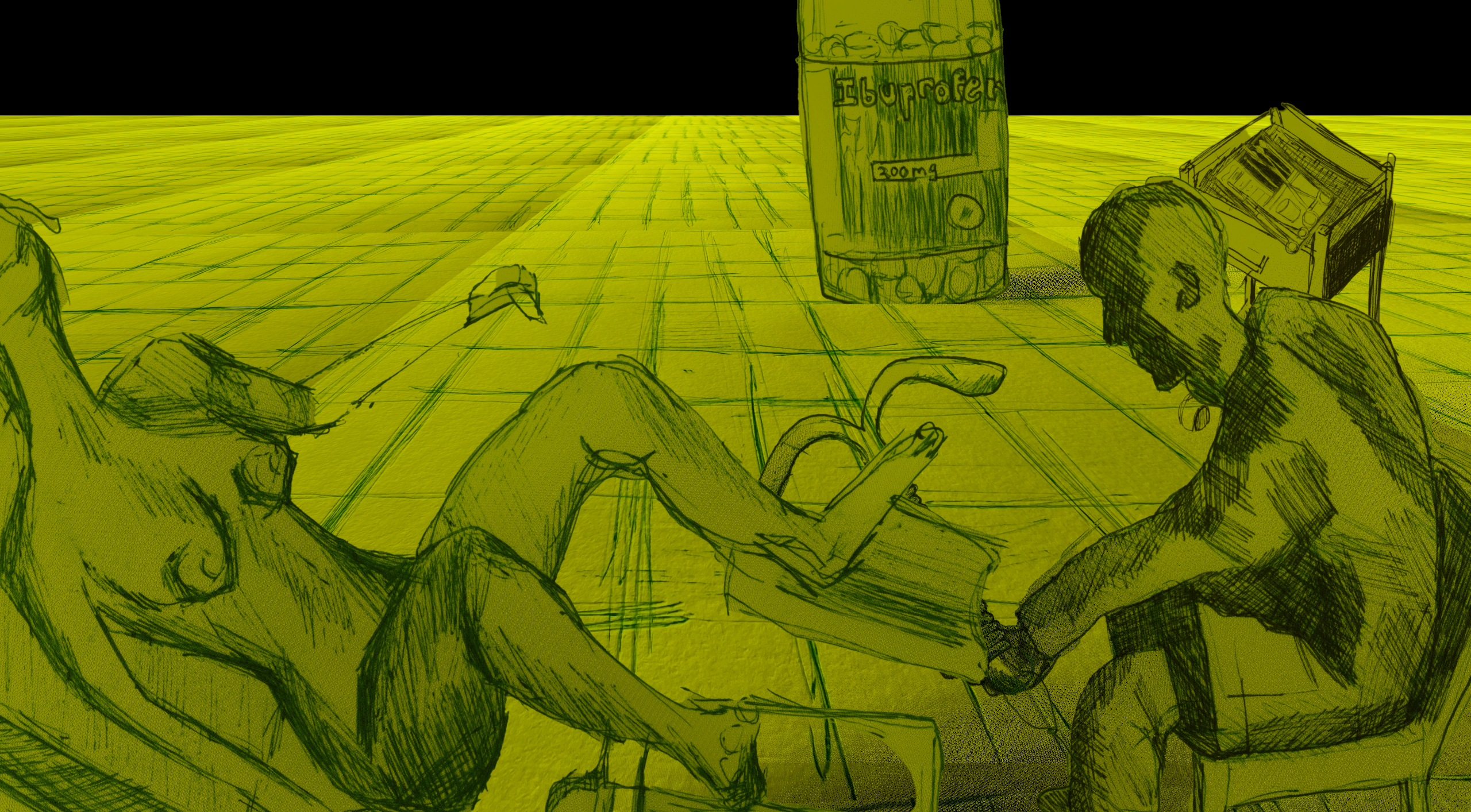
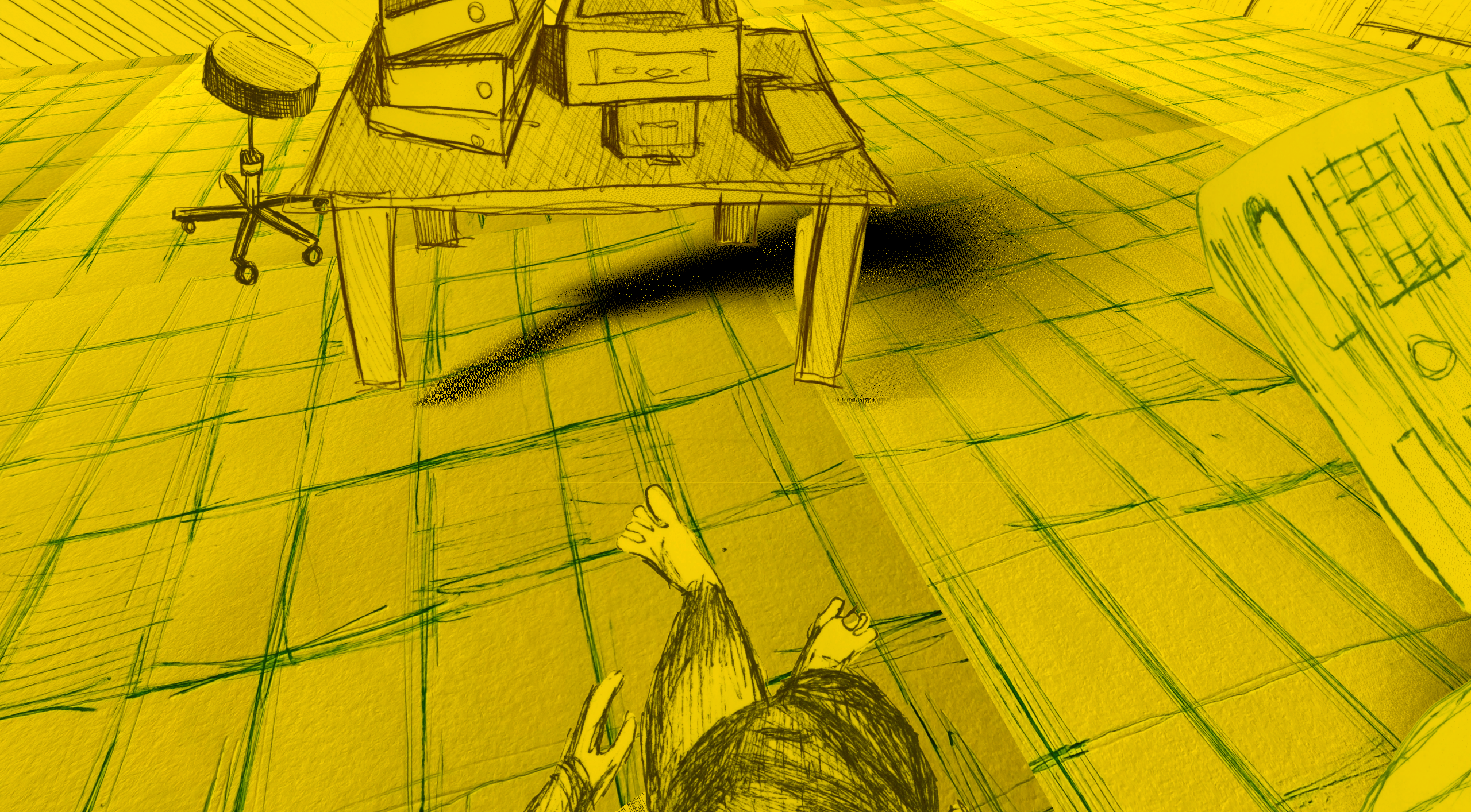
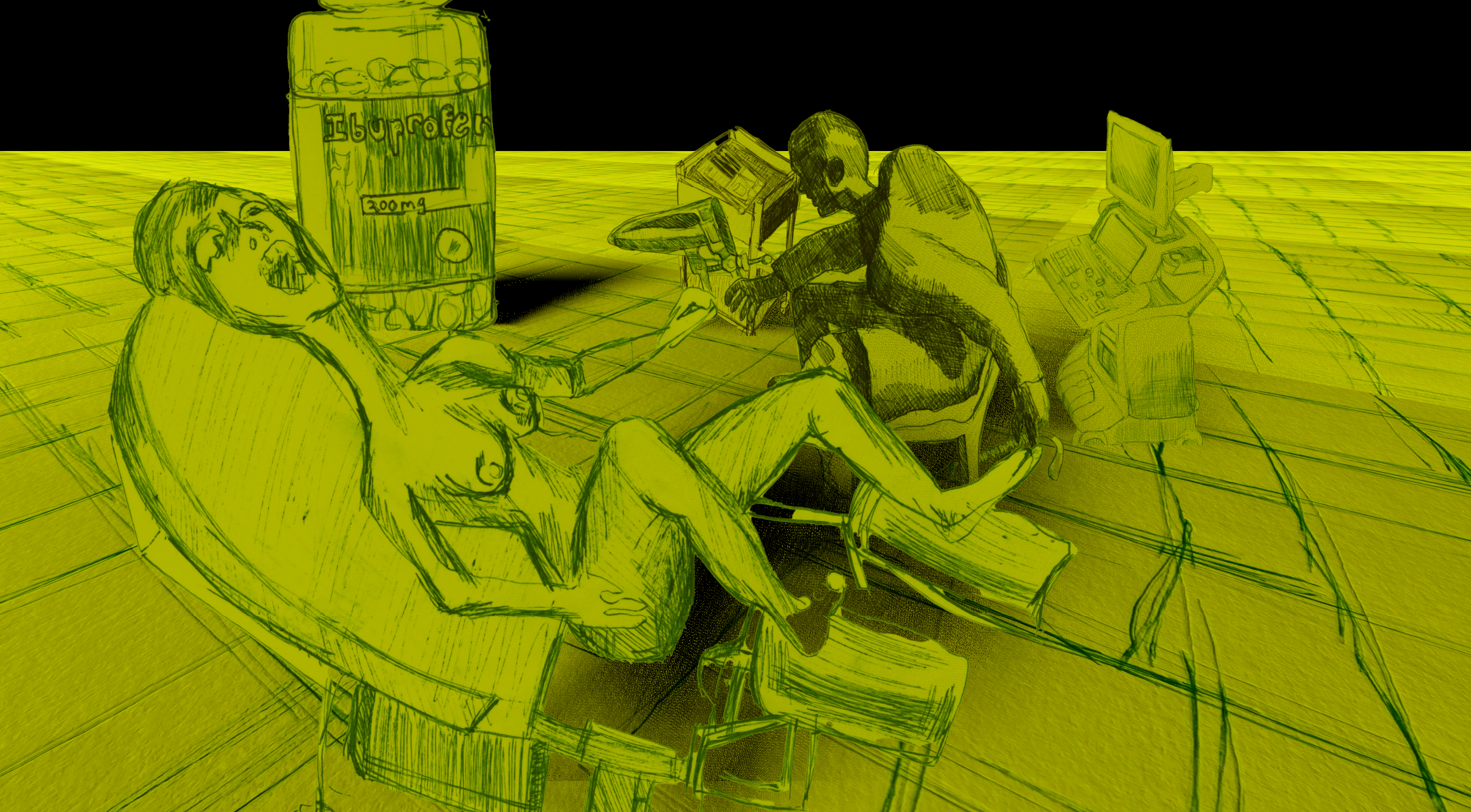
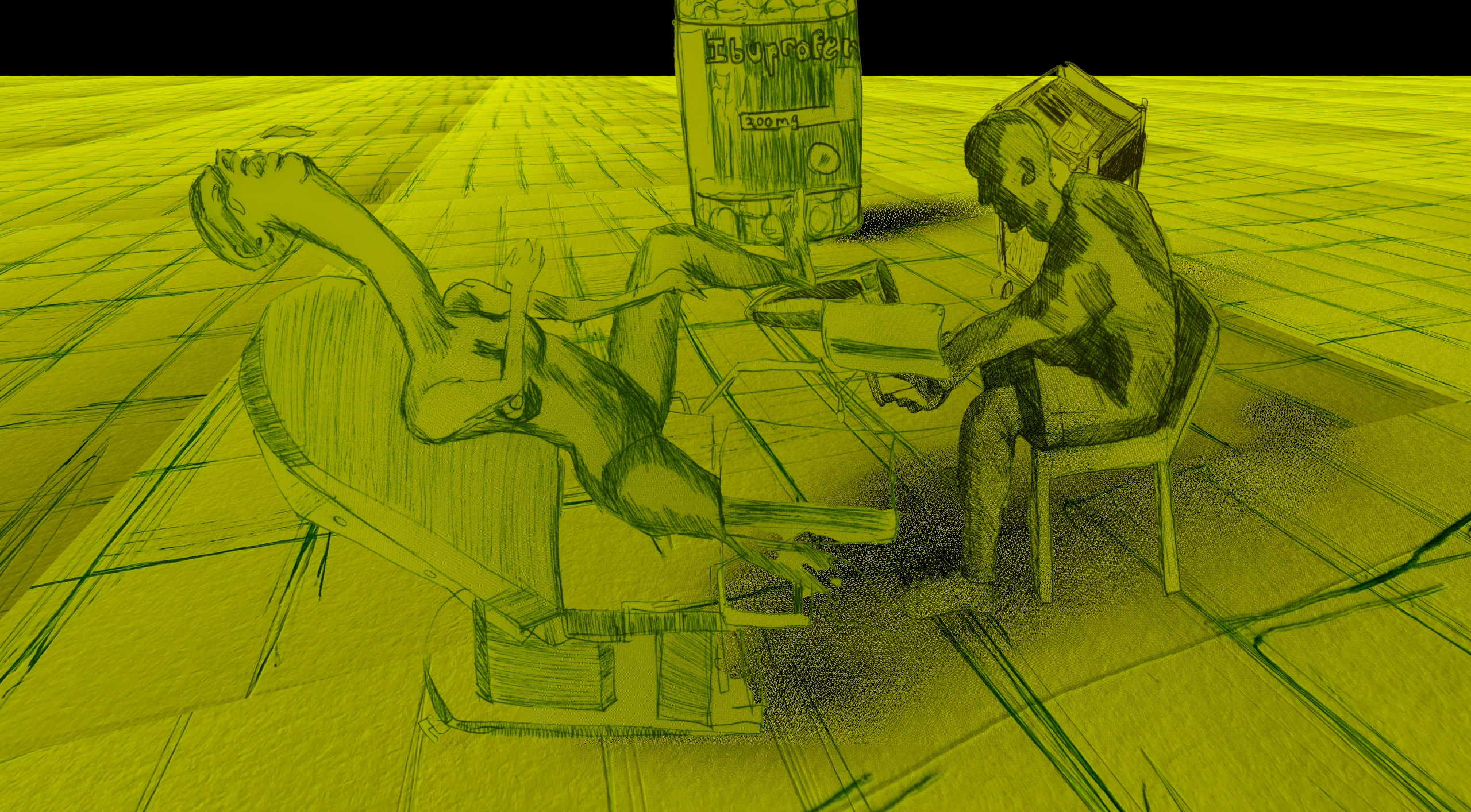
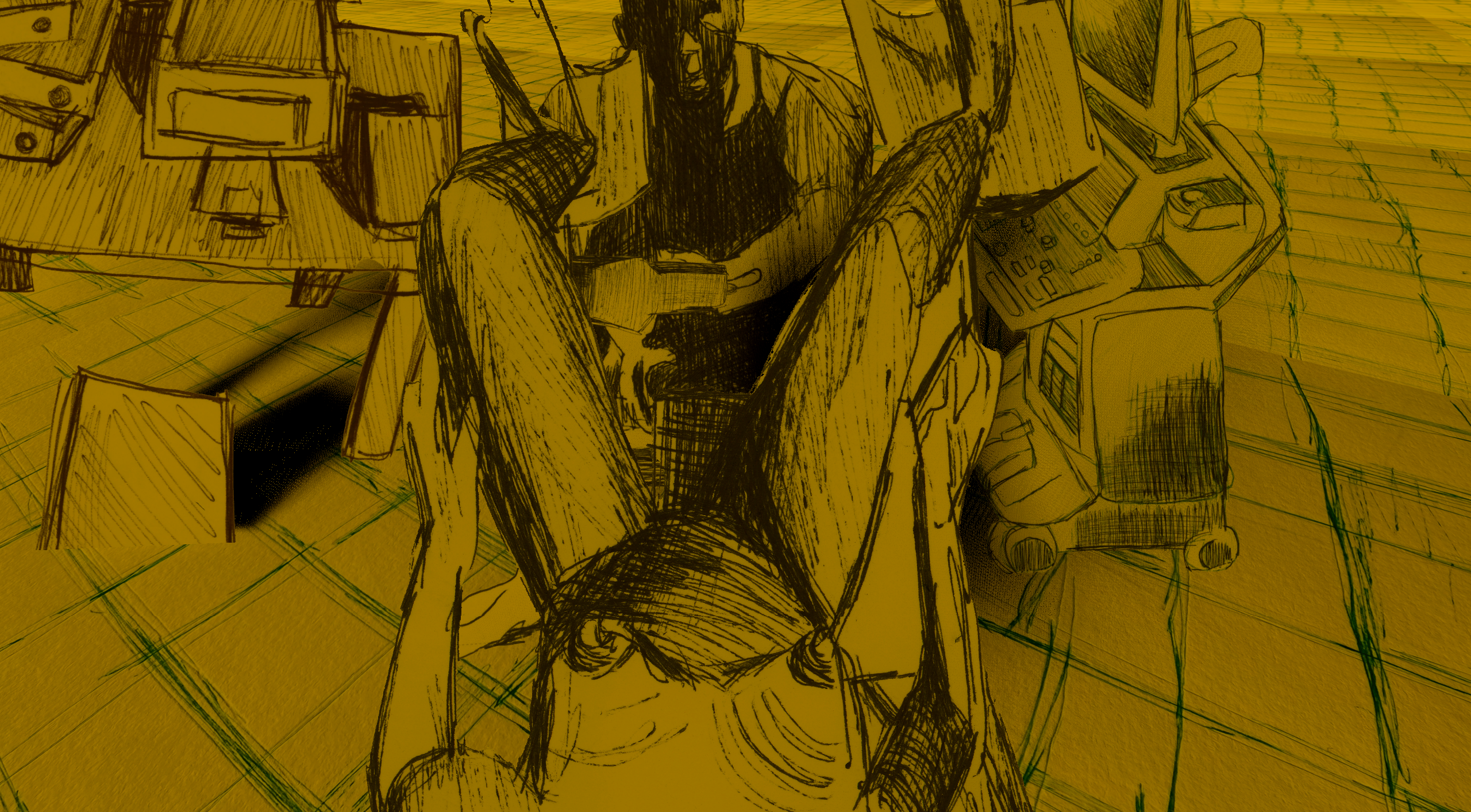
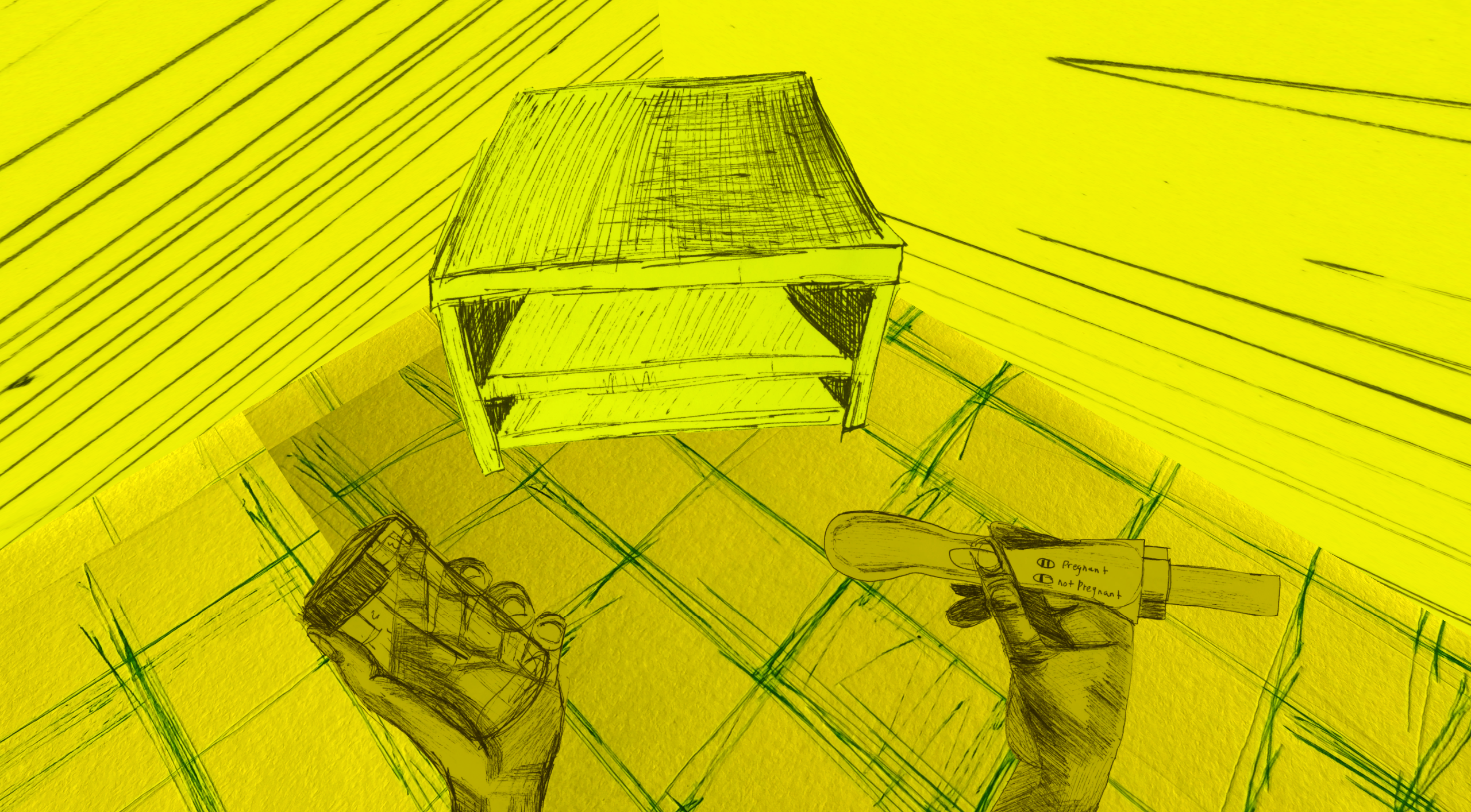
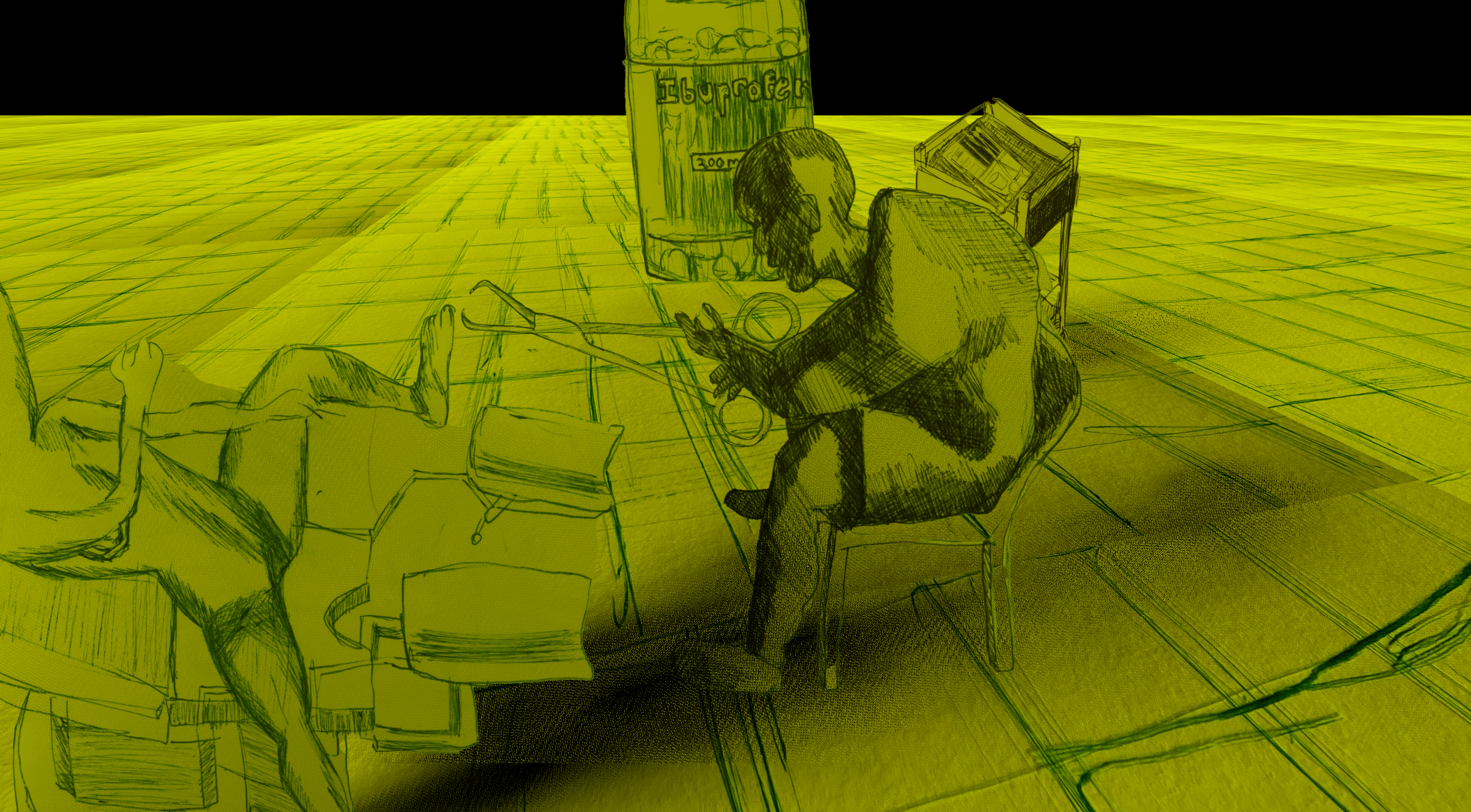
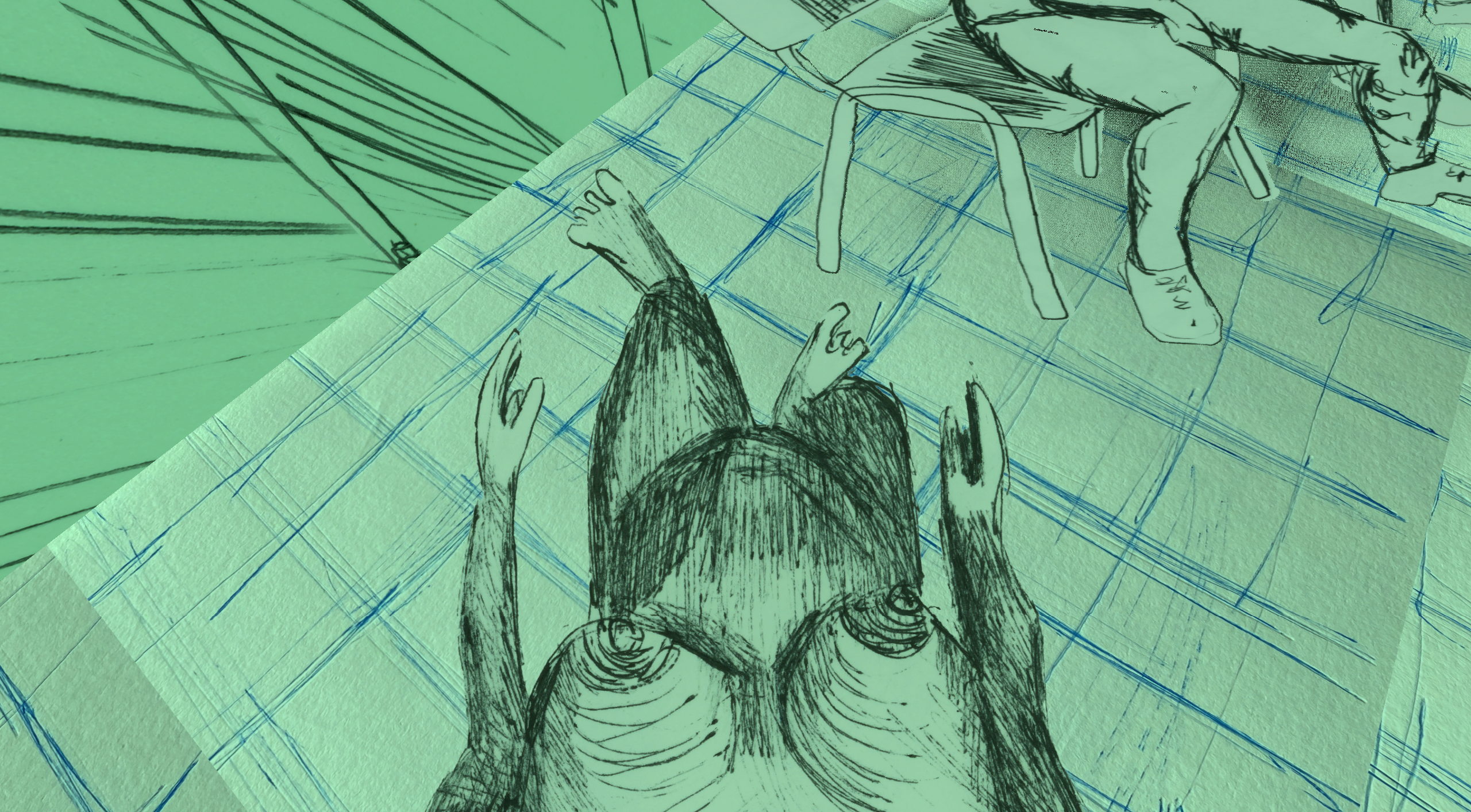
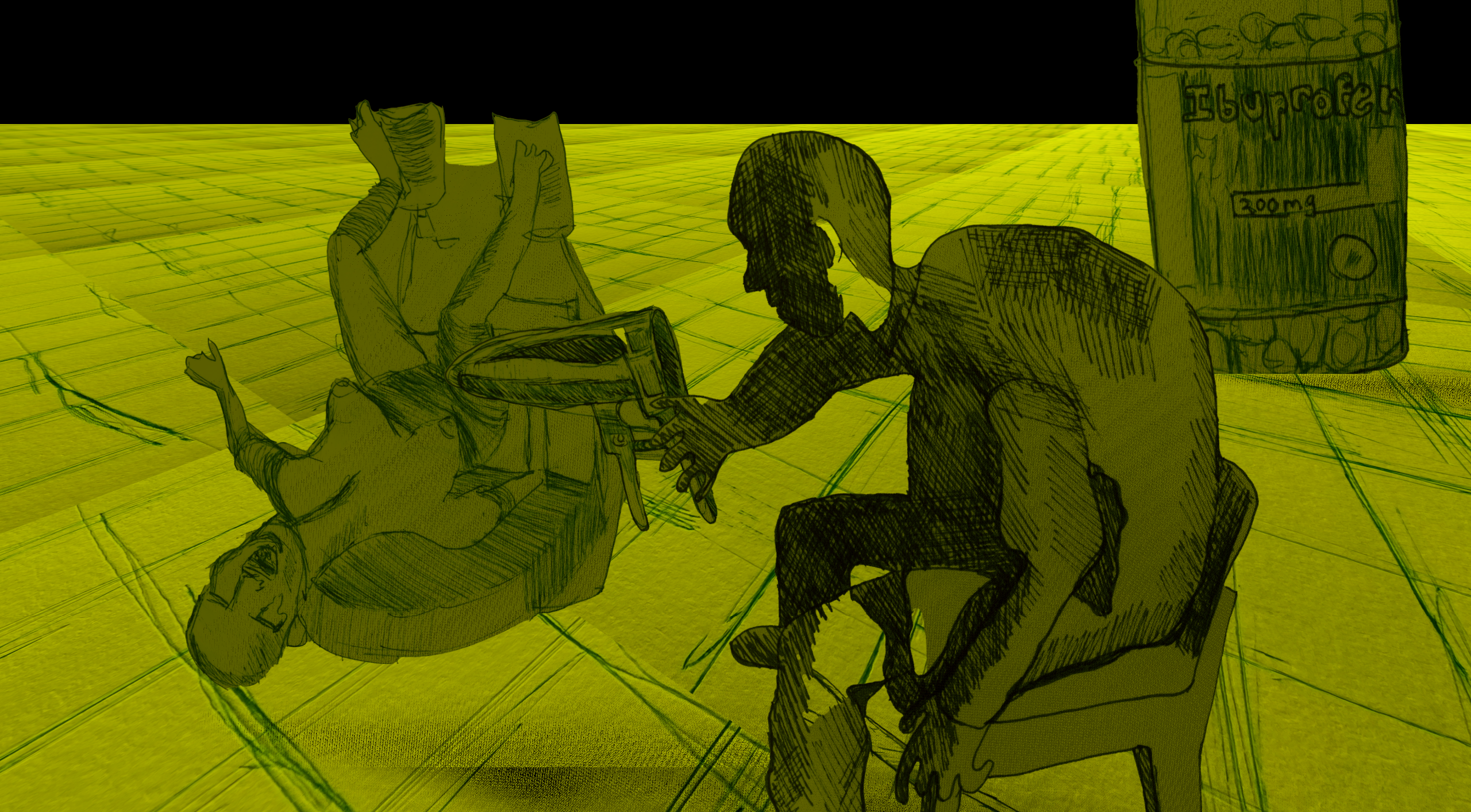
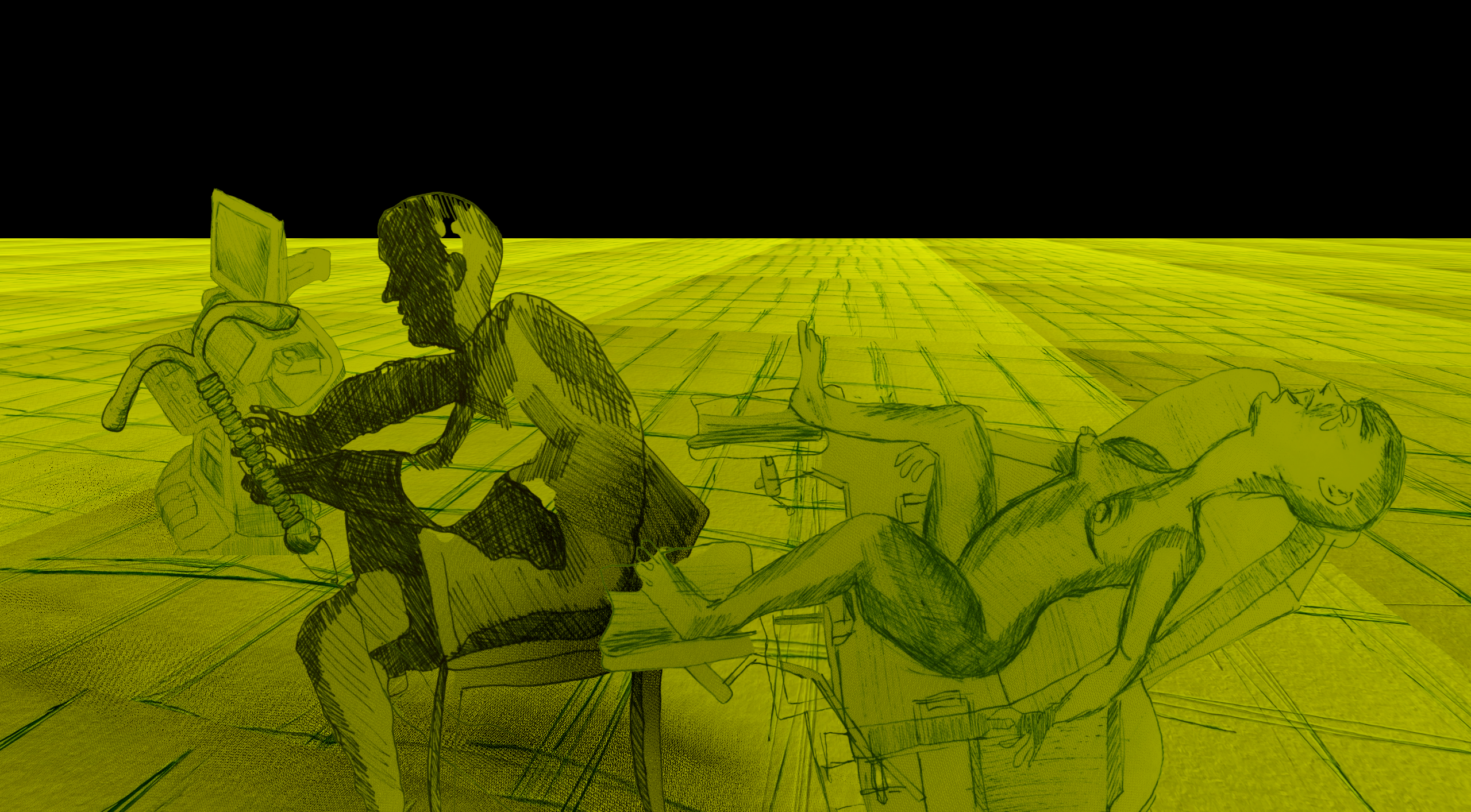
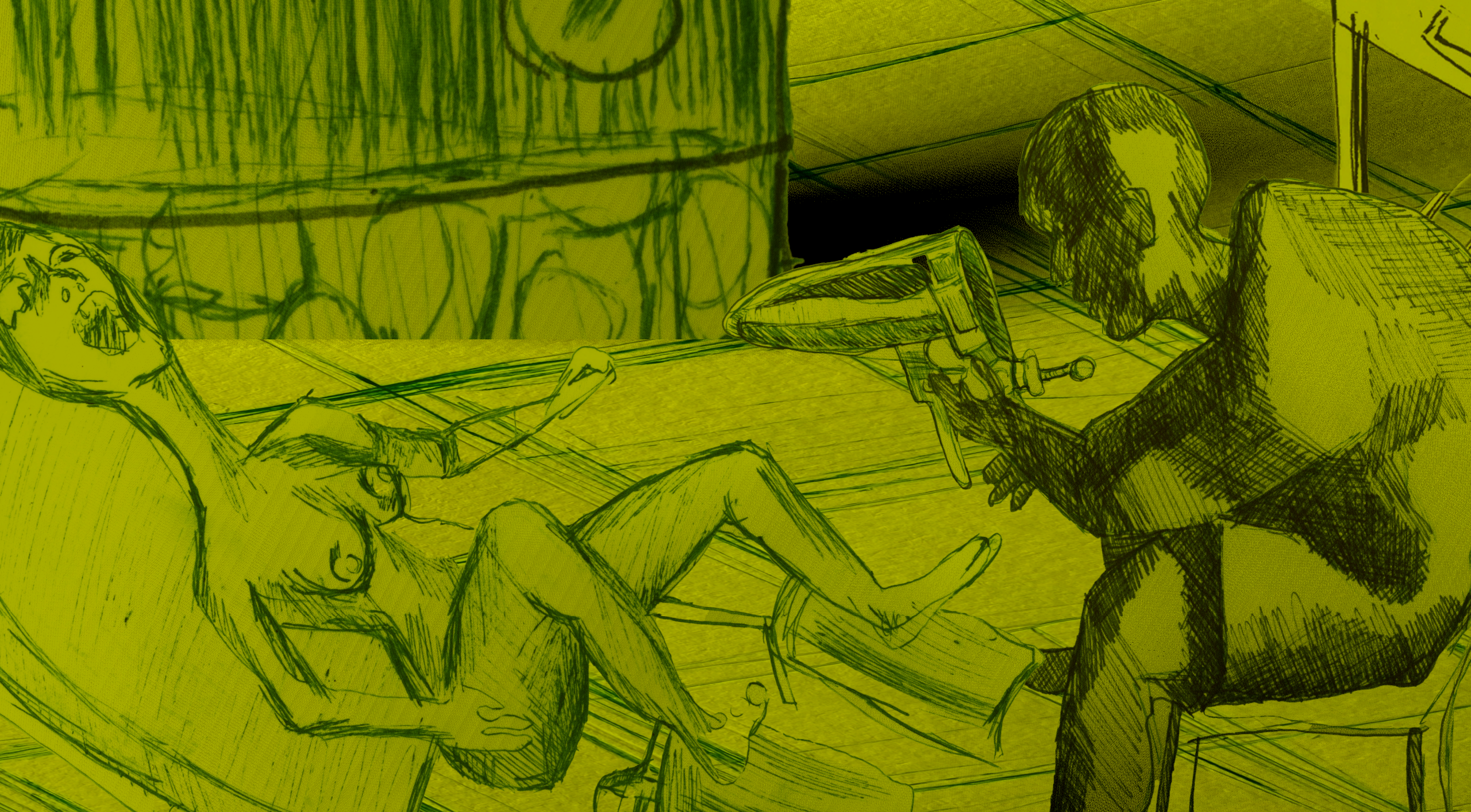
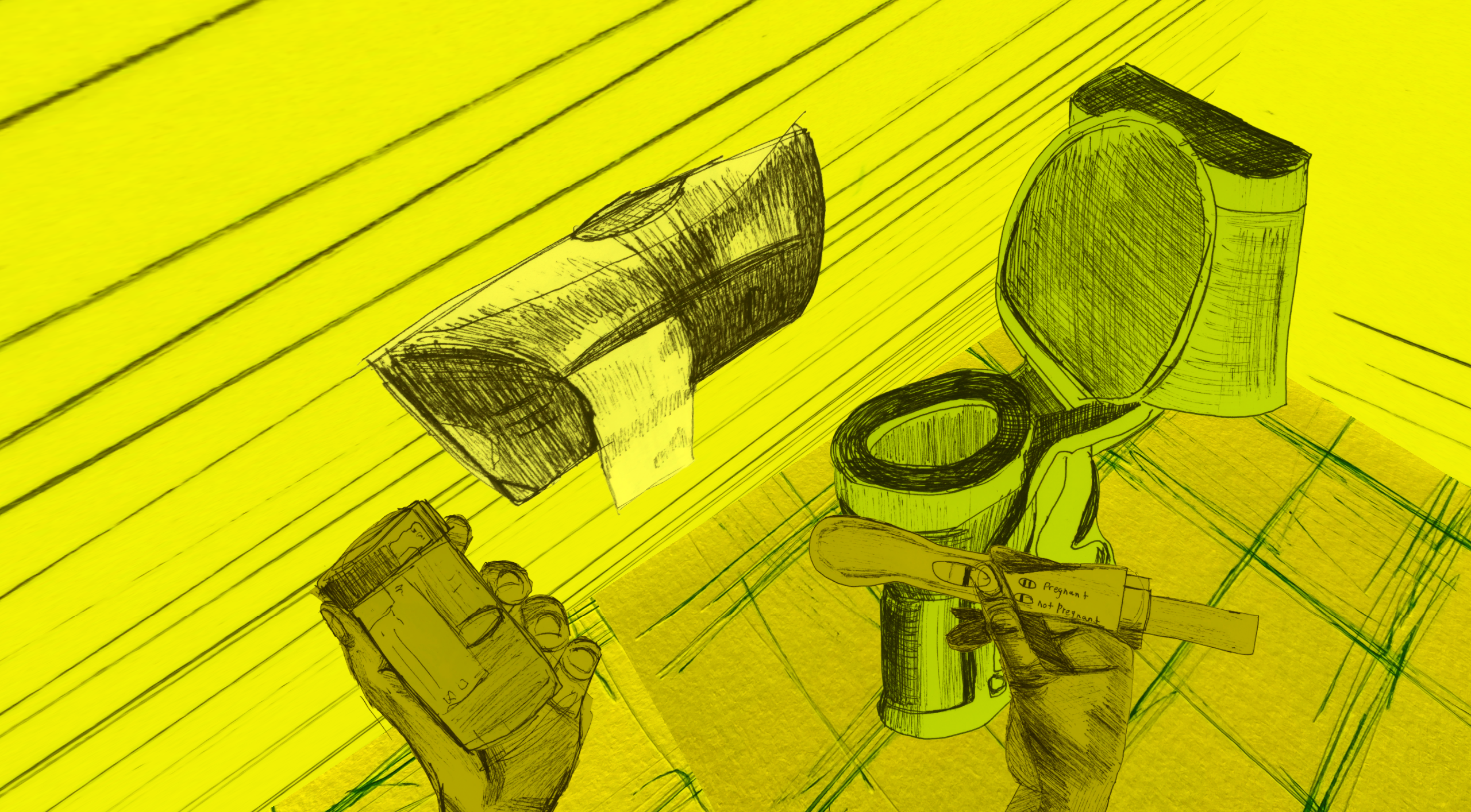
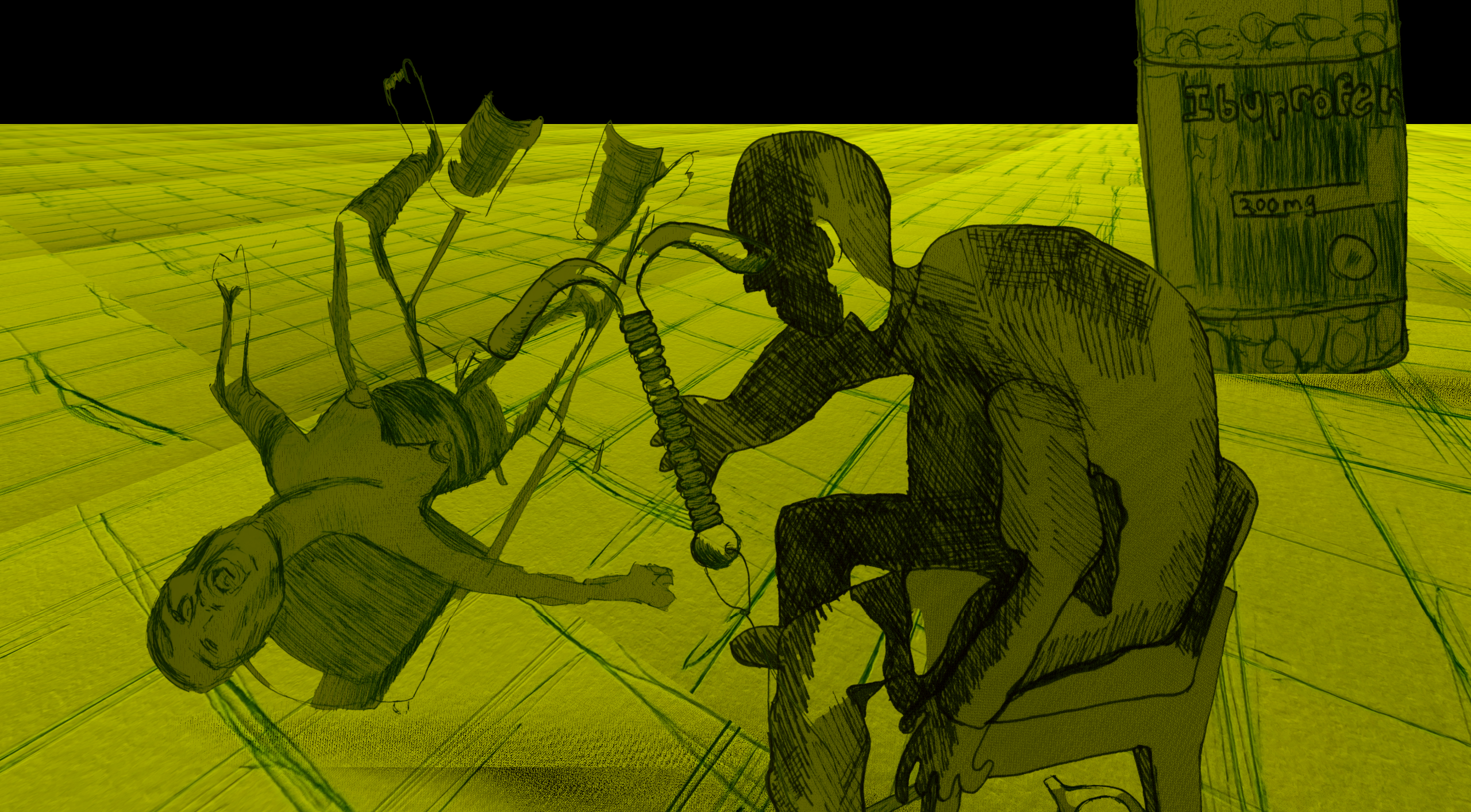
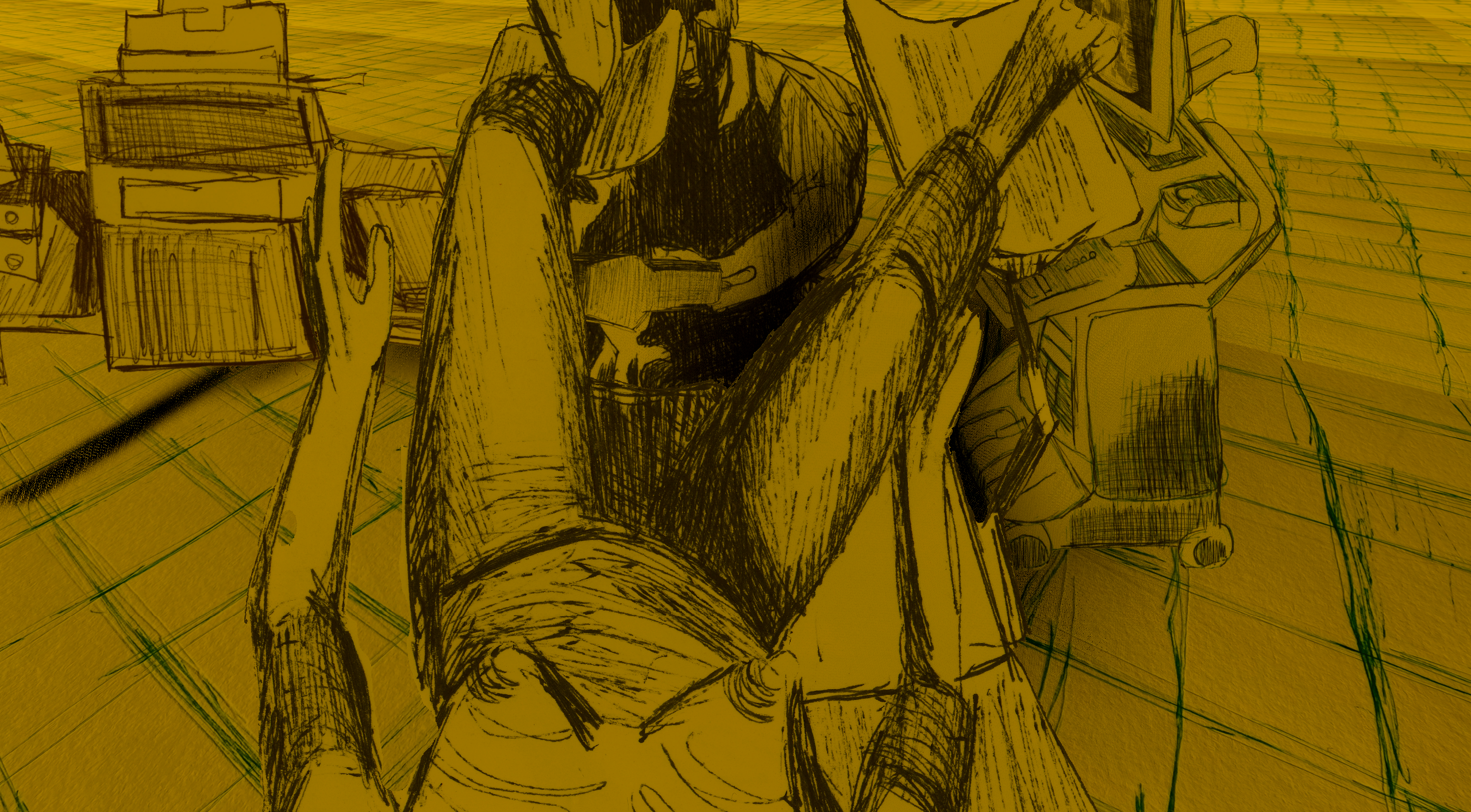
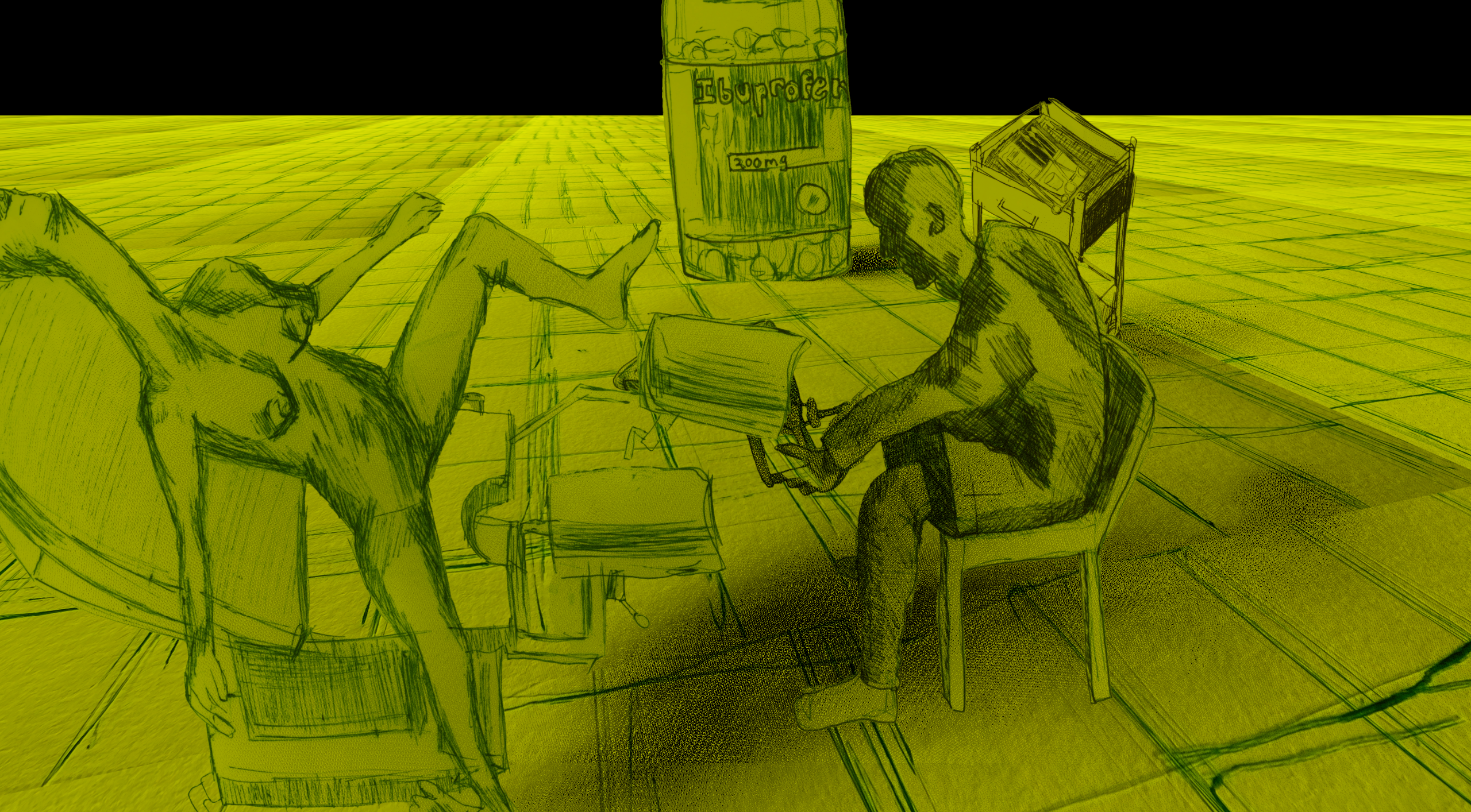
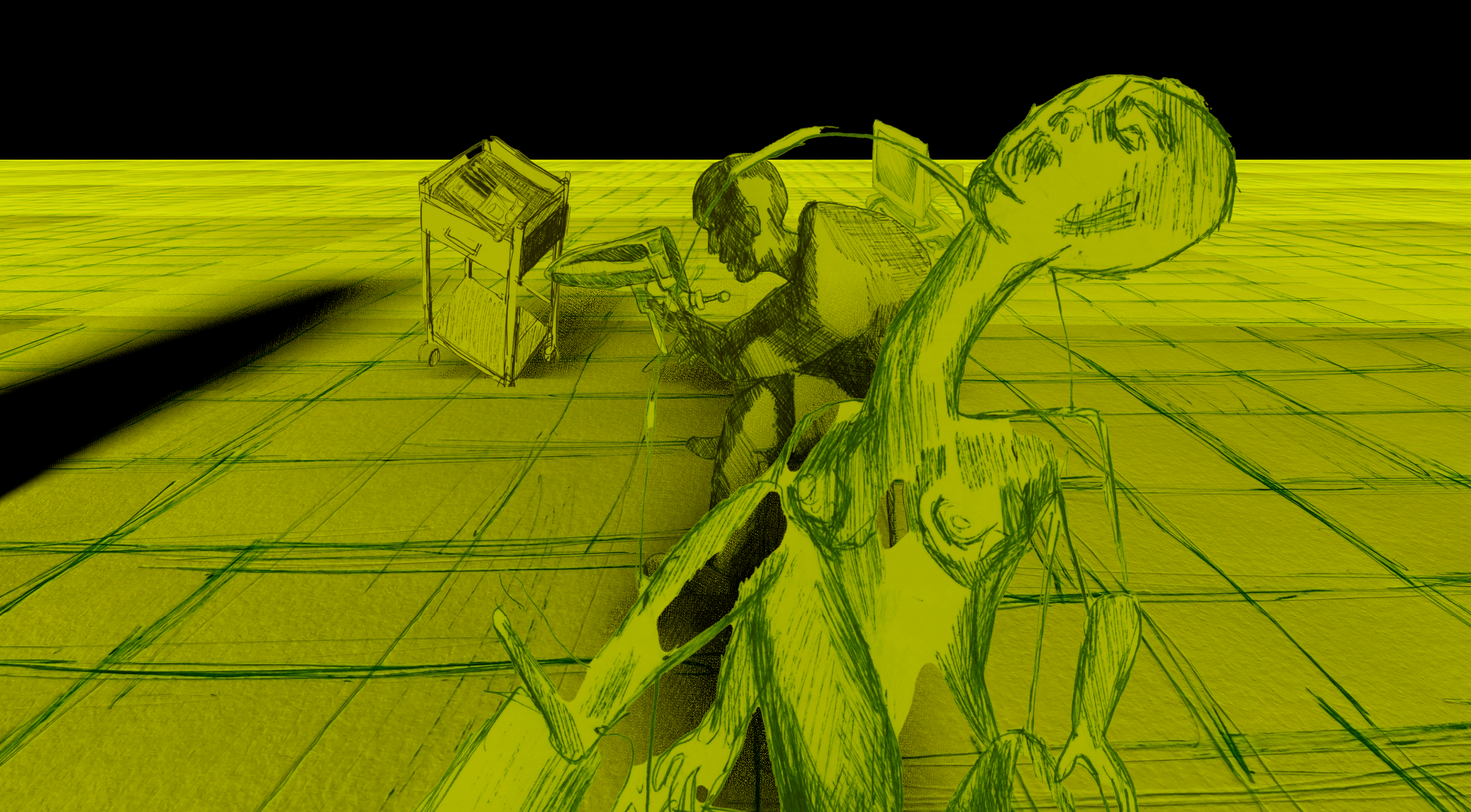
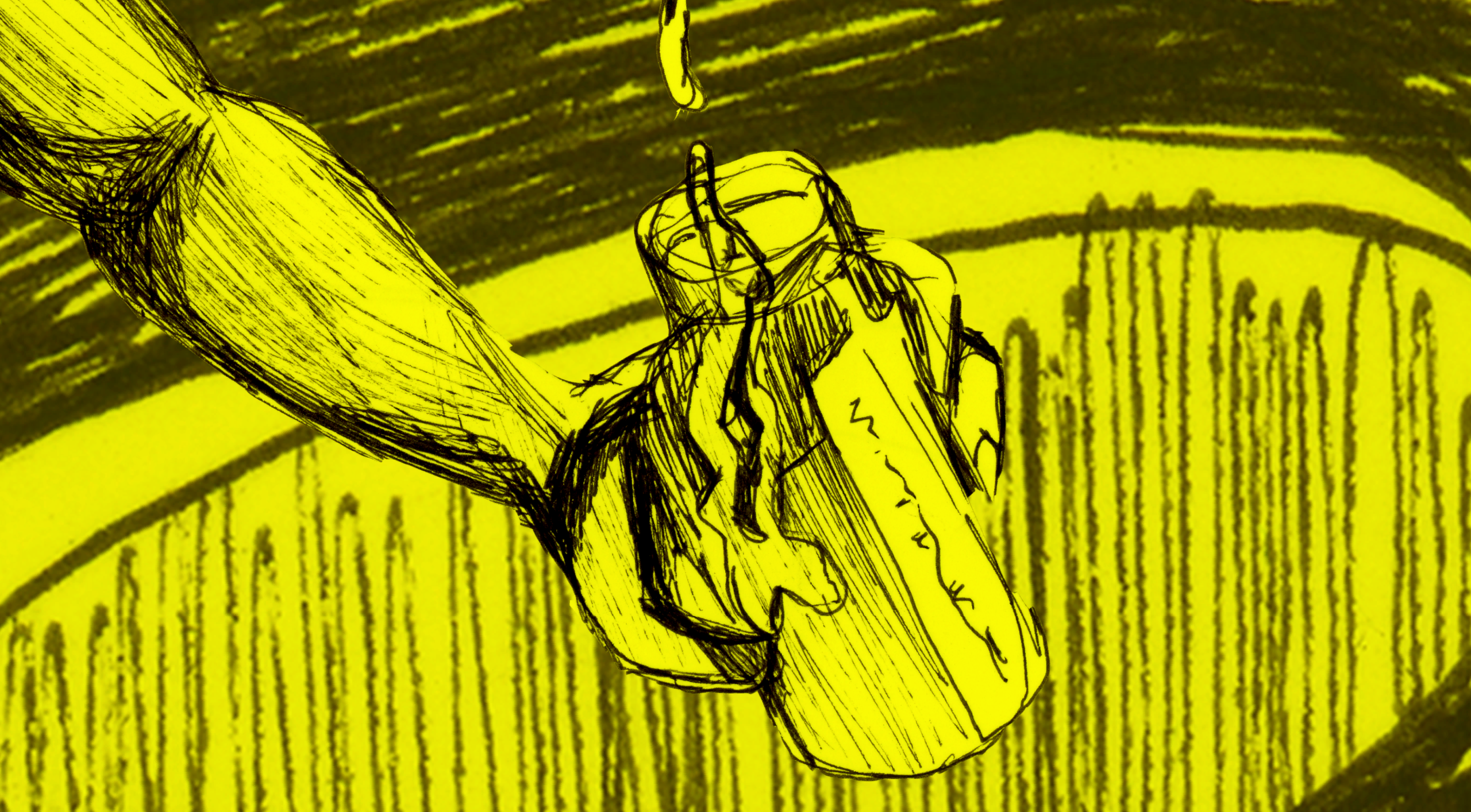
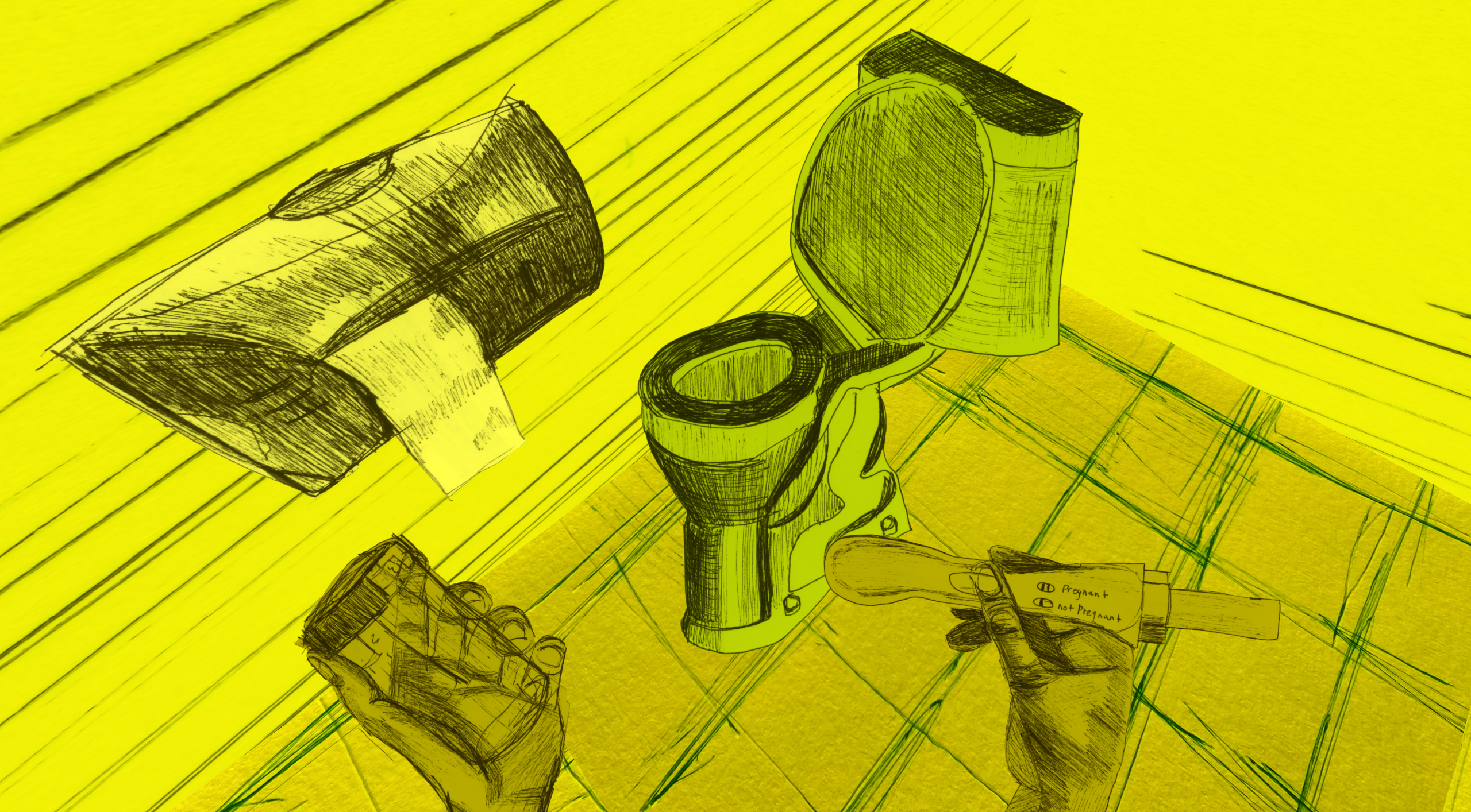
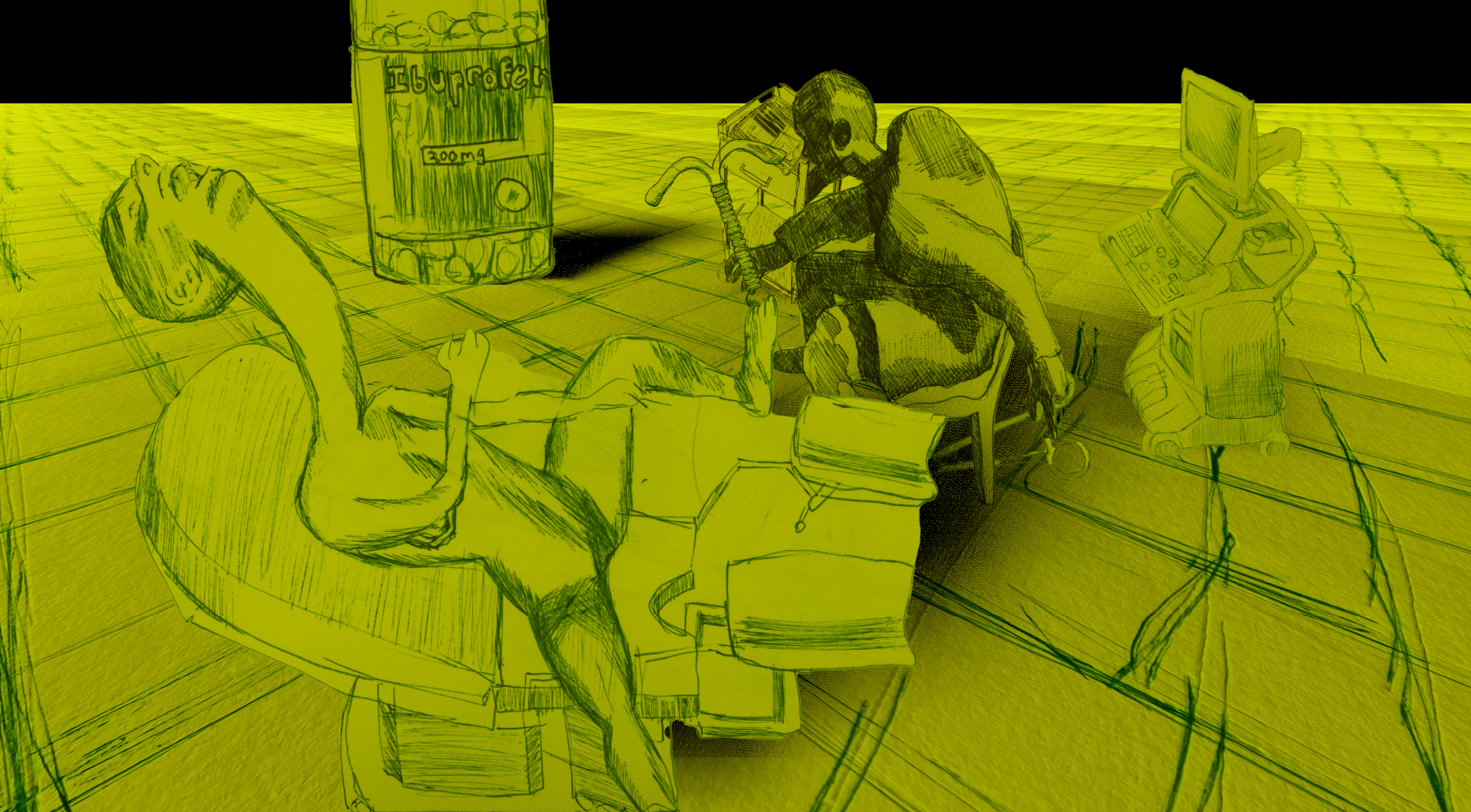
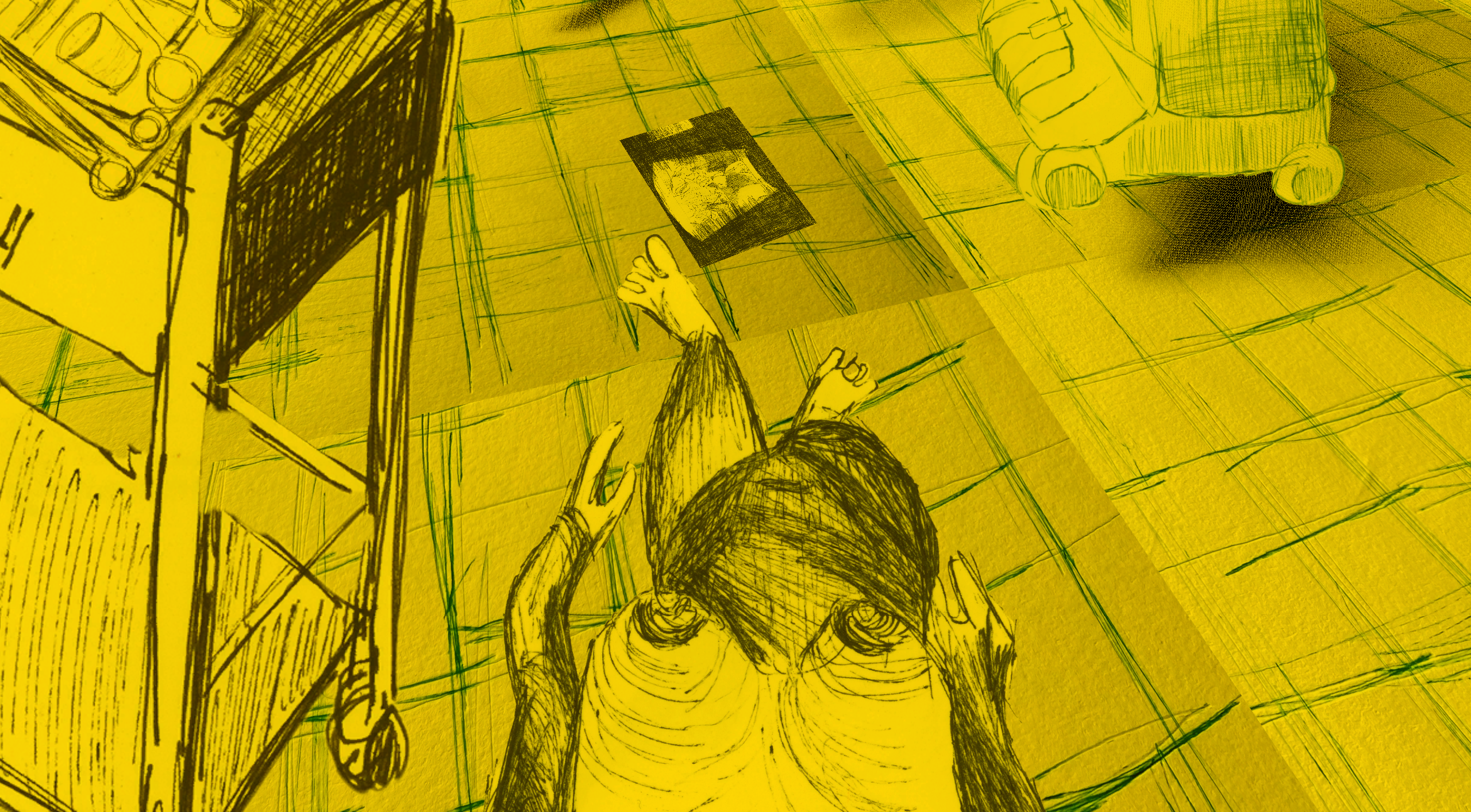
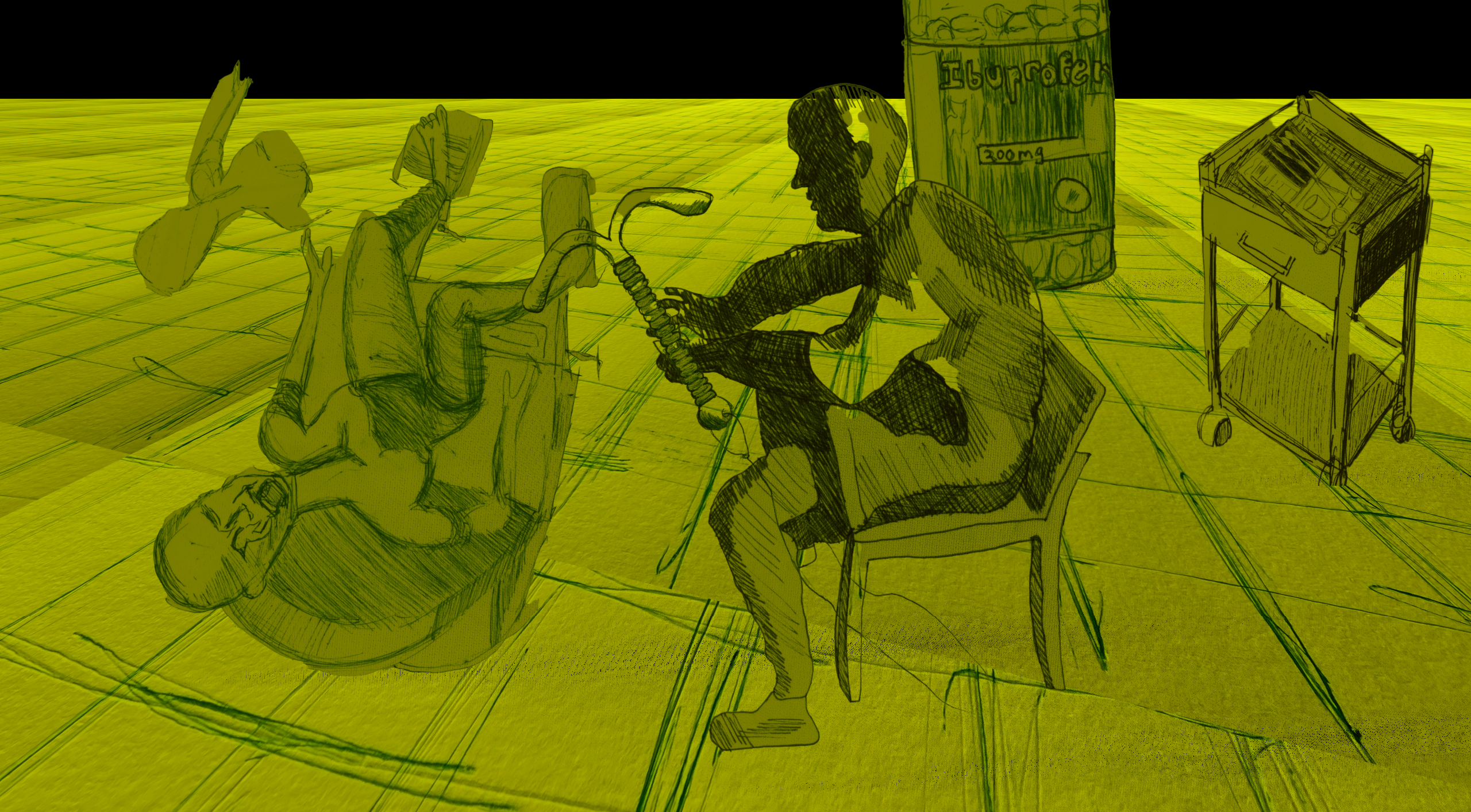
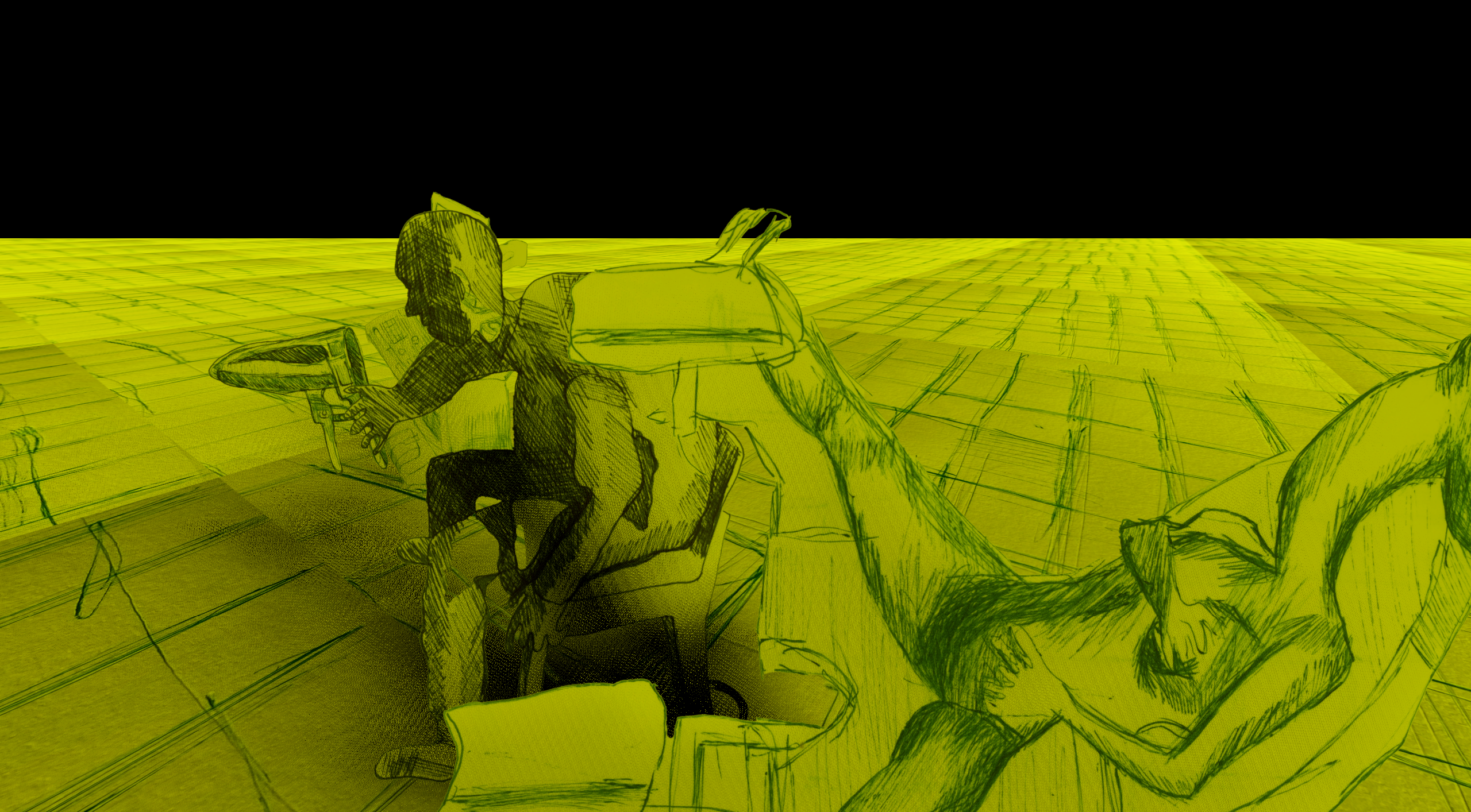
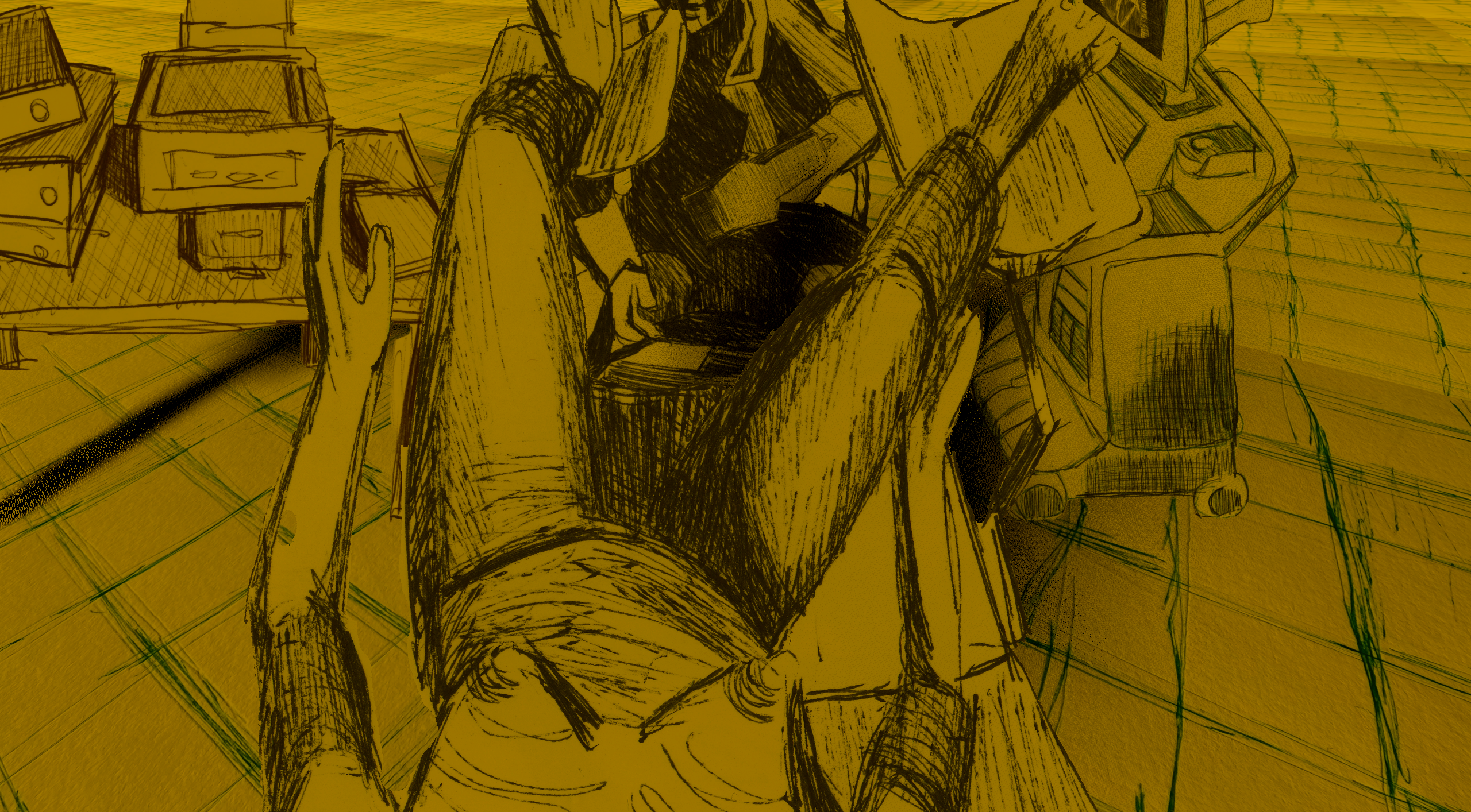
At the end of the hall is a bathroom. You are asked for a urine sample and a pregnancy test. You squat over the toilet and piss into the cup and onto the strip. As you wait, two faint lines rise like ghosts. Returning the tests to the table, your first-person perspective loosens from you. The camera drifts. Suddenly you are watching yourself from outside your body, caught in a third-person spell, as the doctor inserts an IUD. Tears gather and spill down your own face while, in the background, an enormous bottle of Advil hovers like a monument. There are no walls now, only endless space.

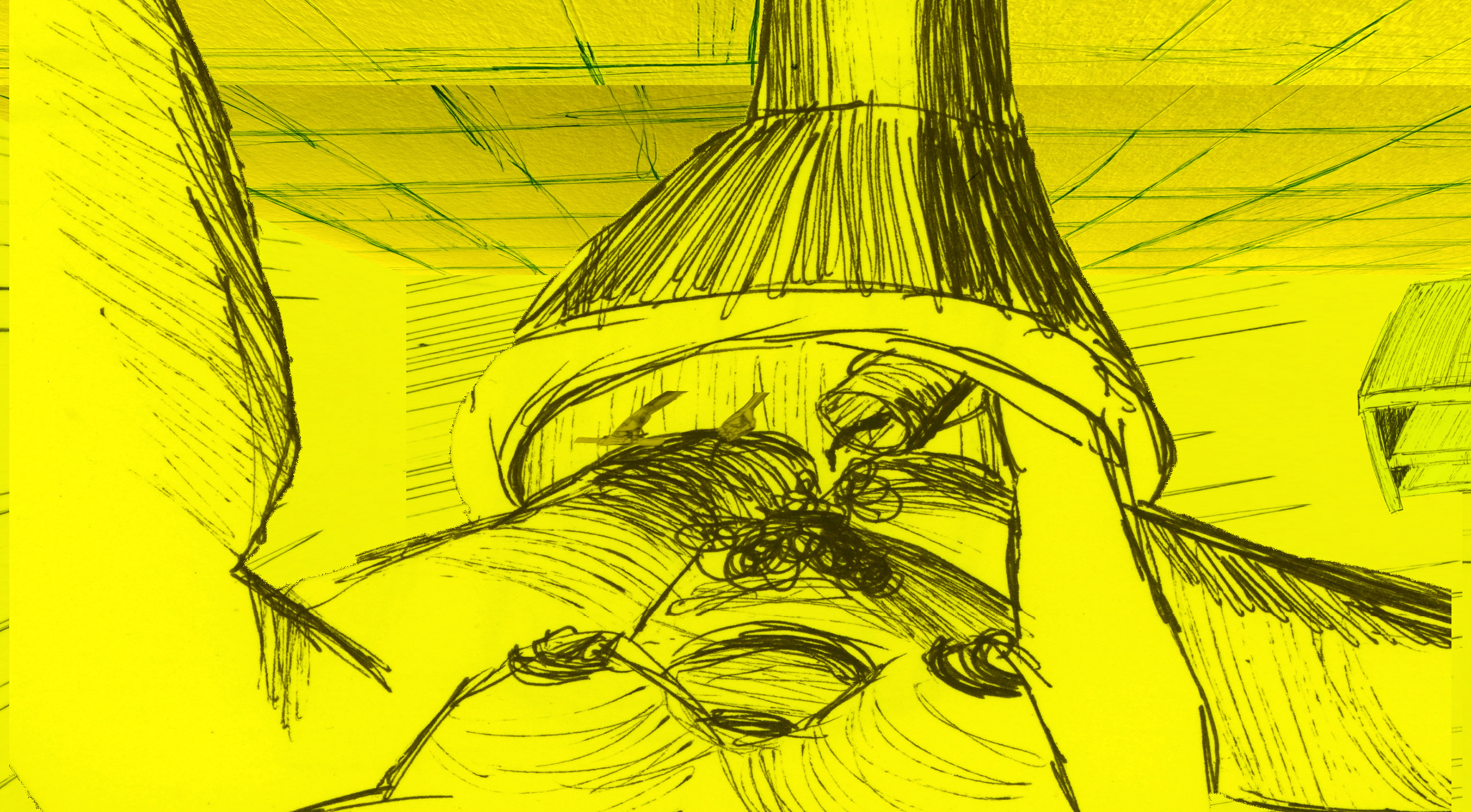
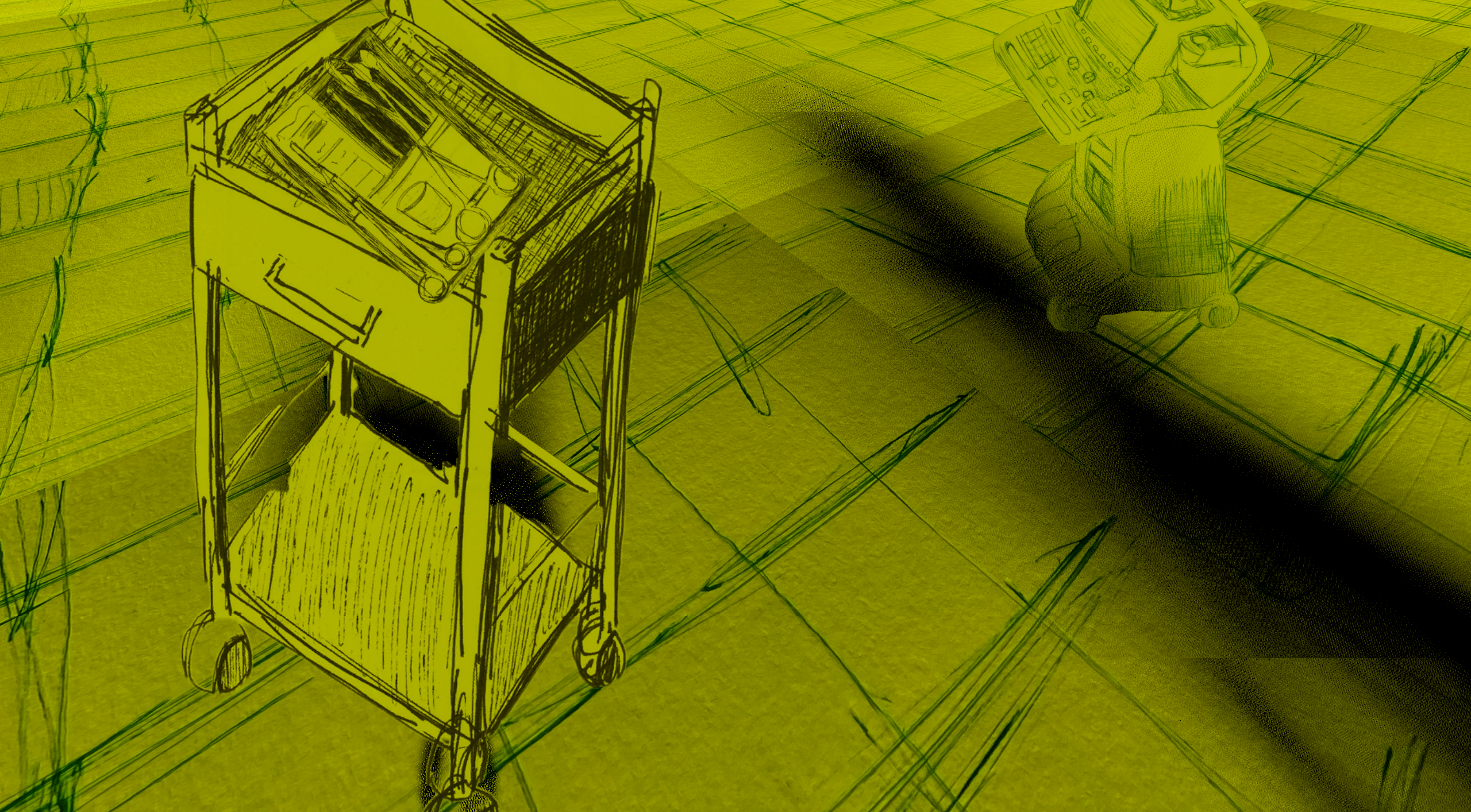
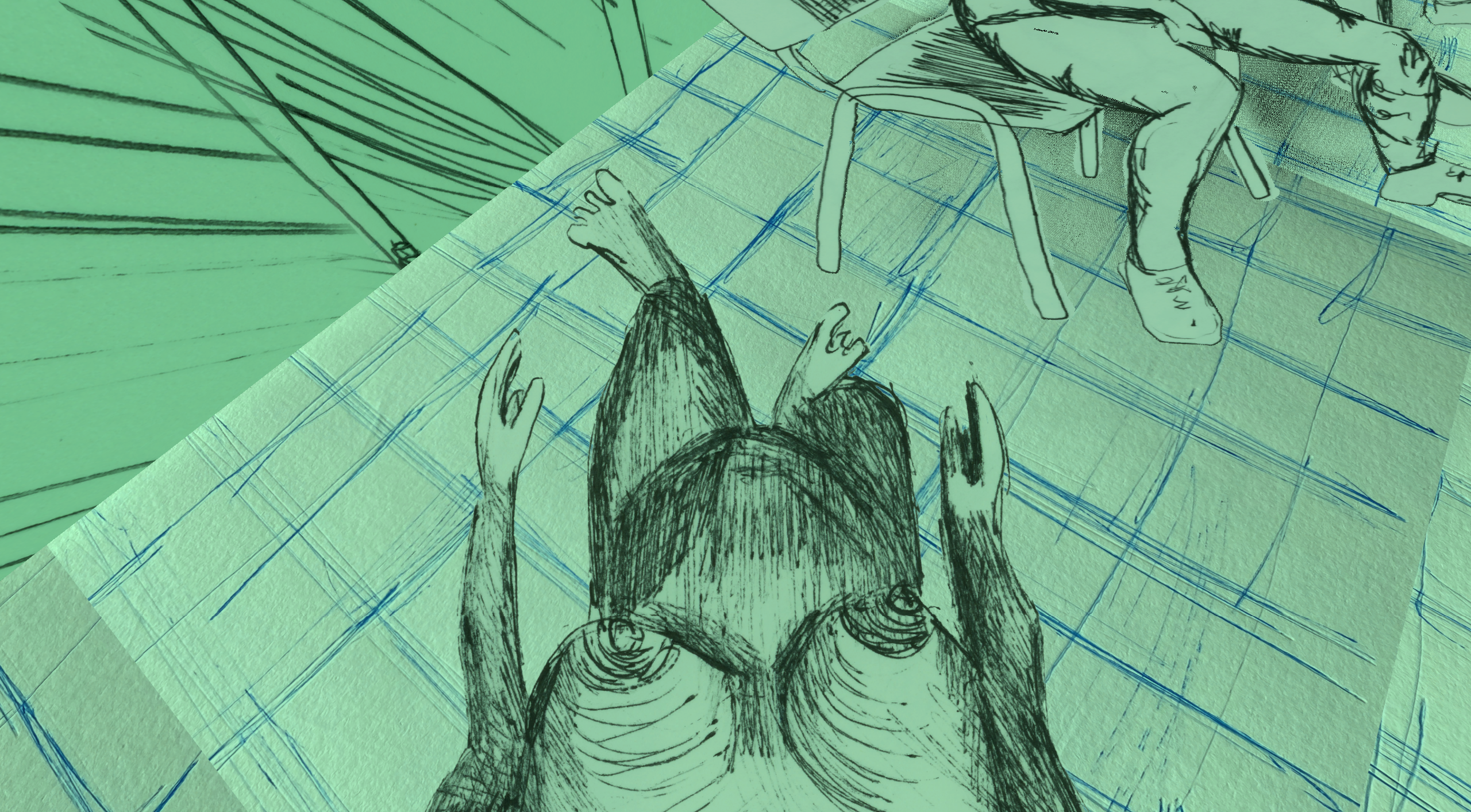
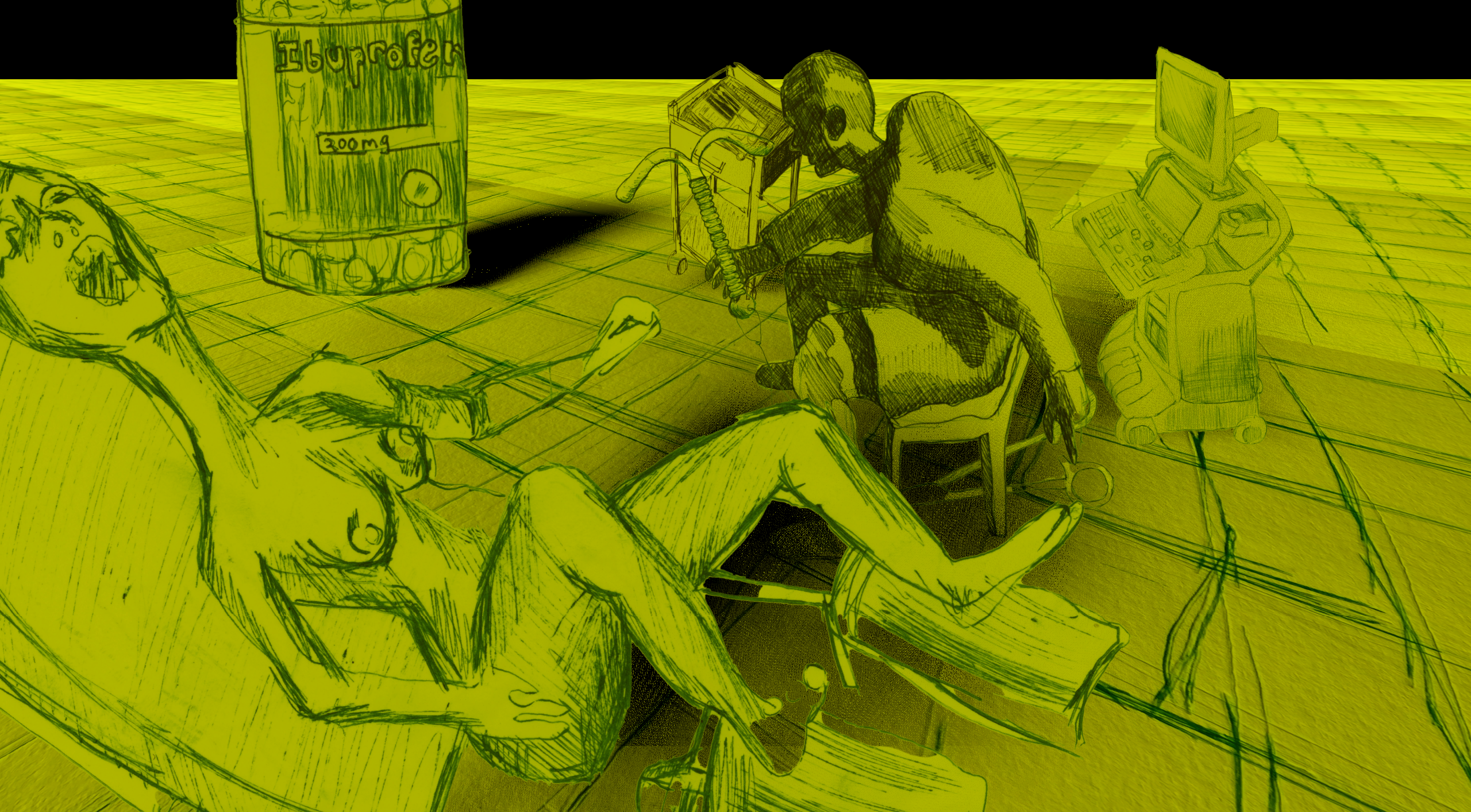
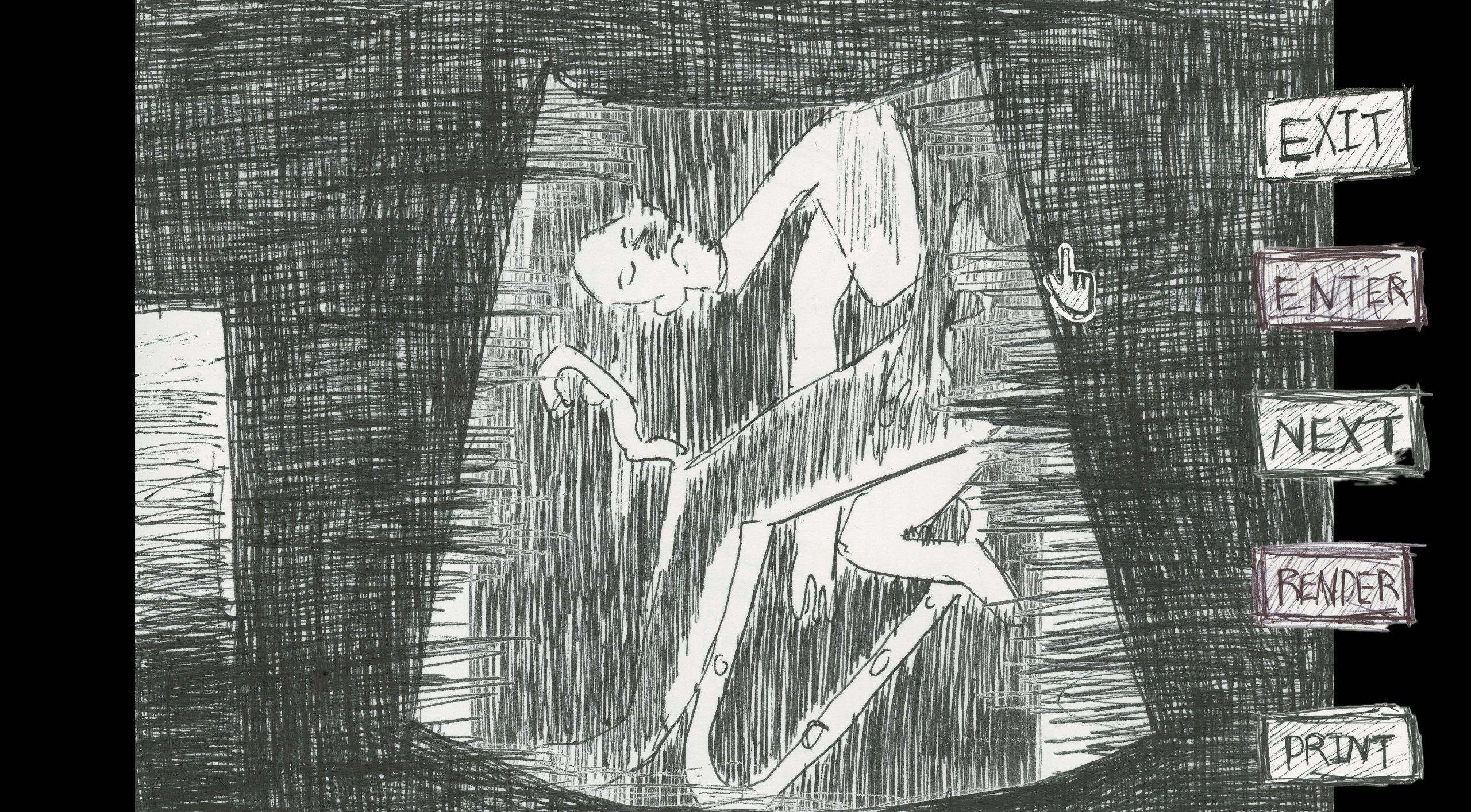
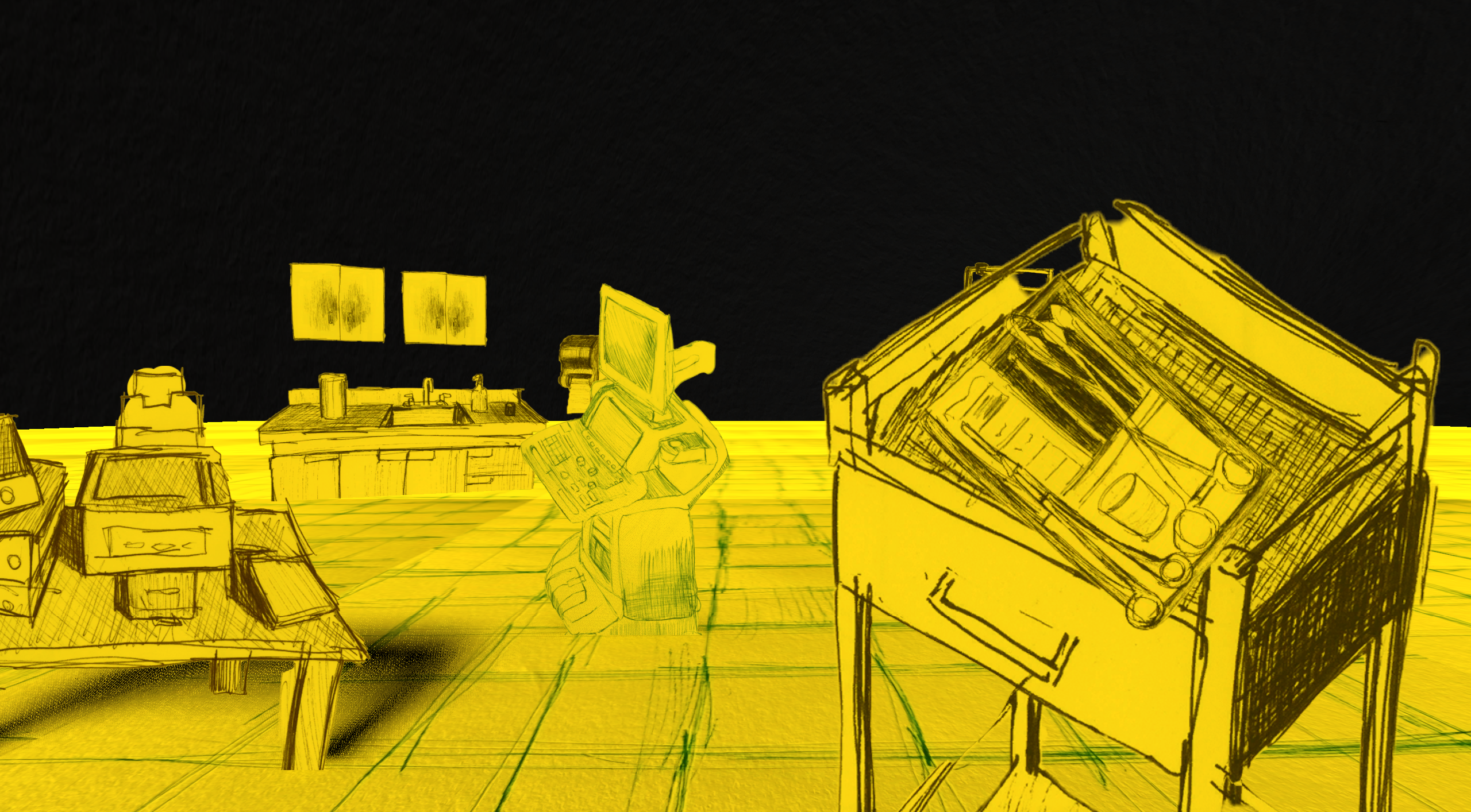
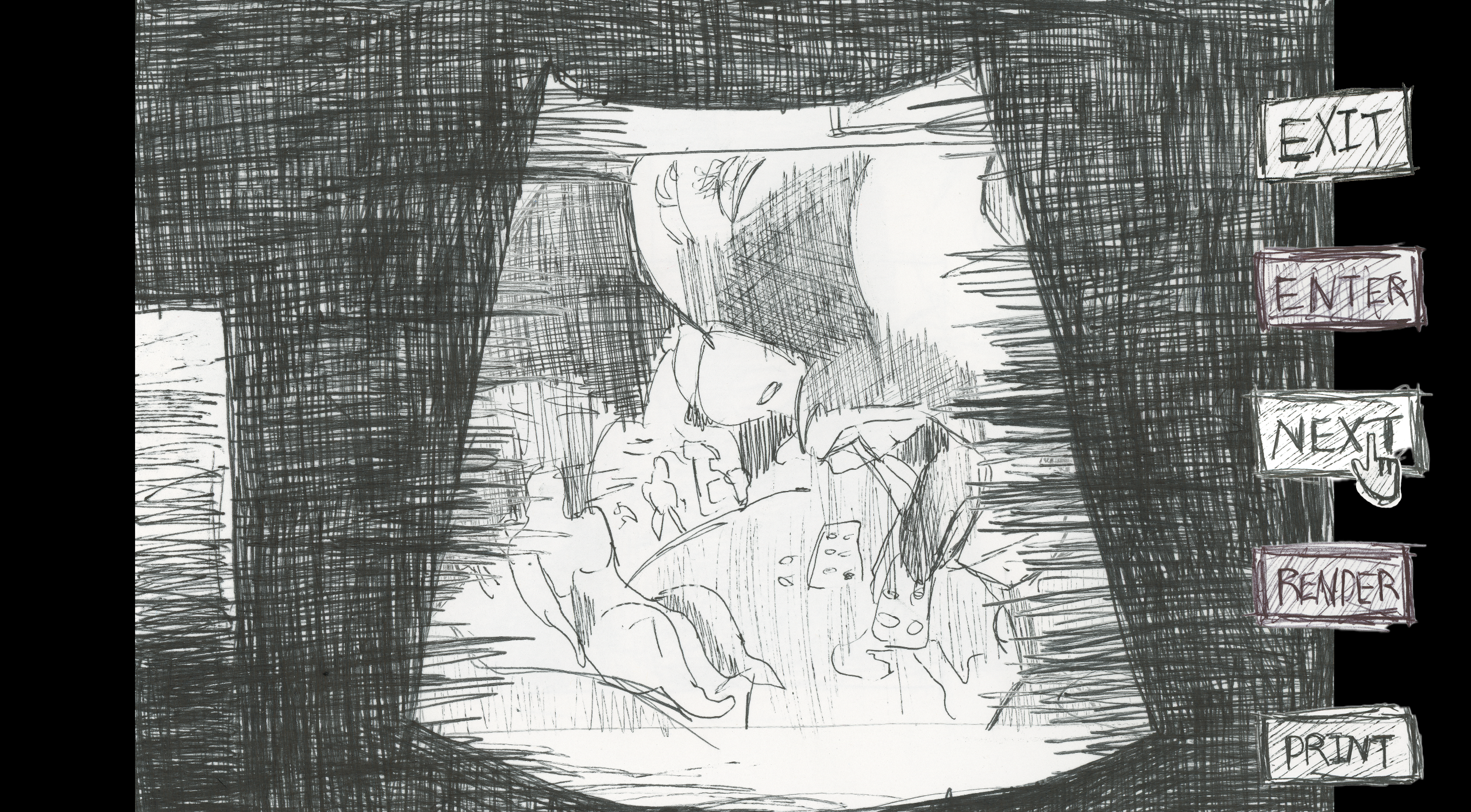
Then the ultrasound machine calls you closer. You slip back into first person as the doctor presses the probe inside you, searching for an image, translating your body into signal. When he leaves, the room is empty, and the machine is yours. You can print the scans. You can render them. Each rendering blooms into a hyperreal painting, slick and luminous, carrying the eerie seduction of anti-abortion propaganda posters, images that pretend to be truth while rehearsing ideology.

But the image offers a passage. When you press the button marked enter on the scan of two ovaries, the world opens. You are pulled out of the monochromatic ballpoint pen clinic and into the interior itself. Inside, the body is no longer flat, clinical, or silent. It is full of saturated color, wet textures, strange acoustics, and living atmosphere. The space pulses. It listens back. It is more lush than the world that framed it, more magical than the machine that tried to contain it. As interior sounds gather around you, you are carried into the next world.